The Empty Battery Bedtime
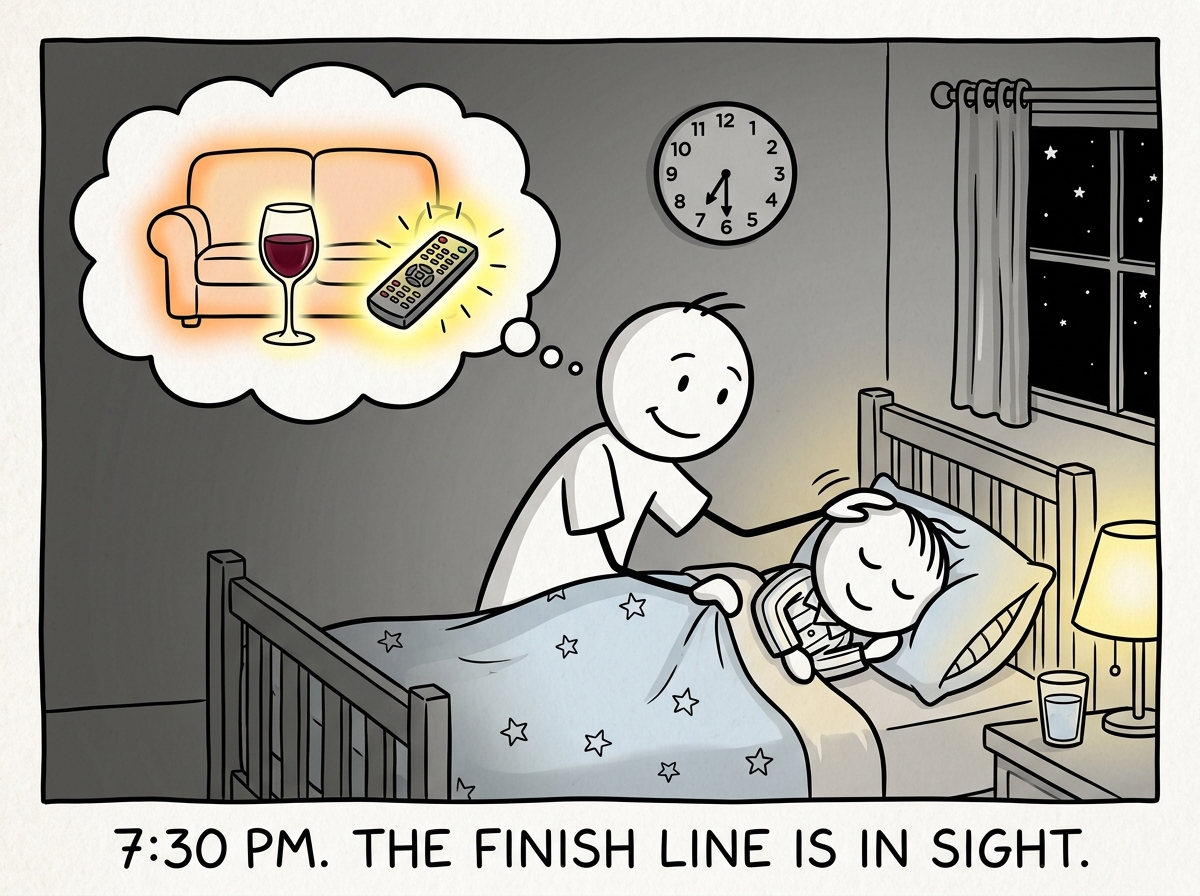
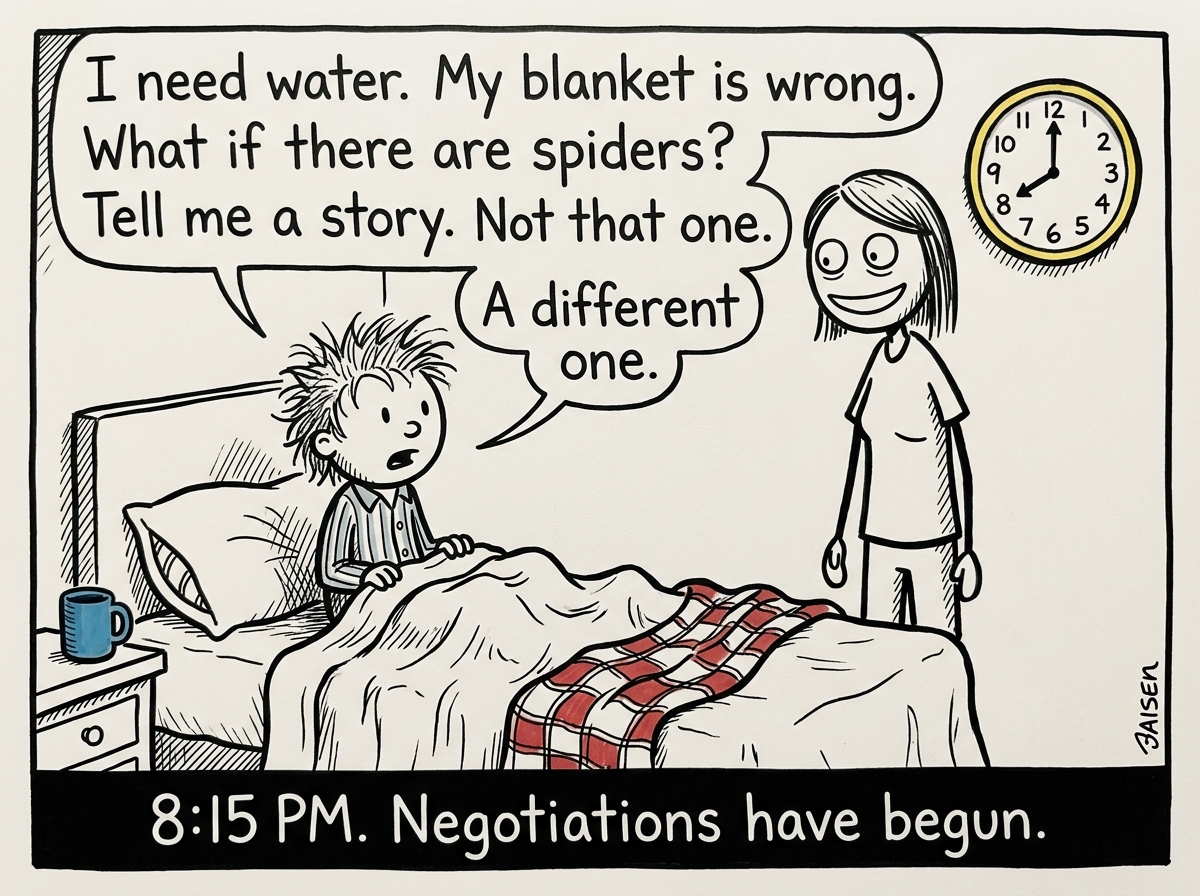
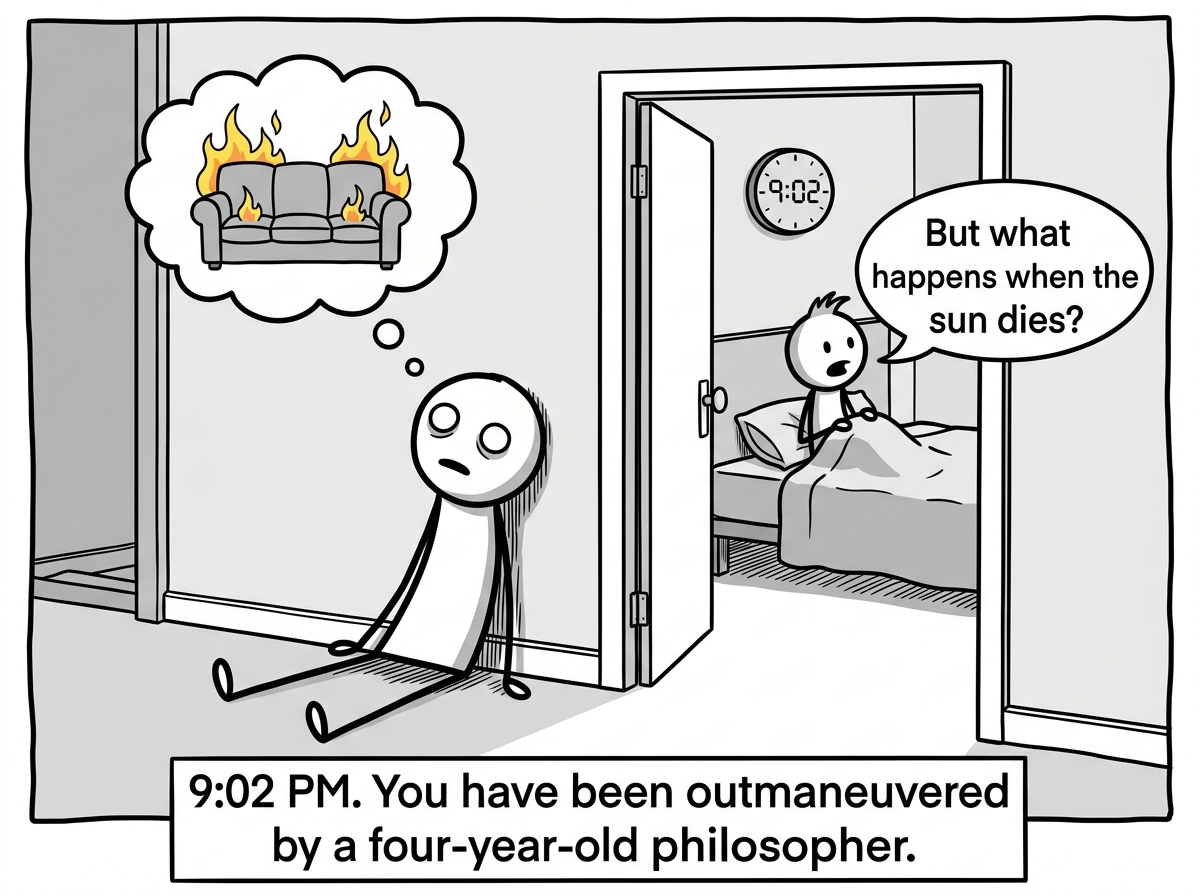
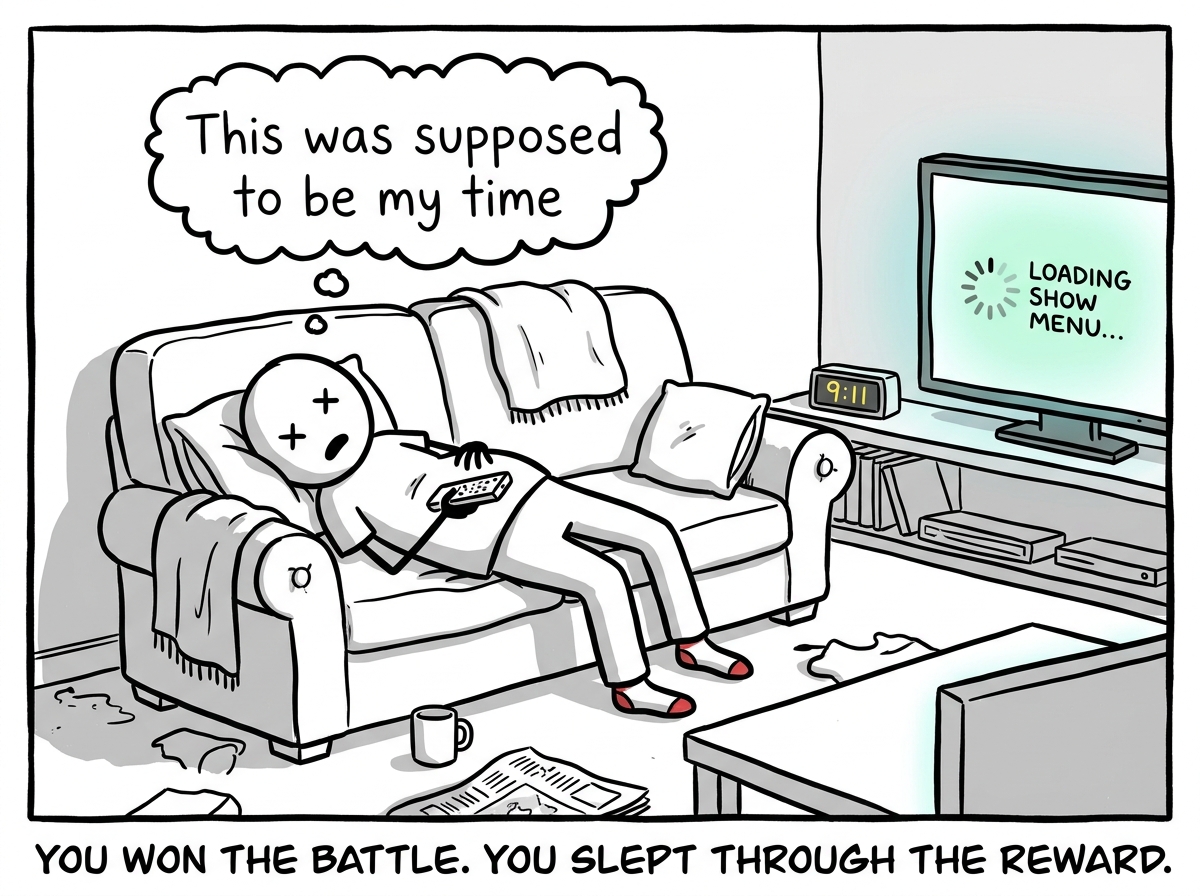
When the bedtime routine becomes a nightly hostage negotiation and you realize you have been running on fumes since 7 AM.
Explanation
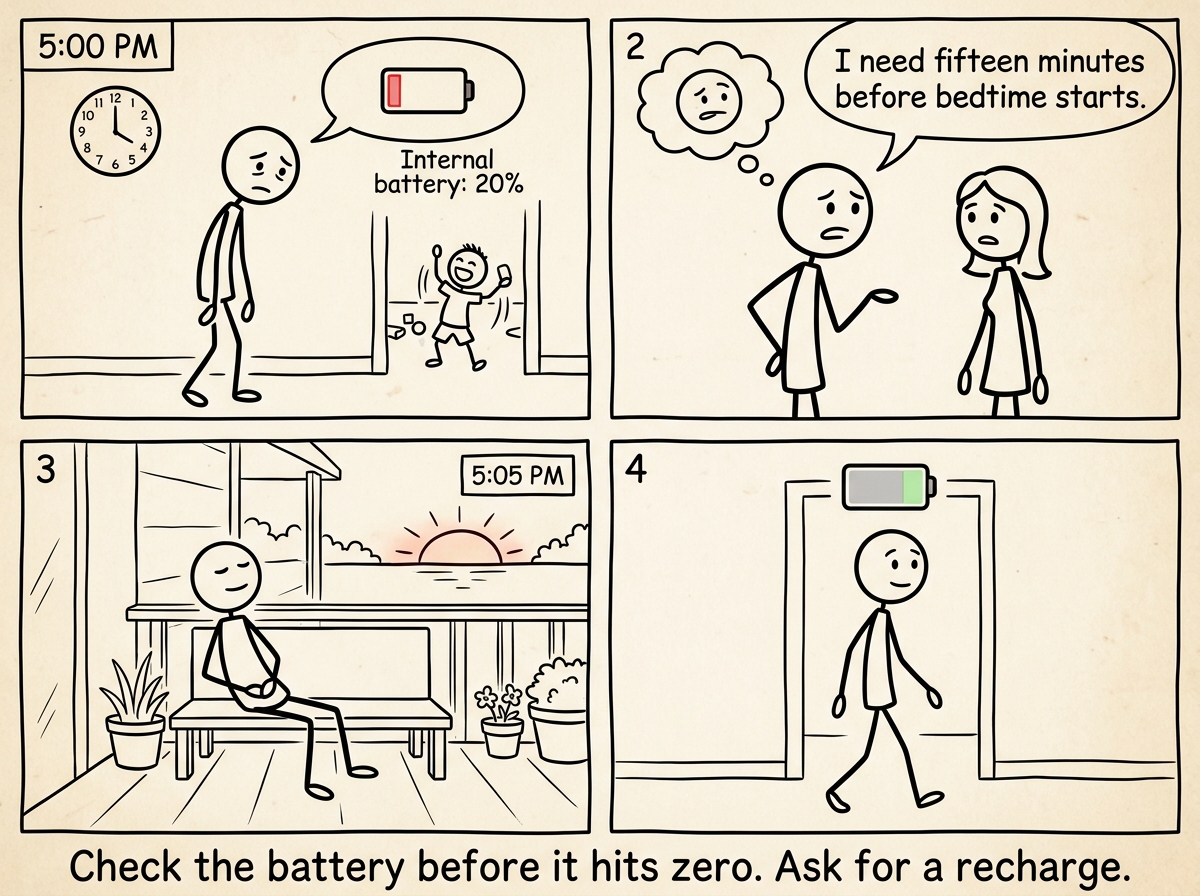
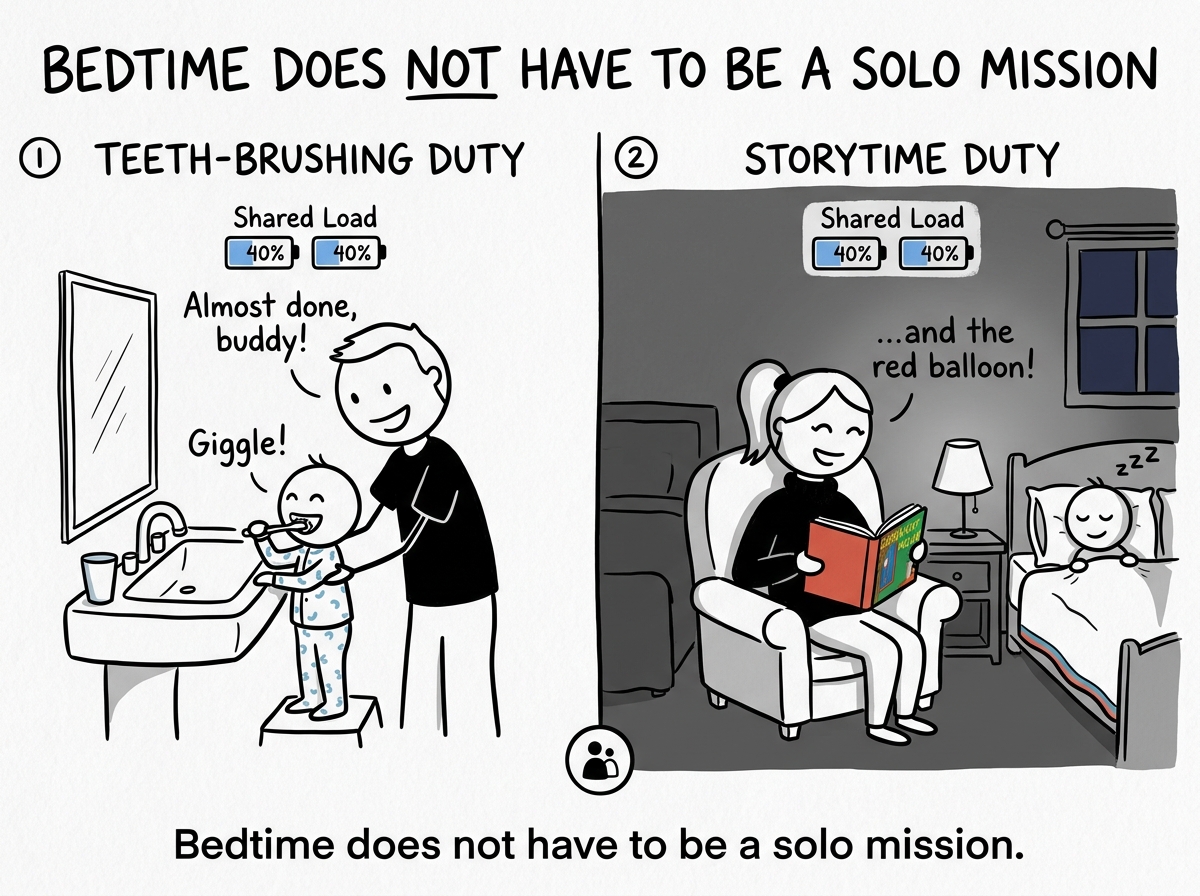
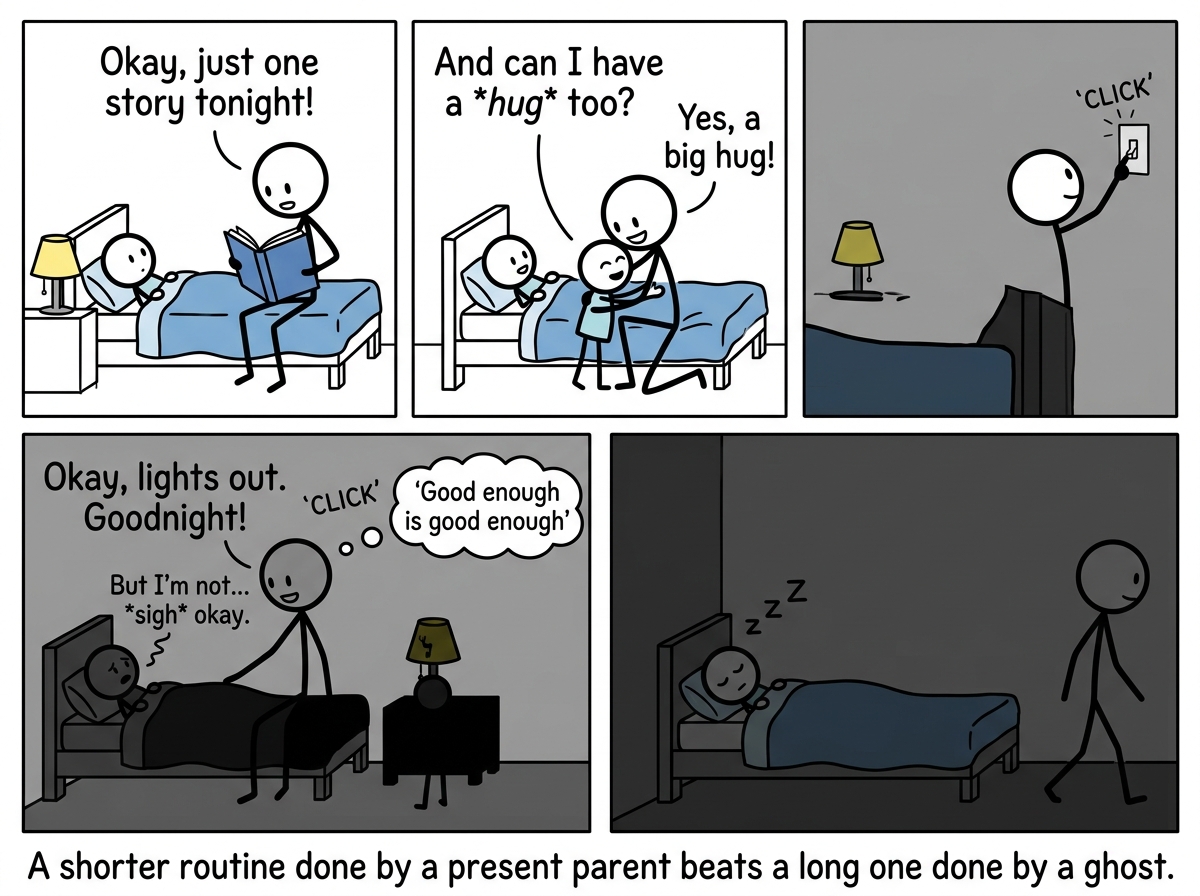
It is 8:17 PM. Bedtime was supposed to start at 7:30. There have been three requests for water, two bathroom trips, one lost stuffed animal, a philosophical debate about why the dark is scary, and a sudden urgent need to discuss what happens when you die. You are standing in the hallway between your child's room and the couch, and the couch is winning. You are so tired that your patience is not thin — it does not exist anymore. The next 'one more thing' might break you. Parental burnout does not usually arrive as a single catastrophic event. It accumulates in the bedtime routines, the morning rushes, the meal negotiations, and the homework battles — the relentless micro-demands that individually seem manageable but collectively drain you to nothing. Researchers Roskam and Mikolajczak found that the strongest predictor of parental burnout is not the severity of any single stressor but the chronic imbalance between demands and resources. When you have been 'on' for fourteen straight hours with no break, the bedtime routine becomes the moment where everything collapses — not because it is uniquely hard, but because it is the last thing standing between you and the first moment of the day that belongs to you. Recovery from parental burnout requires structural change, not just willpower. It means asking for help, lowering standards, and recognizing that a 'good enough' bedtime where everyone survives is better than a Pinterest-perfect routine performed by a parent who is silently screaming inside.
Key Takeaway
Bedtime is not where your patience fails — it is where fourteen hours of unbroken demands finally catch up.