The Touched-Out Parent
When you love your children but your body physically recoils from one more tiny hand pulling at you.
Explanation
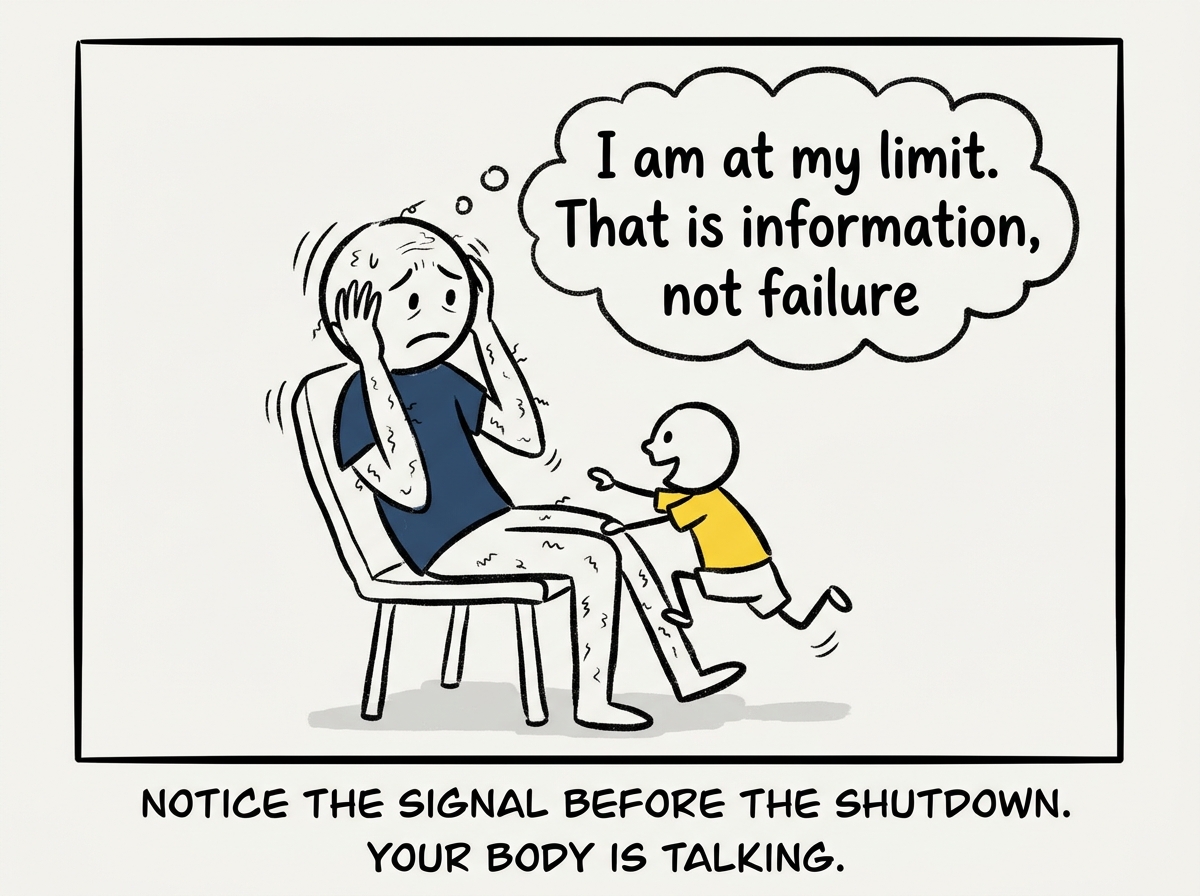
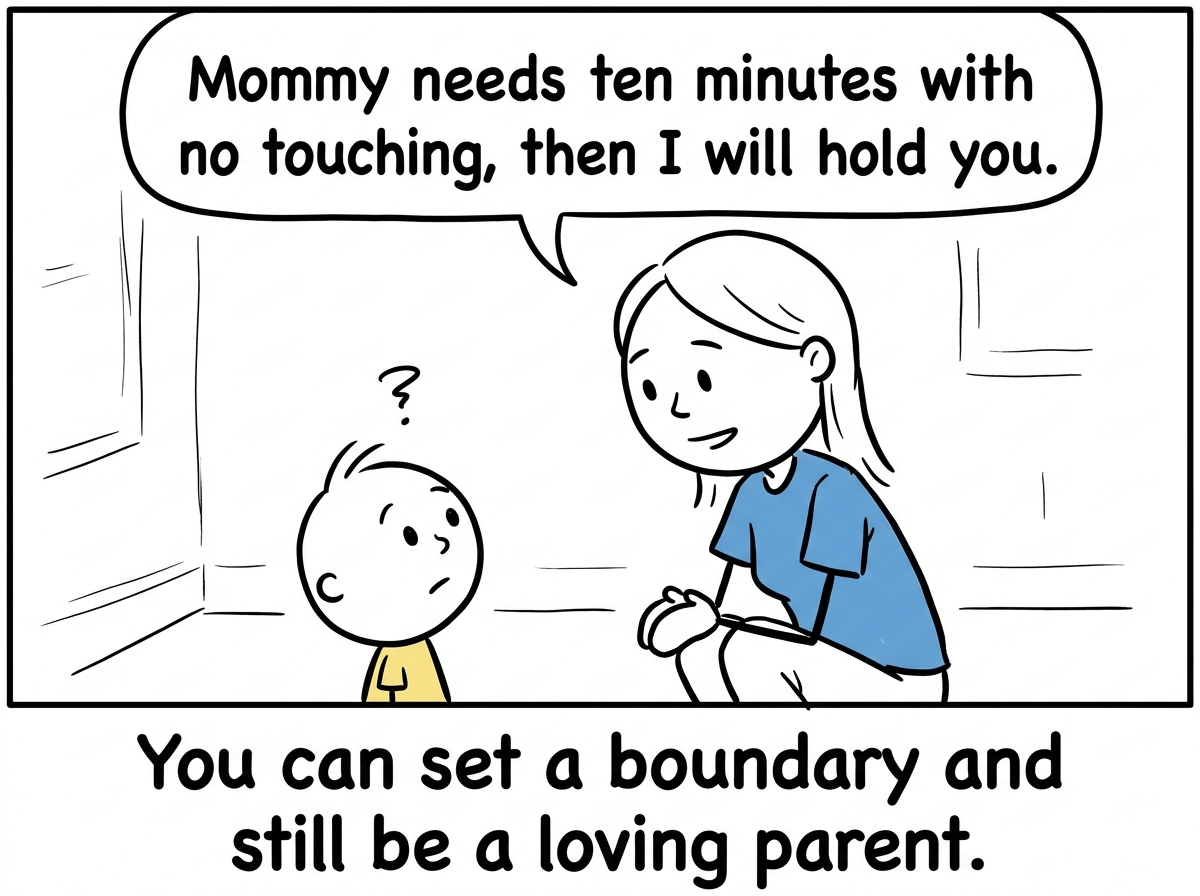
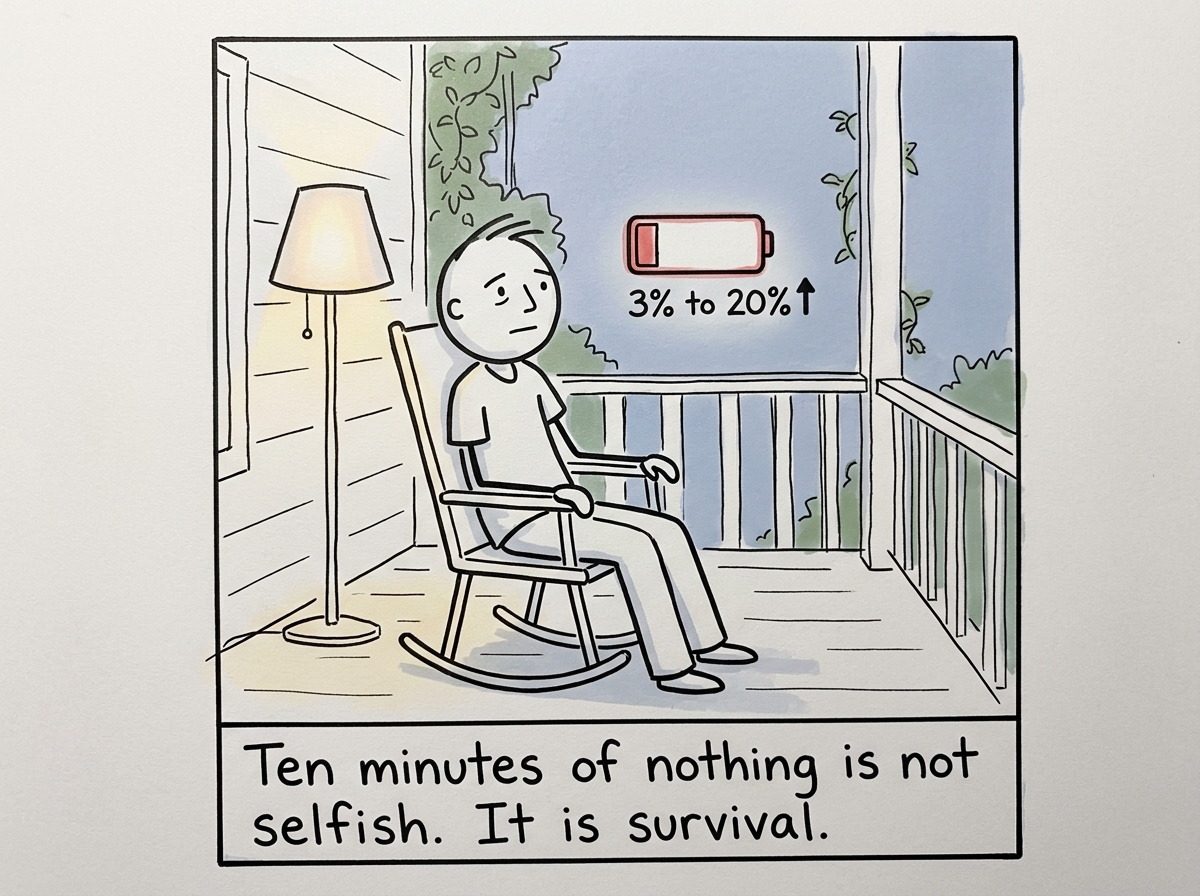
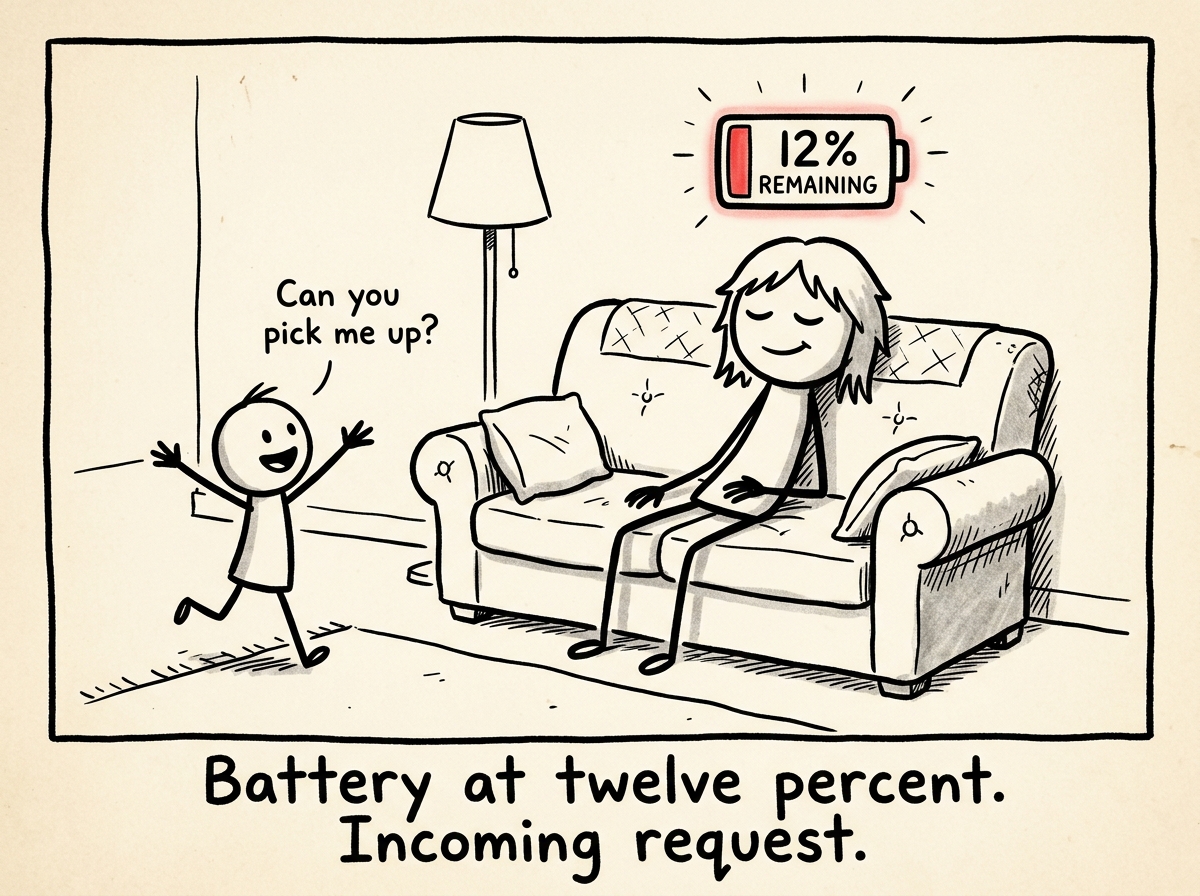
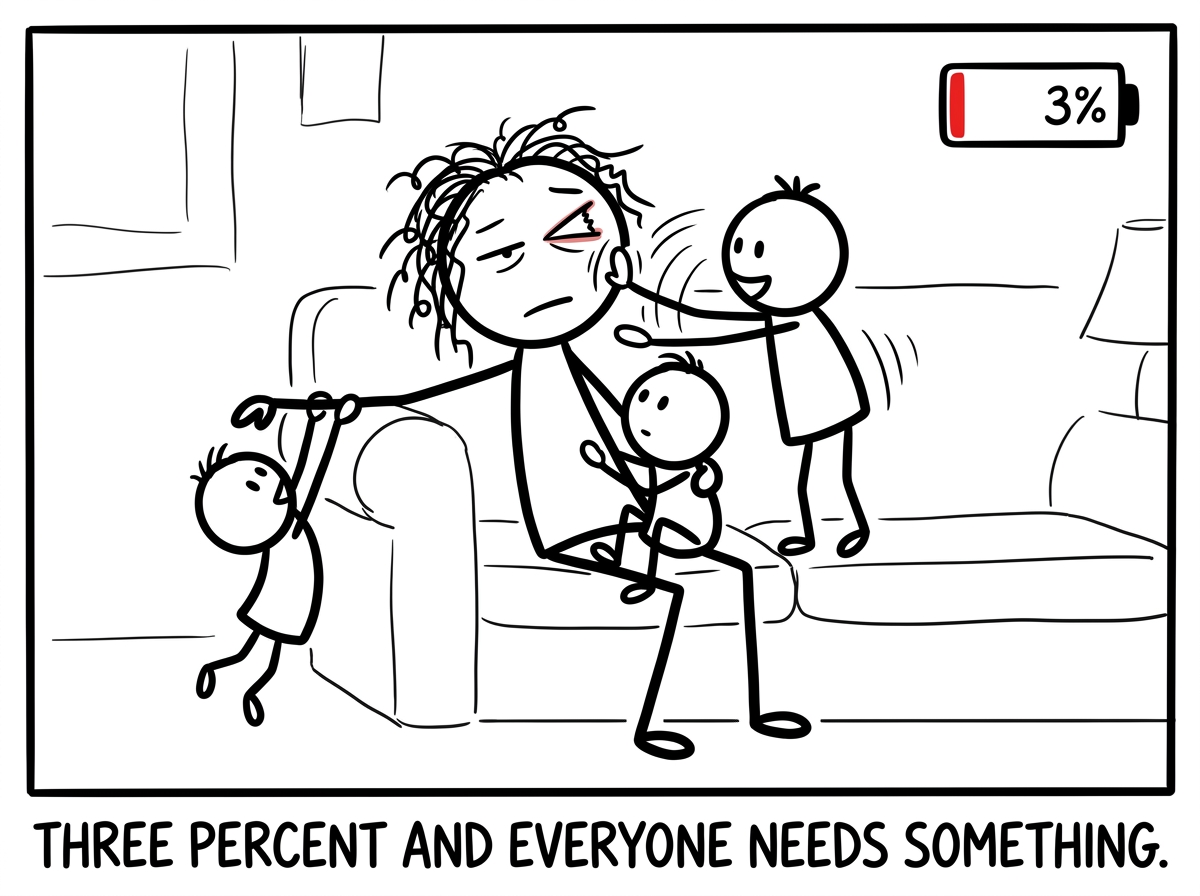
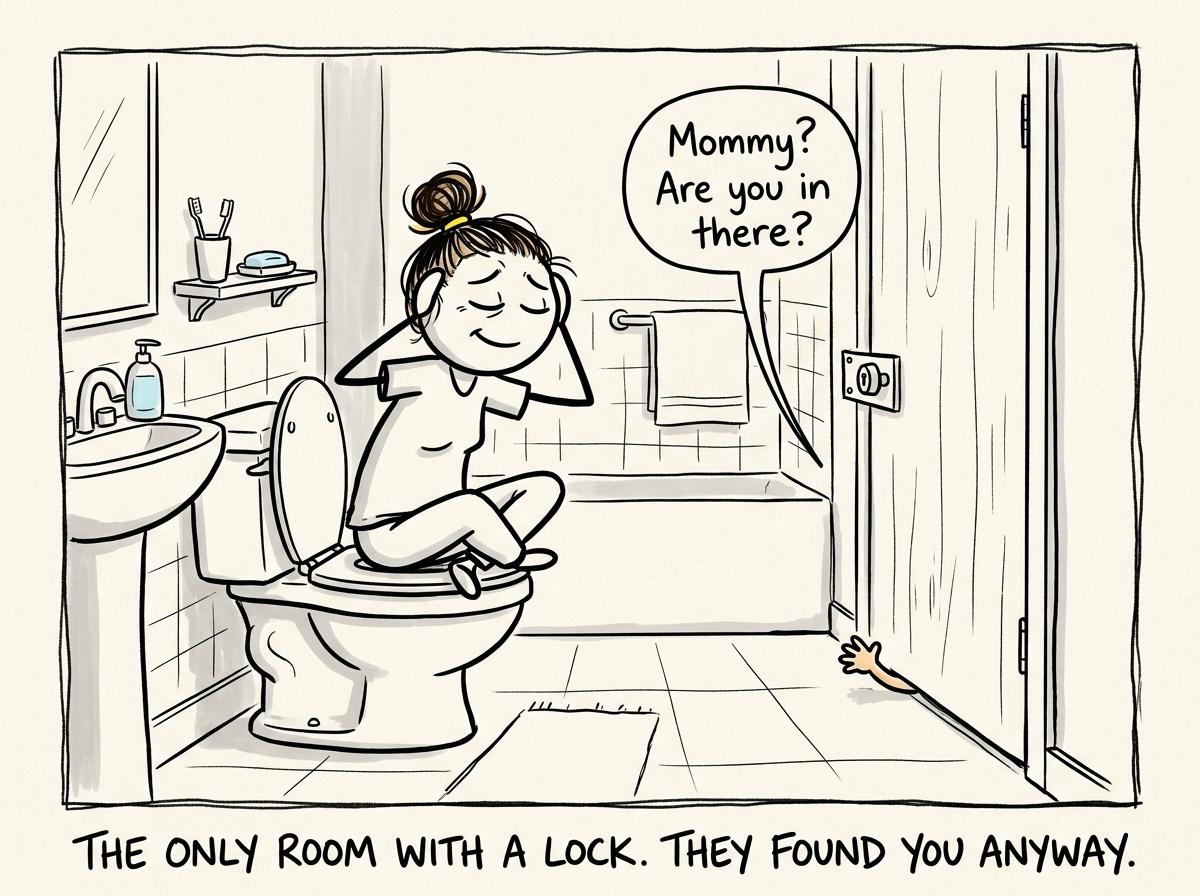
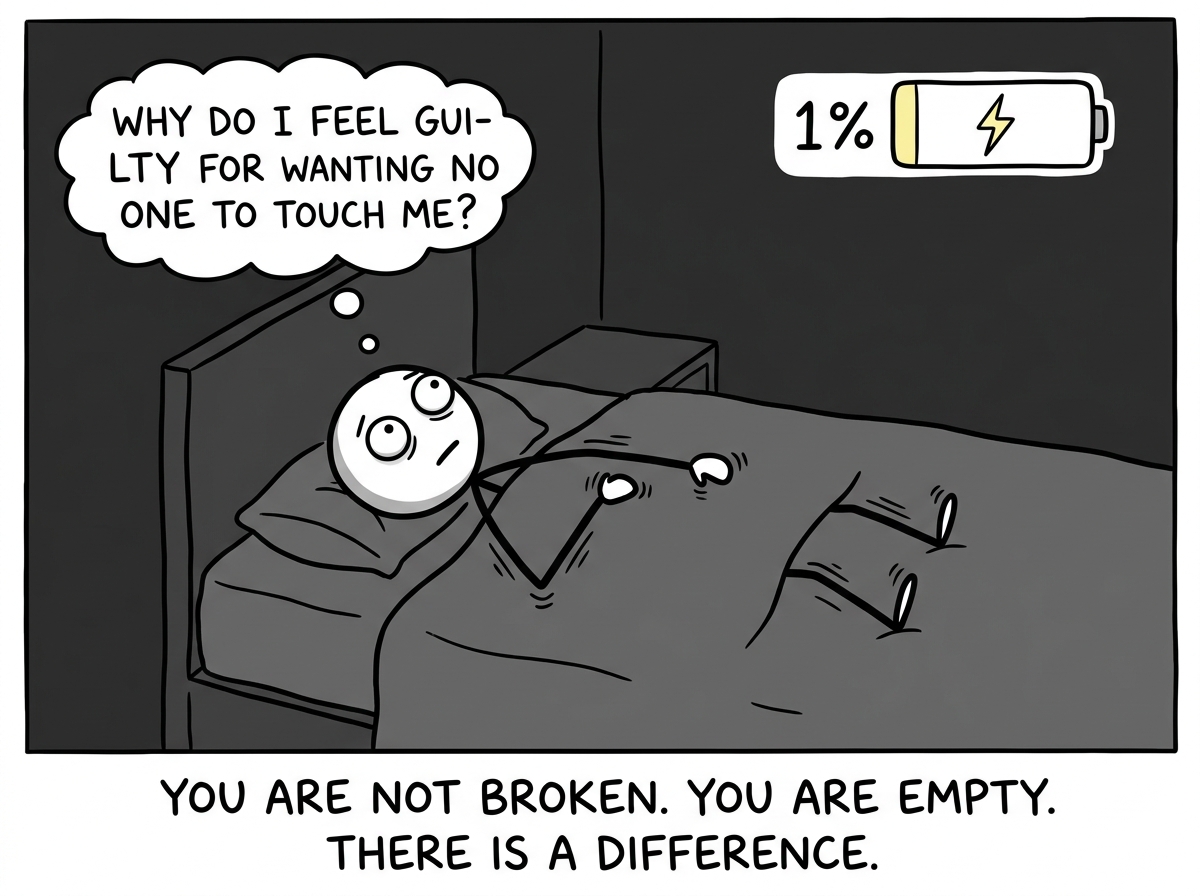
It is 6 PM. Your toddler is hanging off your leg. Your older child is asking you to watch them do a cartwheel for the forty-seventh time. The baby needs to be held. Your partner asks what is for dinner and you genuinely consider walking into the ocean. You love these people. You also cannot tolerate being touched by a single one of them for one more second. This is what 'touched out' means — and it is one of the most visceral symptoms of parental burnout. Being touched out is not selfishness. It is your nervous system waving a white flag. When you have been in a state of constant physical and emotional availability — feeding, holding, comforting, wiping, carrying — your body eventually hits a saturation point. The sensory input exceeds your capacity to process it, and your nervous system shifts from 'nurture mode' to 'escape mode.' Researchers studying parental burnout have found that this sensory overwhelm is closely linked to emotional exhaustion and can trigger feelings of detachment from children — the very detachment that makes parents feel like monsters. The antidote is not pushing through. It is not gritting your teeth and enduring more contact while your skin crawls. The antidote is recognizing that you are a human body with limits, not an infinite resource. Parental burnout improves when parents are allowed — and allow themselves — to have uninterrupted time where no one is touching them, needing them, or asking them for anything. That is not a luxury. It is maintenance.
Key Takeaway
Being touched out is not a failure of love — it is your nervous system saying it has given everything it has.