The Filtered Childhood
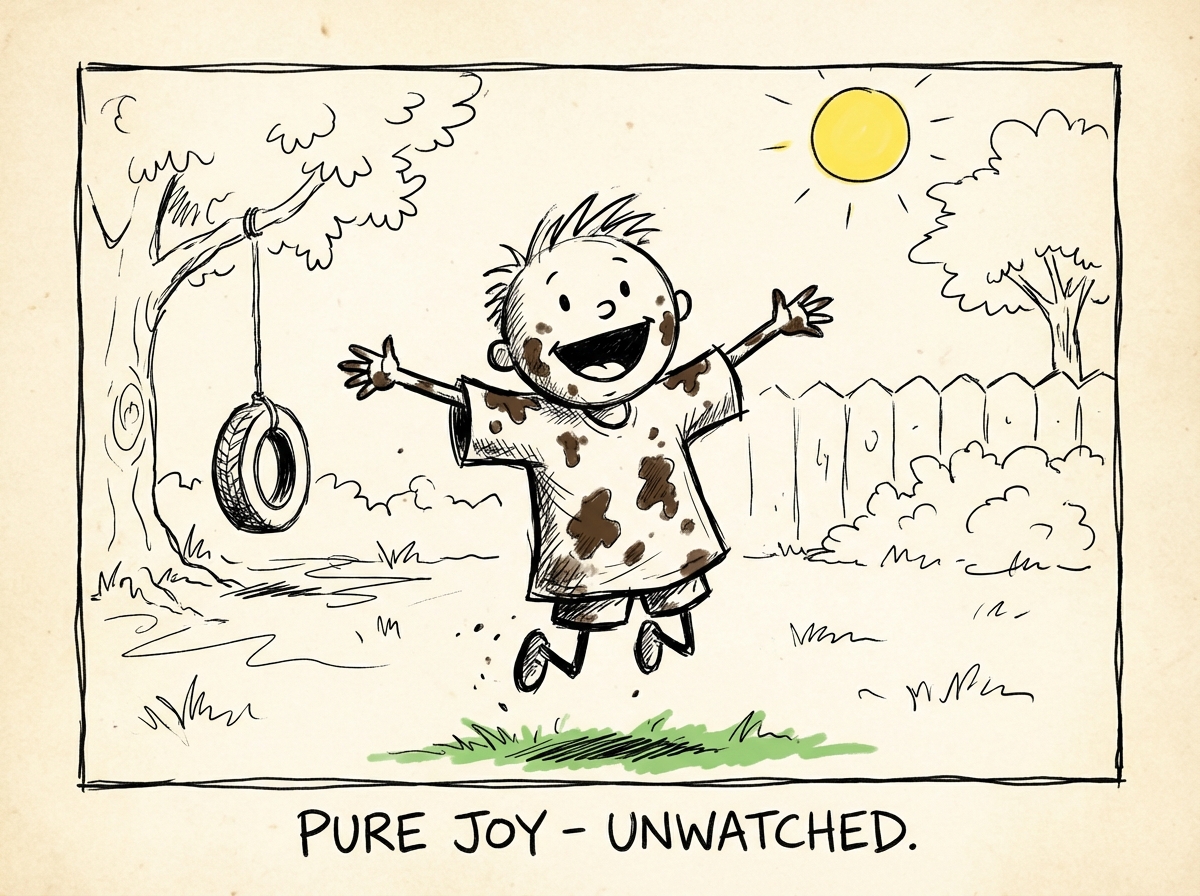
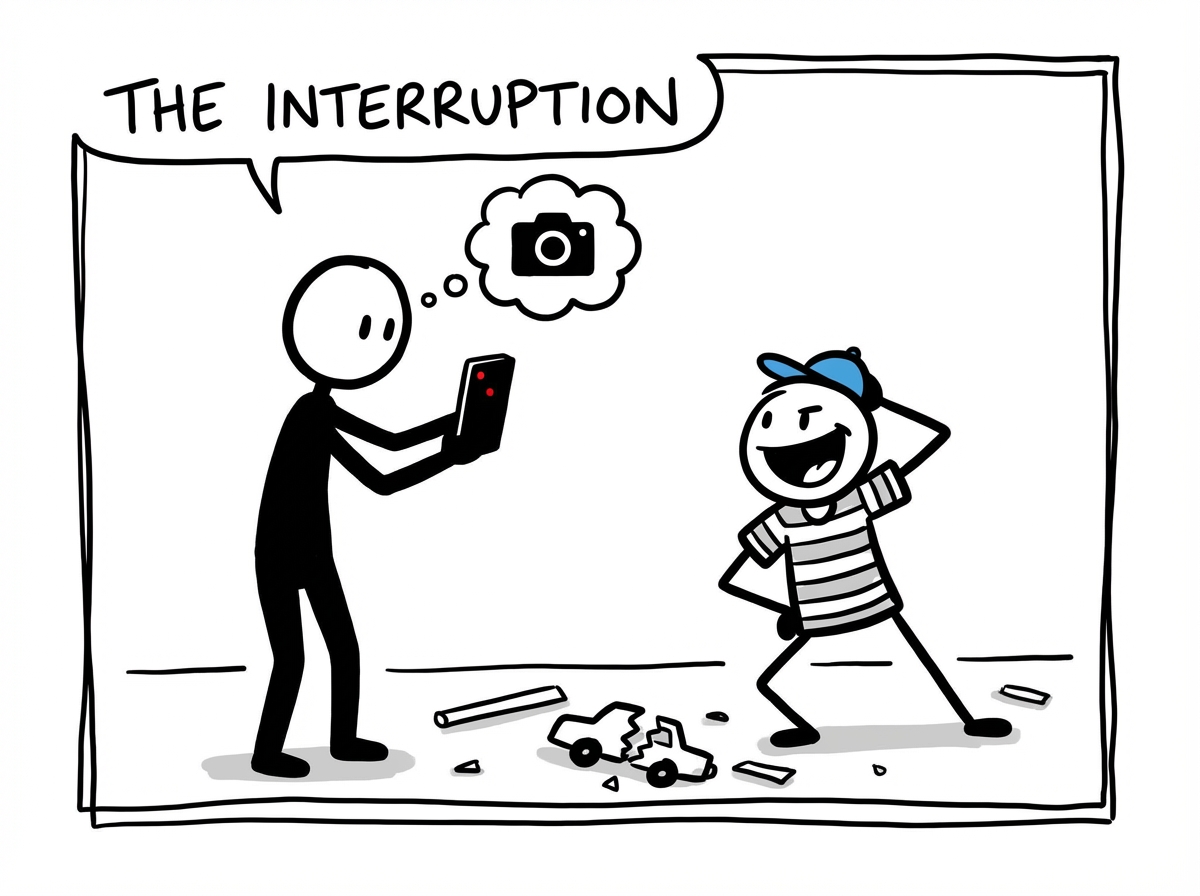
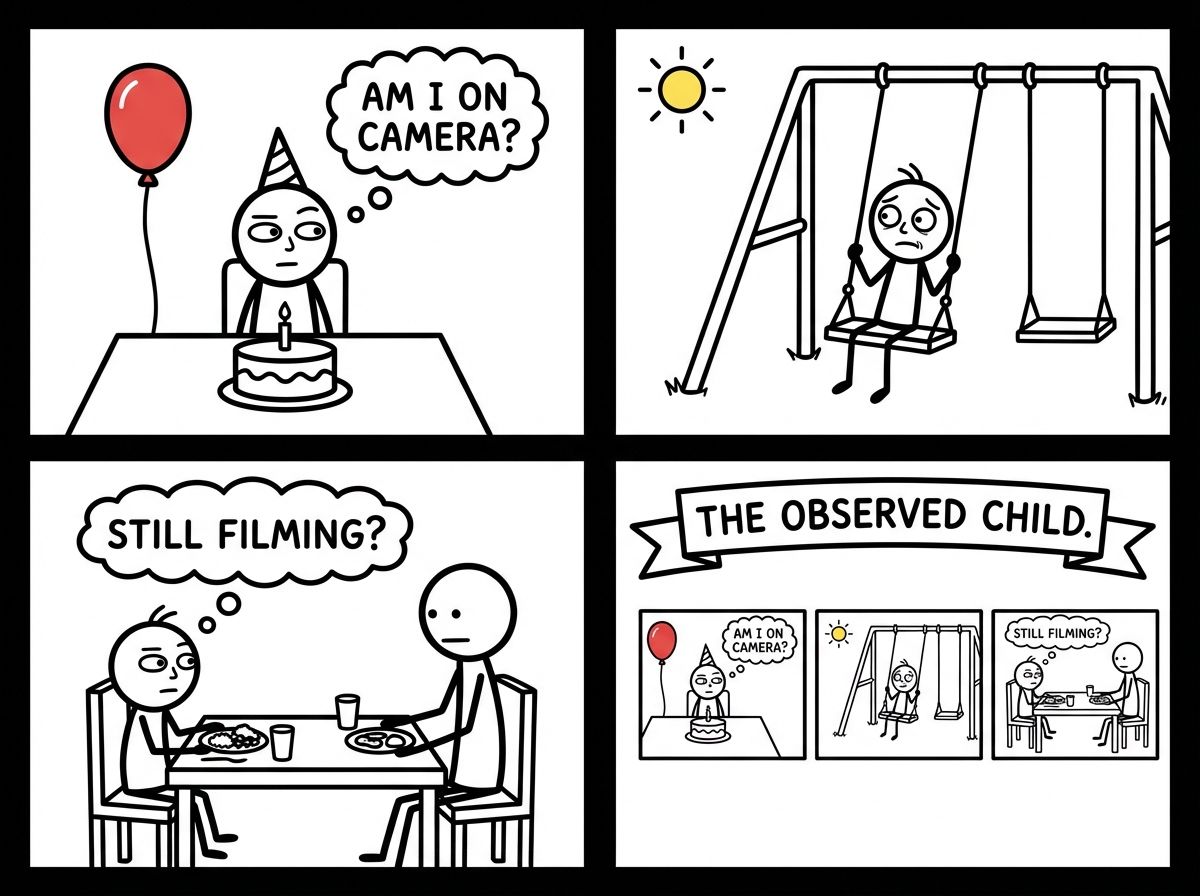
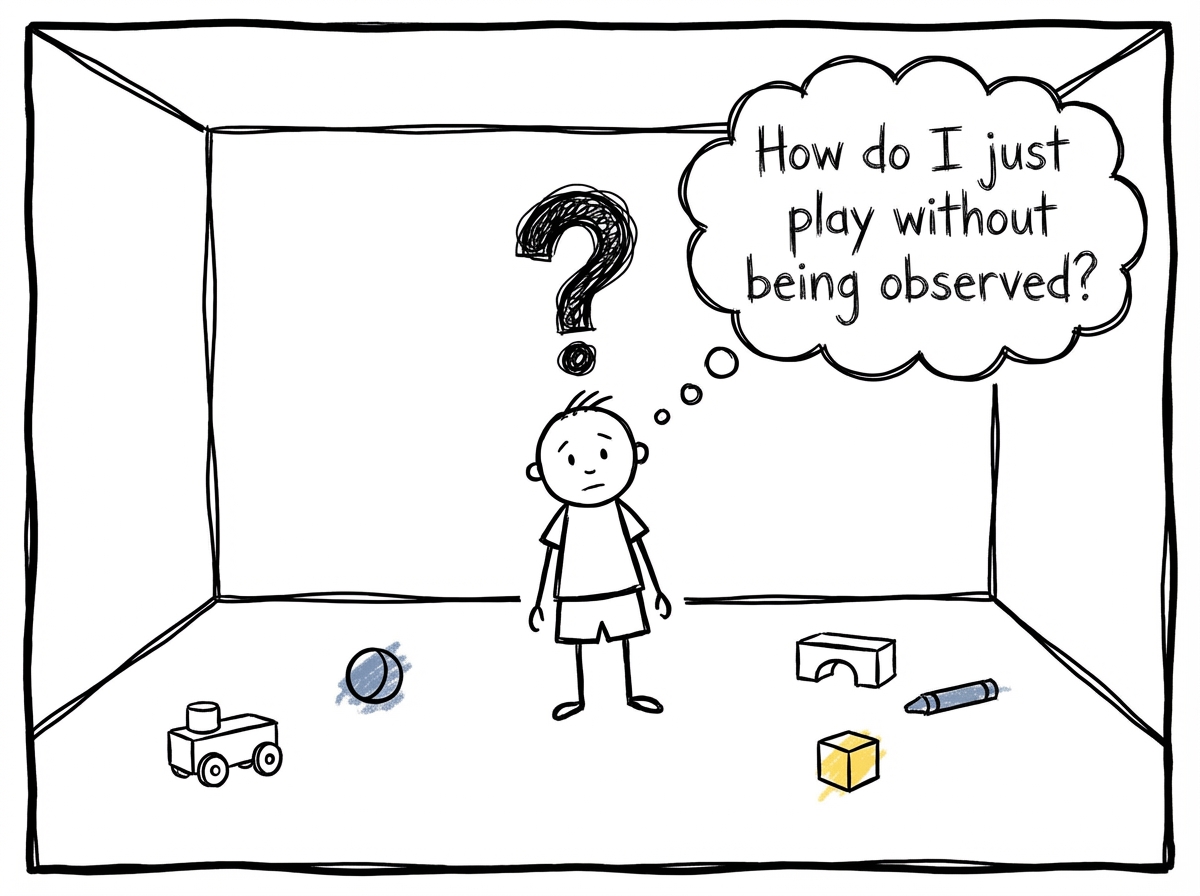
A child goes from playing freely to performing for cameras in every moment, eventually forgetting how to just be a kid without an audience.
Explanation
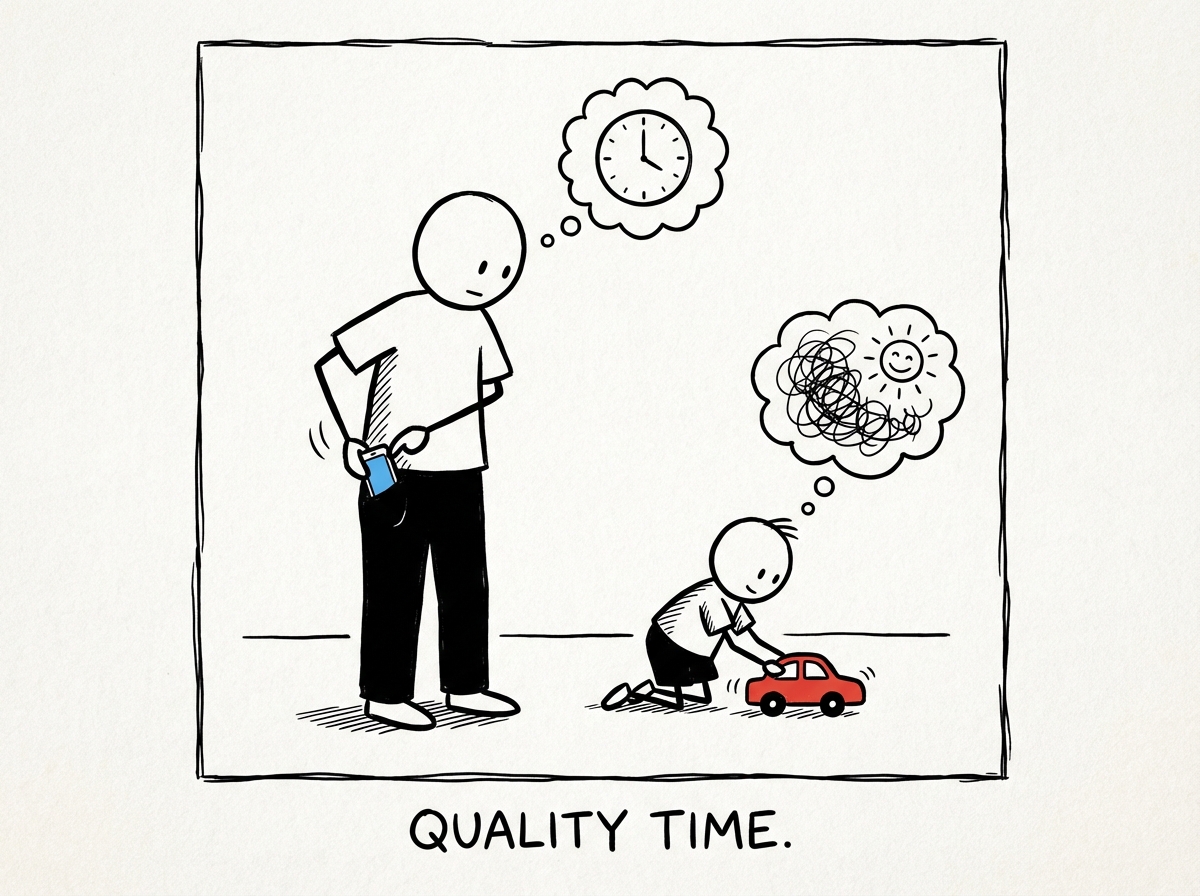
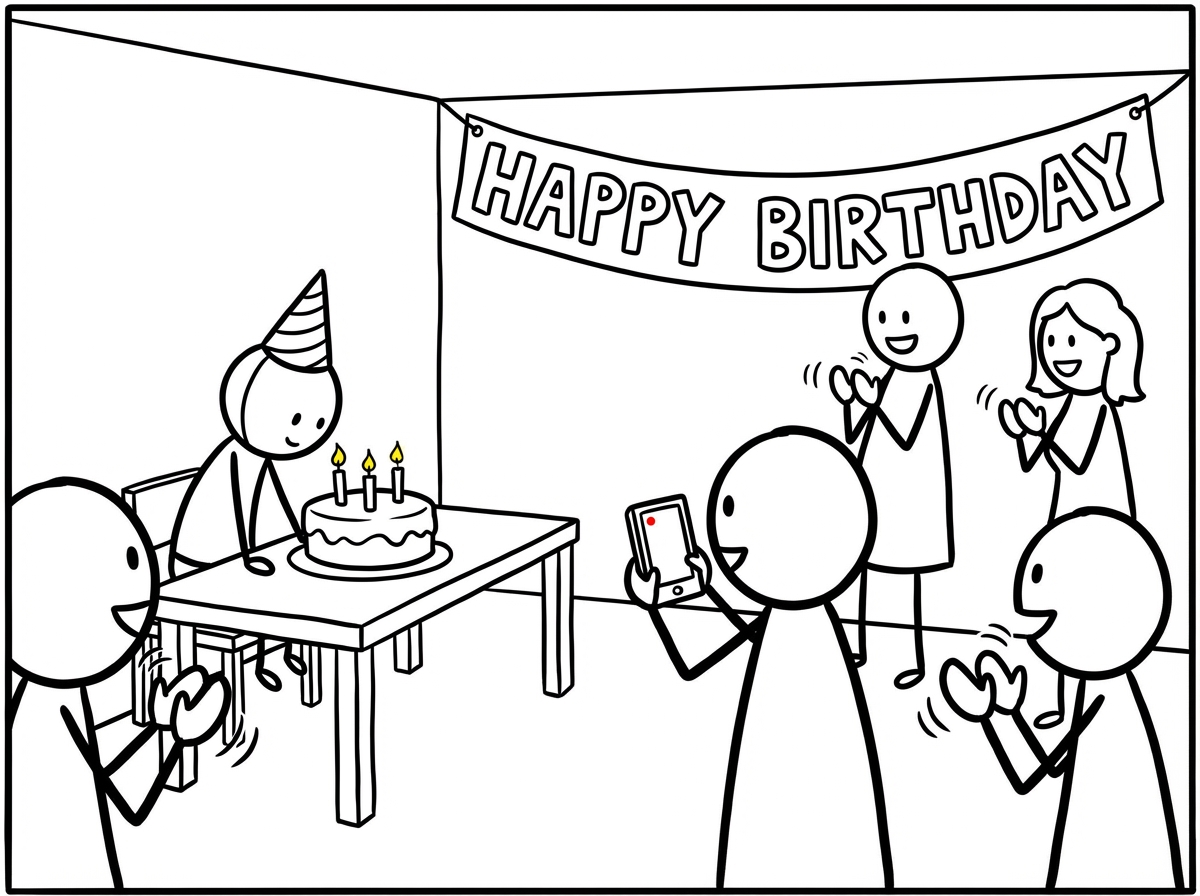
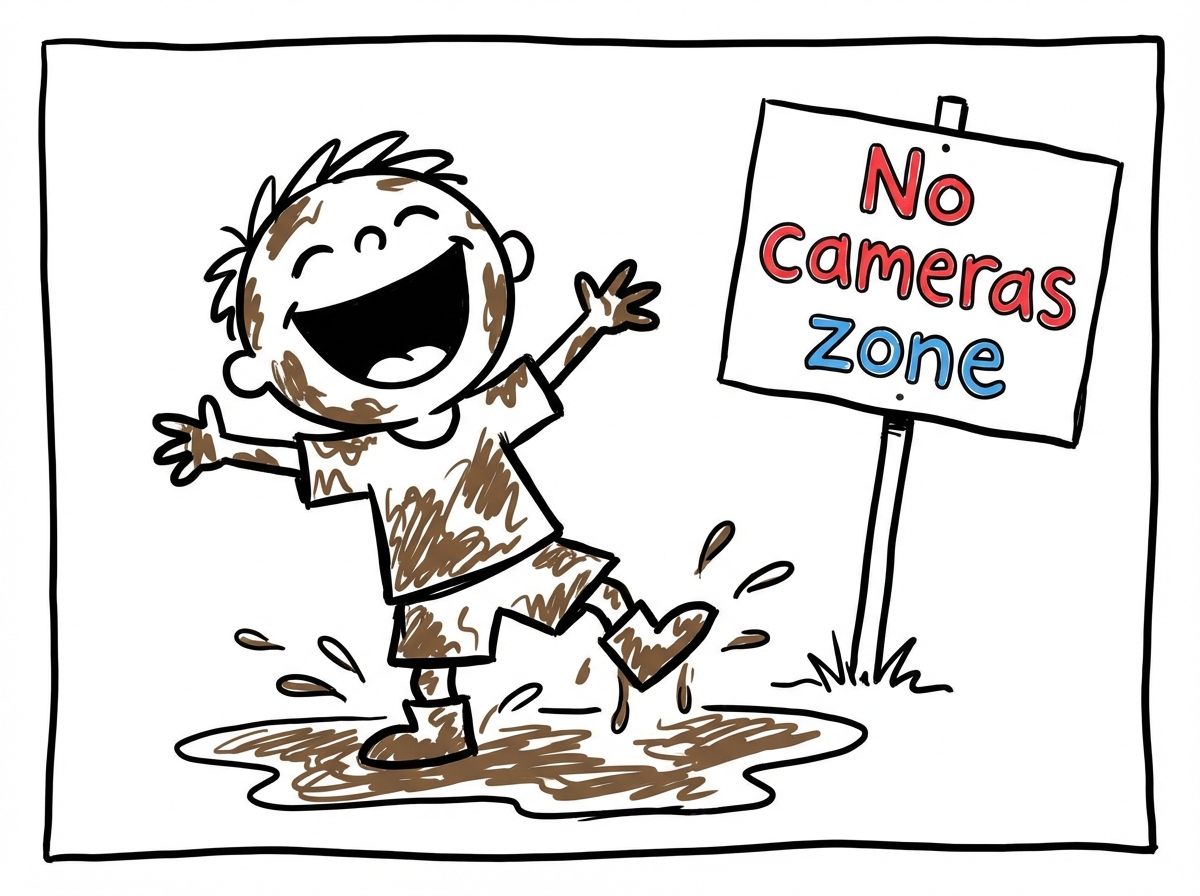
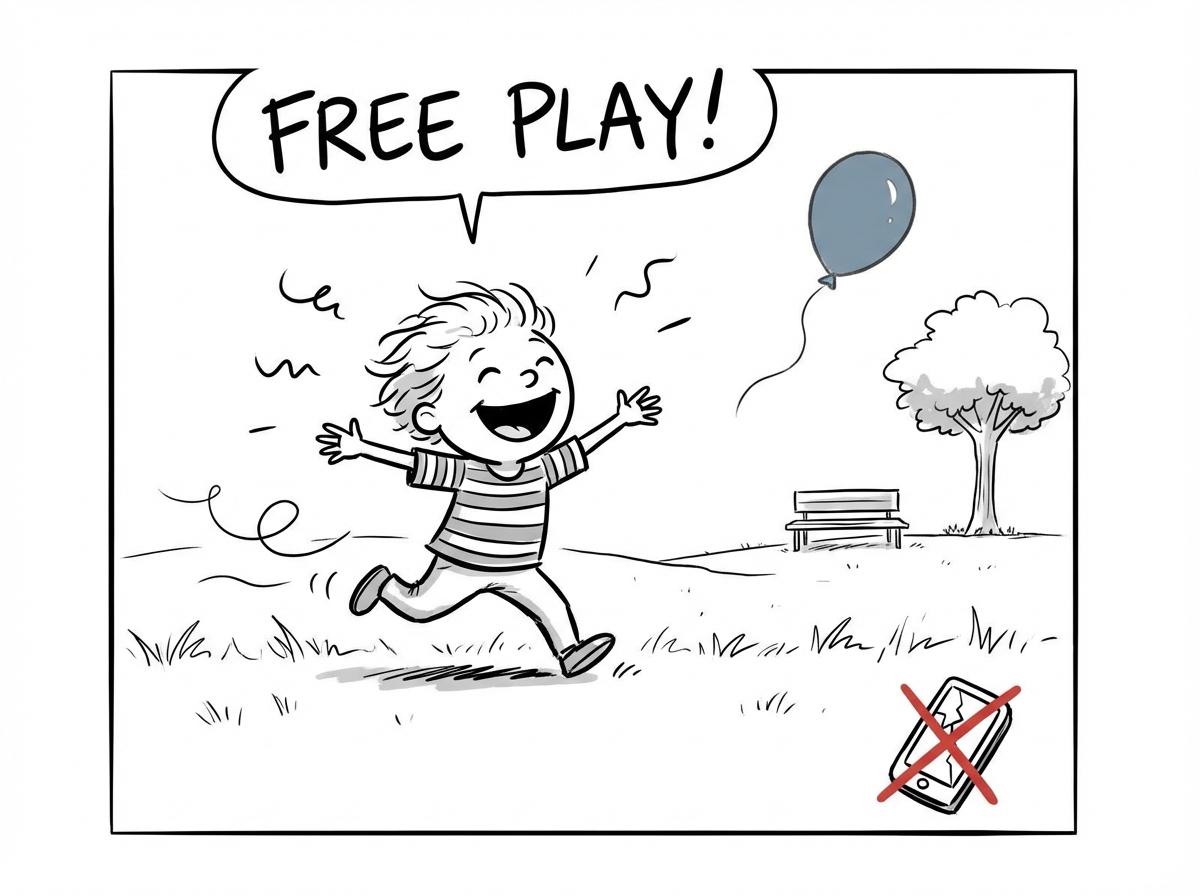
There is a moment in the cartoon where the child stops playing and starts performing -- and that moment is worth paying attention to. It happens when the camera comes out. Not maliciously, not with bad intentions, but the effect is the same: the child learns that their experience is not complete until it is recorded. Developmental psychologists call this the audience effect -- the way behavior changes when we know we are being observed. For adults, this is manageable. For children whose sense of self is still forming, it can fundamentally alter how they relate to their own experience. Research by Uhls and colleagues at UCLA found that children who spent significant time in front of screens -- and, by extension, cameras -- showed reduced ability to read nonverbal emotional cues. But the problem goes deeper than screen time. When a child grows up being filmed at birthday parties, recorded at playgrounds, and photographed at dinner, they internalize a subtle message: the moment does not count unless someone is watching. Play becomes performance. Spontaneity becomes self-consciousness. The child starts checking -- is someone filming? Should I be doing something cute? -- and in that checking, something essential about childhood is lost. This is not about demonizing parents who take photos. It is about noticing the ratio. If a child cannot blow out birthday candles without five phones in their face, if playground time is interrupted for posed shots, if the first instinct after something joyful happens is to check whether it was captured -- the balance has tipped. Children need unobserved time. They need moments that belong only to them, that are not curated, shared, or liked. They need the freedom to be messy, boring, and unfilmable -- because that is where real childhood lives.
Key Takeaway
Children need moments that are not captured, shared, or performed. Let them have experiences that belong only to them.