The Filtered Childhood
A child goes from playing freely to performing for cameras in every moment, eventually forgetting how to just be a kid without an audience.

A generation building their identity on a platform that profits from their insecurity.
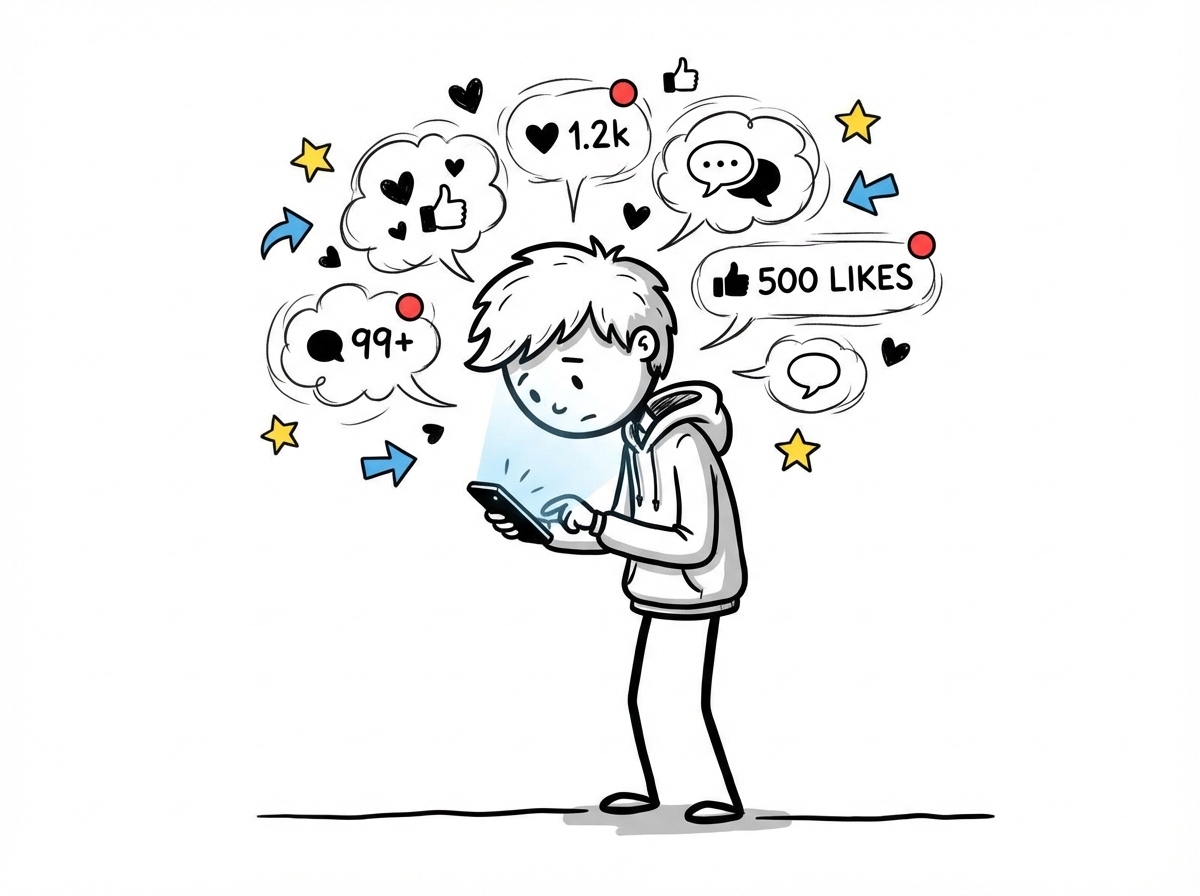
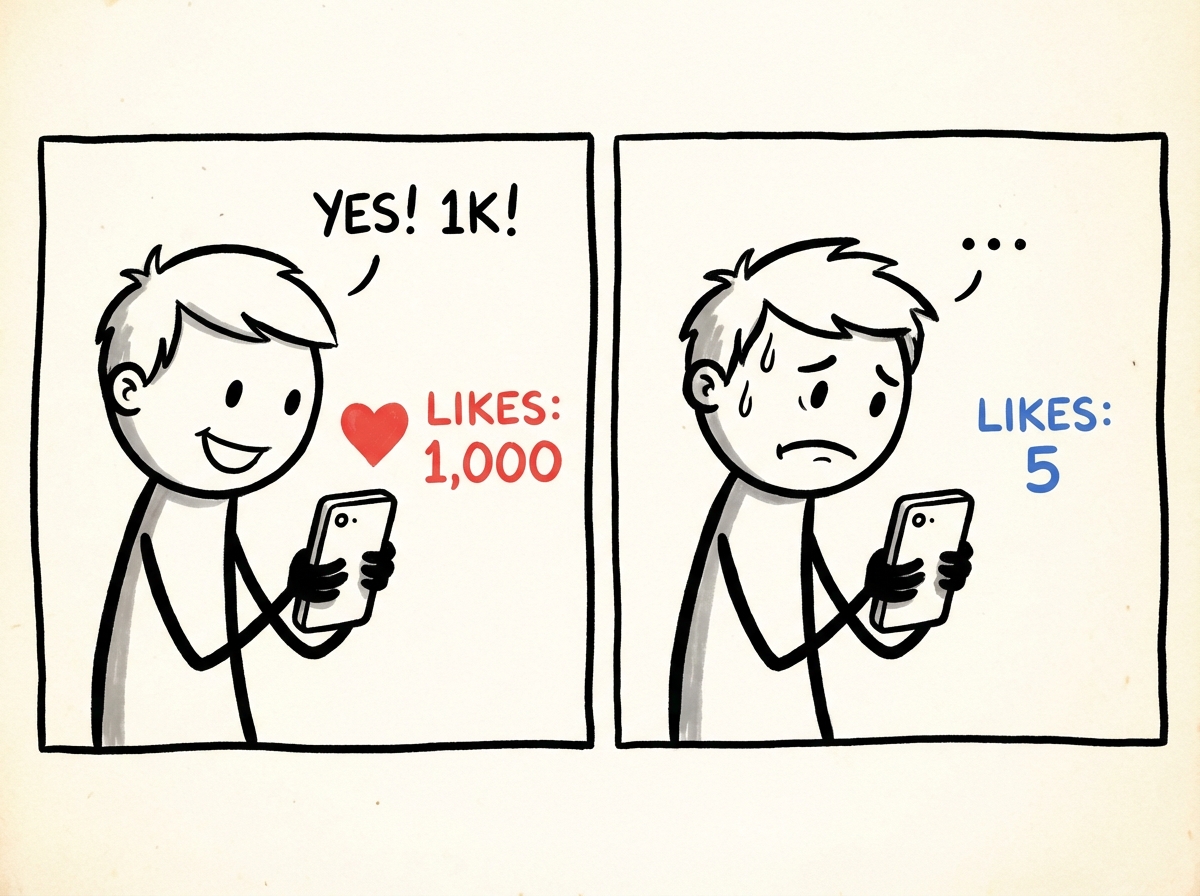
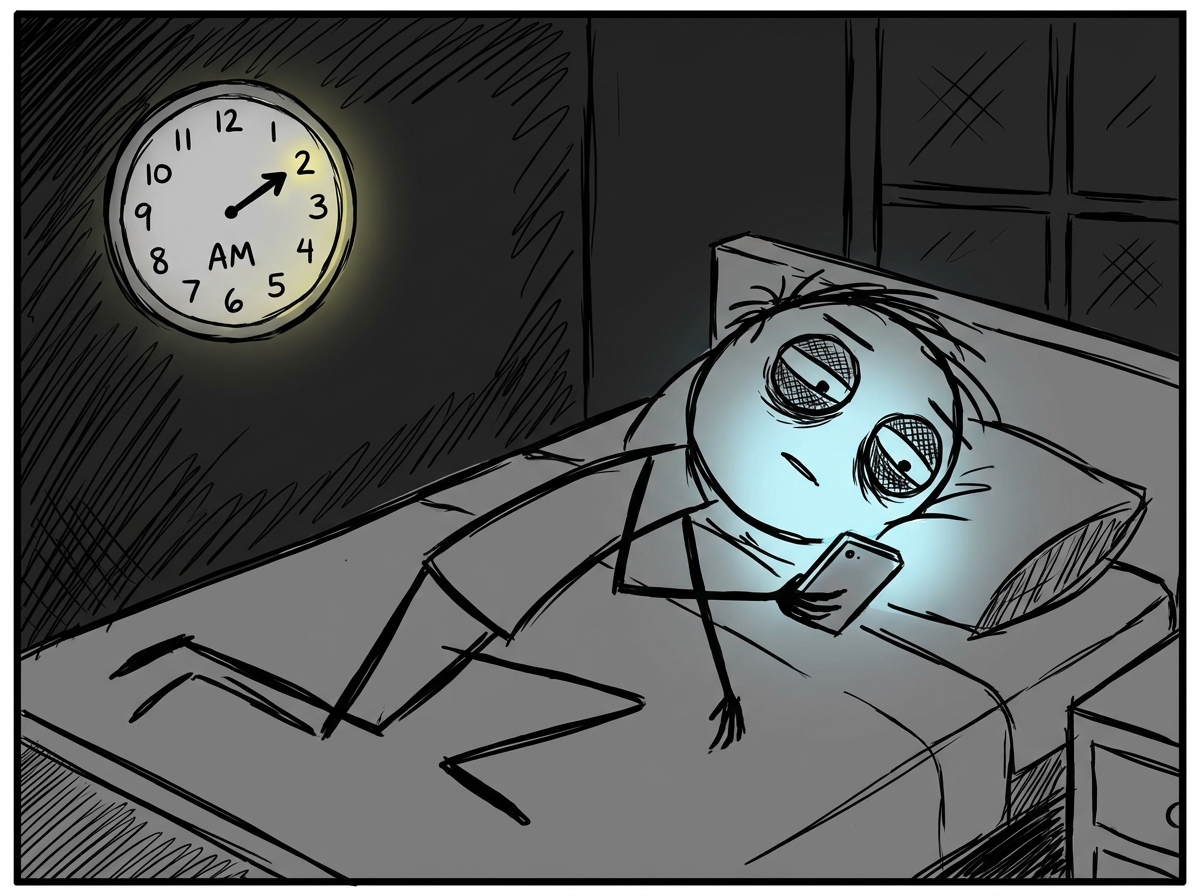
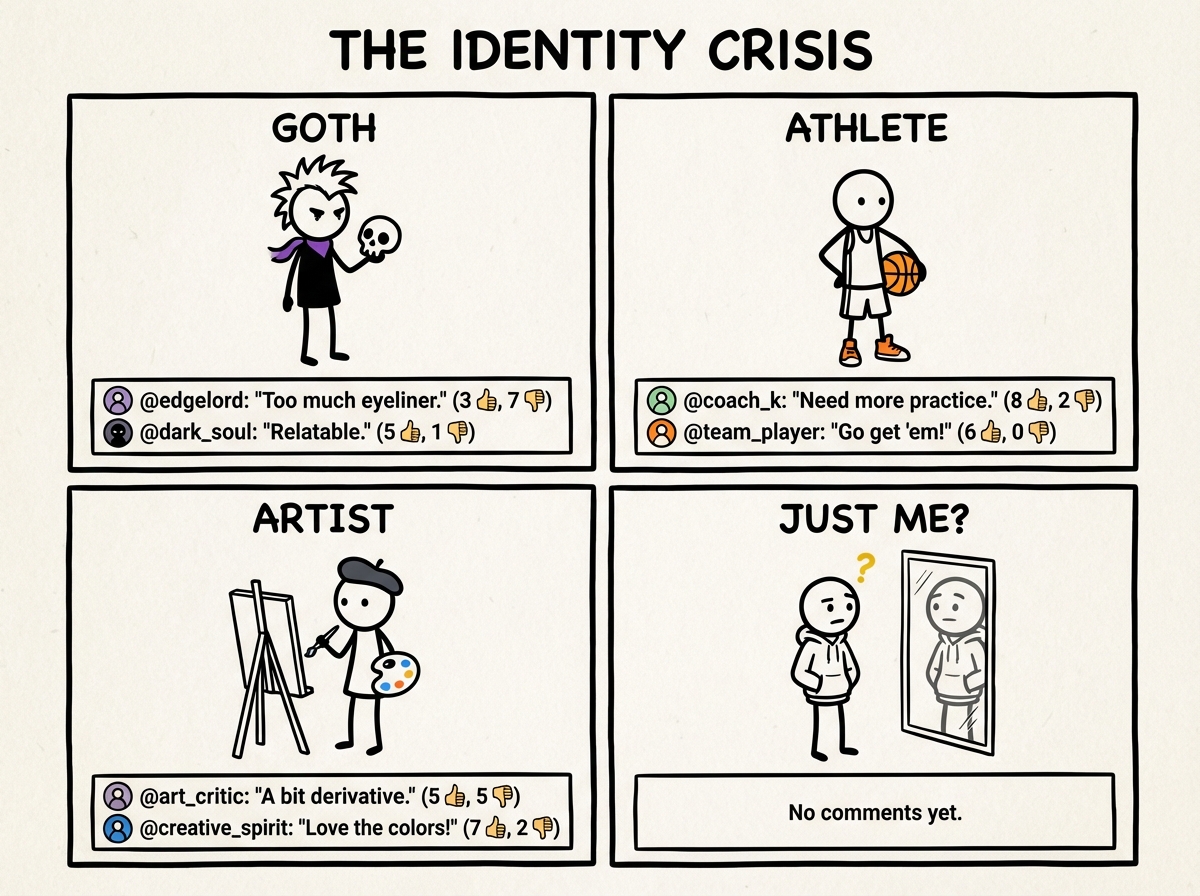
Adolescence has always been a vulnerable time for identity formation -- the brain is still developing, the prefrontal cortex is not yet fully online, and the need for peer approval is biologically intense. But no previous generation has had to navigate this period with a device in their pocket that delivers an infinite stream of social evaluation twenty-four hours a day. Jonathan Haidt, in his book The Anxious Generation, argues that the mass migration of childhood onto phone-based platforms between 2010 and 2015 fundamentally rewired adolescent social life, replacing play-based childhood with phone-based childhood and producing sharp increases in anxiety, depression, and self-harm -- especially among girls. Jean Twenge's research in iGen documented the same inflection point: around 2012, when smartphone ownership crossed the majority threshold among teens, every measure of adolescent mental health began moving in the wrong direction. The American Psychological Association has issued formal advisories warning that social media use is not inherently harmful but becomes so when it displaces sleep, physical activity, and face-to-face interaction -- which, for many young people, it does. The mechanisms are layered. Likes and follower counts create a quantified self-worth that fluctuates in real time. Cyberbullying follows teenagers home from school and into their bedrooms. Algorithmic feeds learn what triggers engagement -- often anxiety, outrage, or insecurity -- and serve more of it. Identity exploration, which developmentally requires experimentation and privacy, now happens on a public stage with a permanent record. The adolescent brain is wired to seek novelty and social reward, and these platforms are engineered to exploit exactly that wiring. The result is not a generation that is weak. It is a generation that was handed a psychological experiment no one consented to.
This generation was not born fragile -- they were handed a psychological experiment no one consented to.
A child goes from playing freely to performing for cameras in every moment, eventually forgetting how to just be a kid without an audience.
A teen's self-worth rises and crashes with their like count, until they realize the number never measured what they thought it did.