The Like Counter Identity
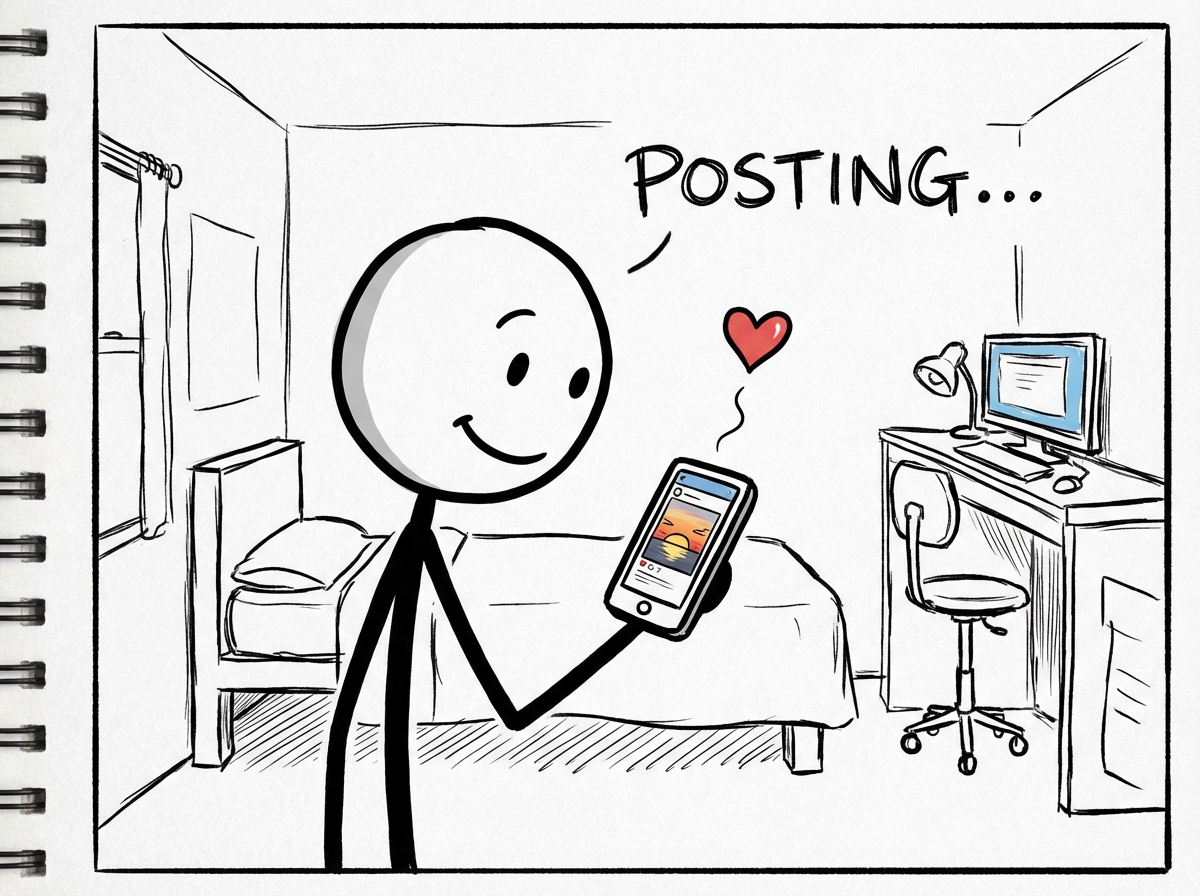
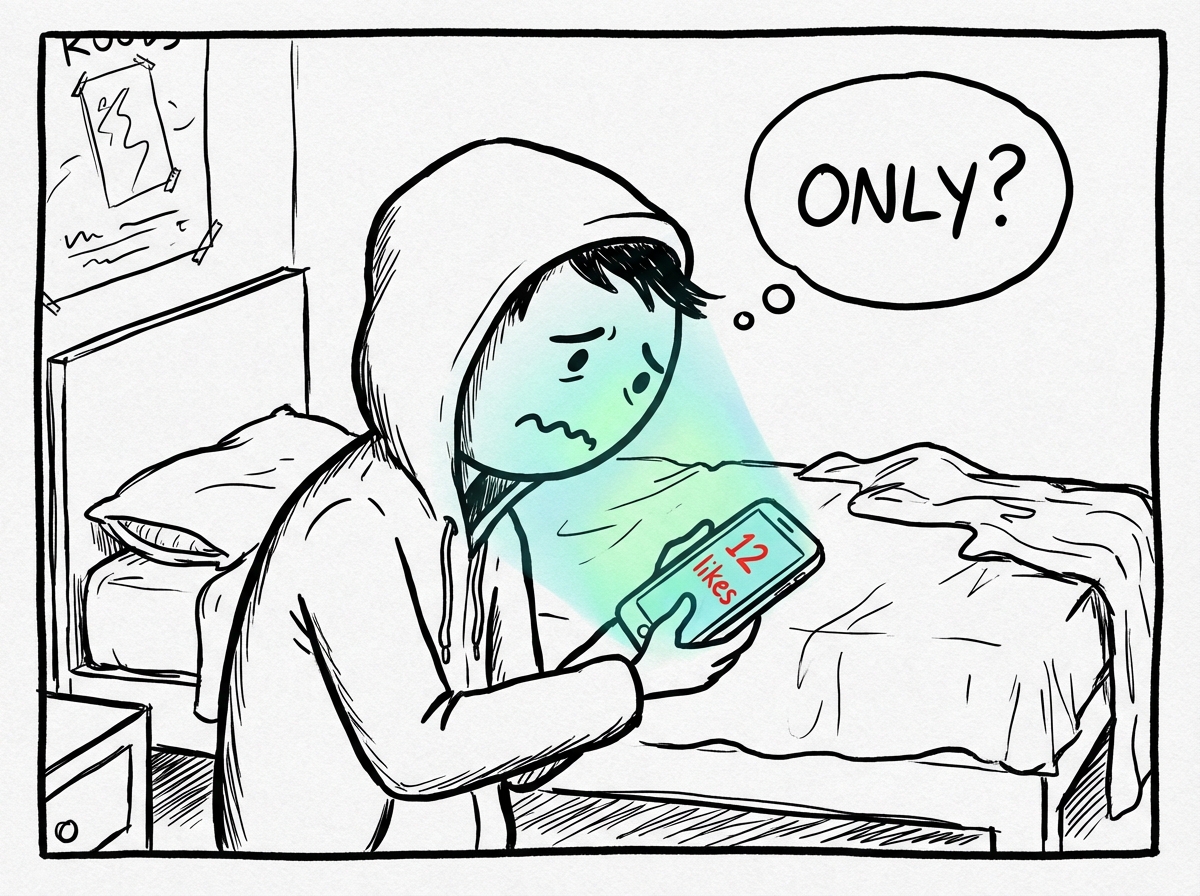
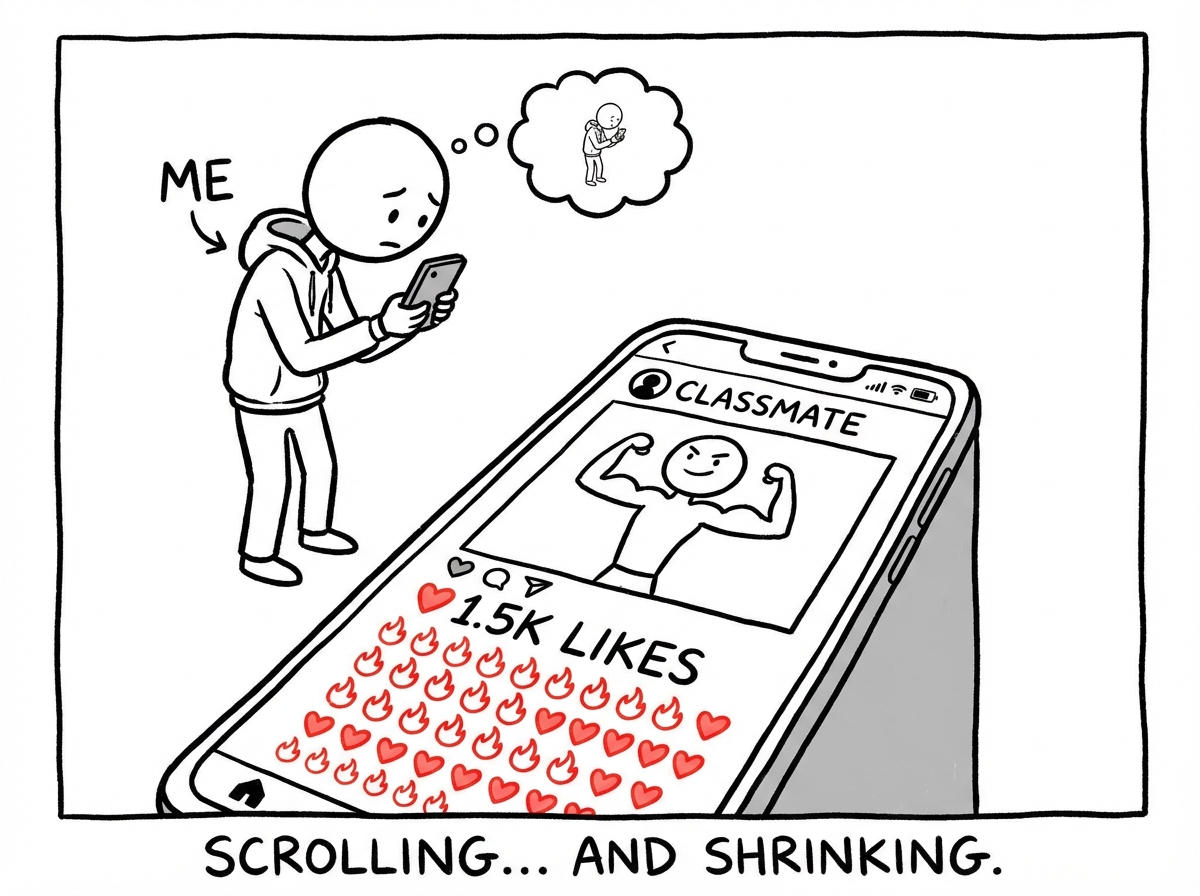
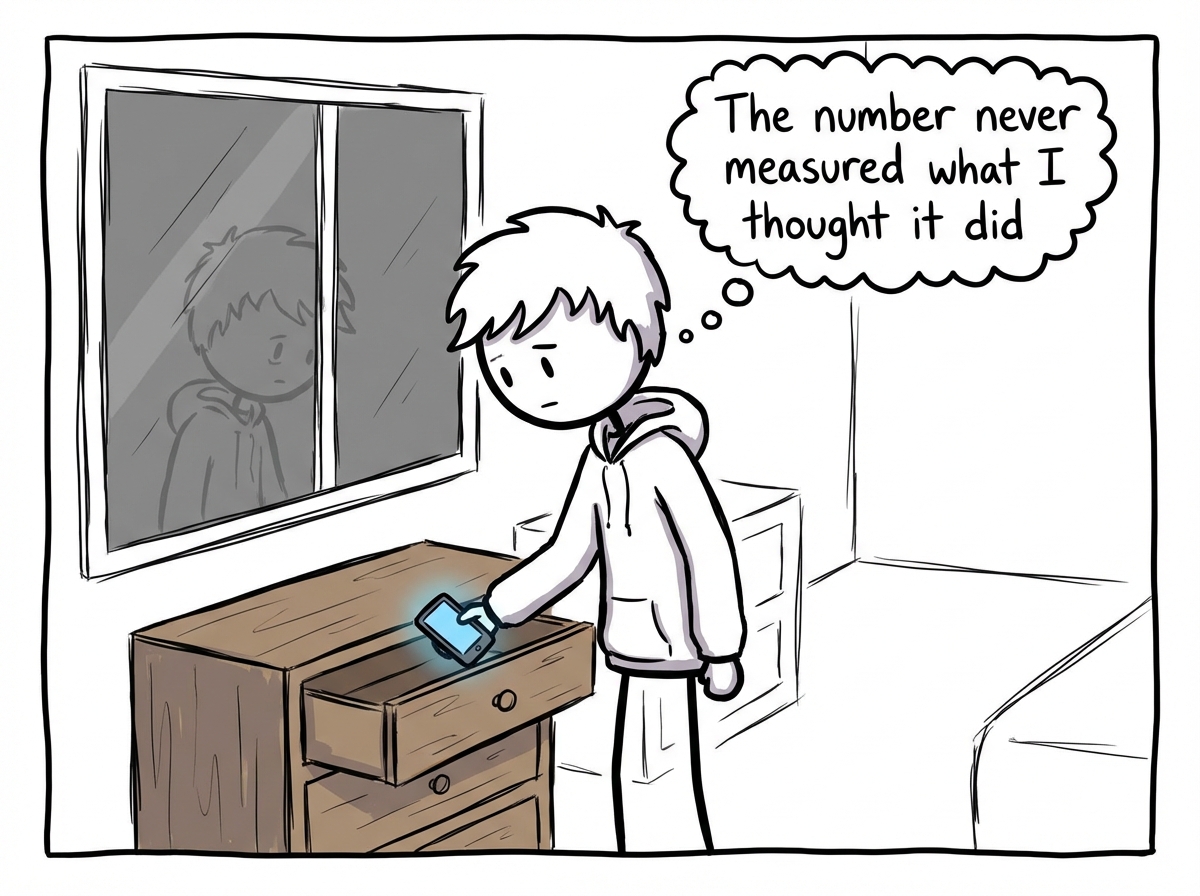
A teen's self-worth rises and crashes with their like count, until they realize the number never measured what they thought it did.
Explanation
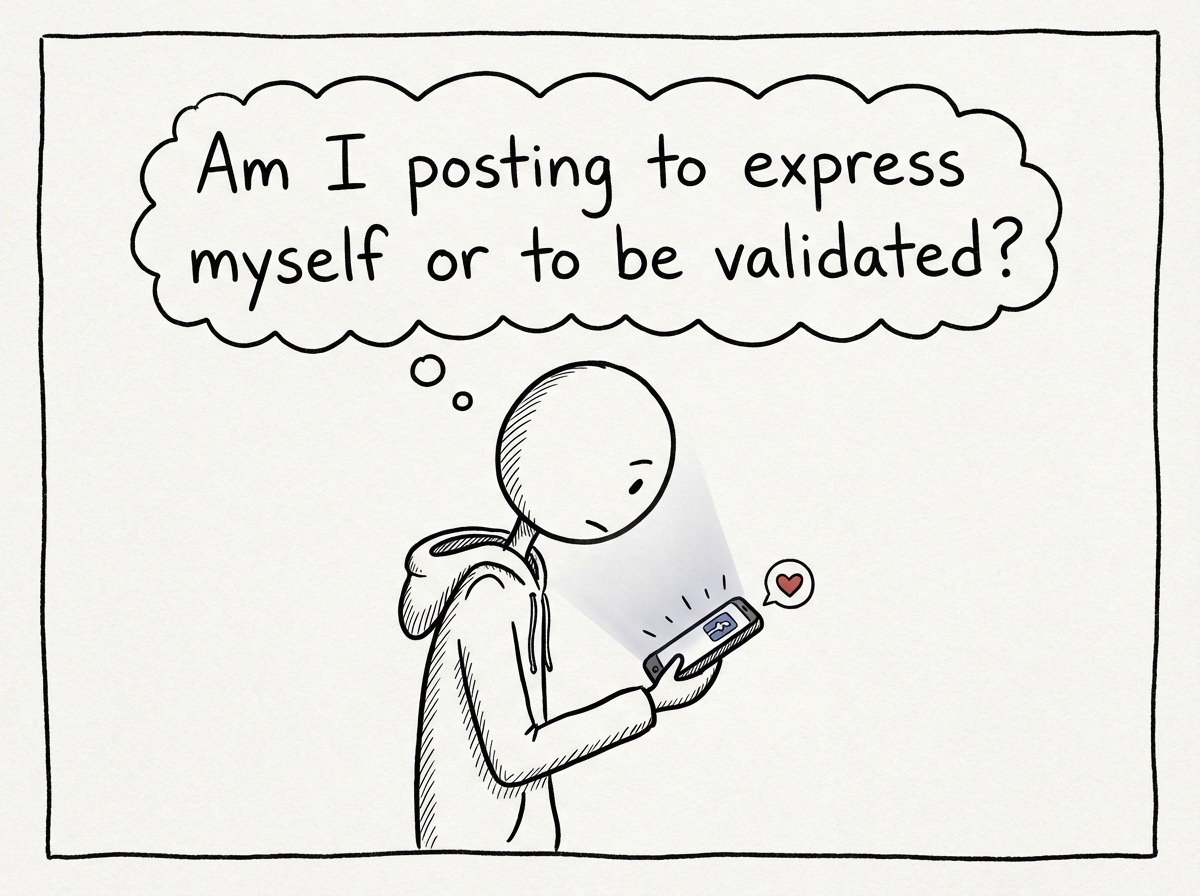
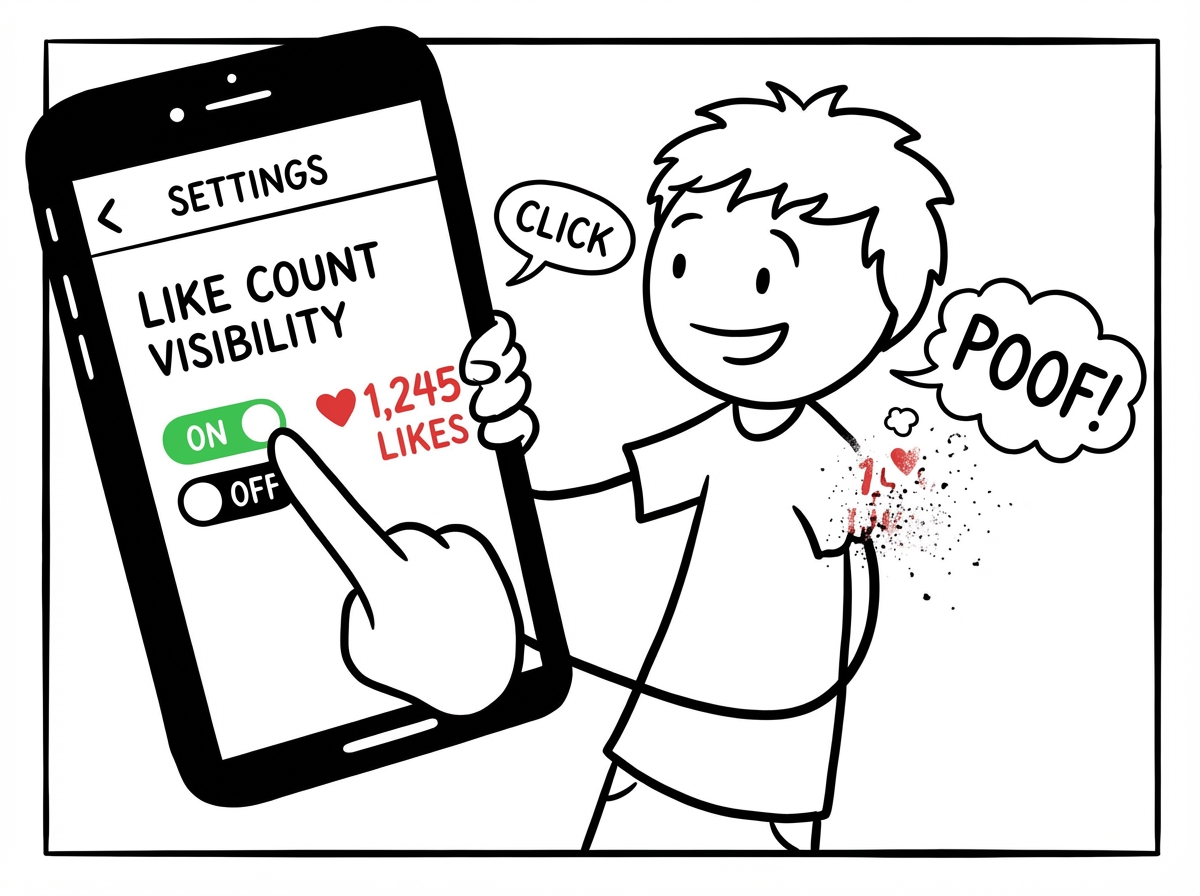
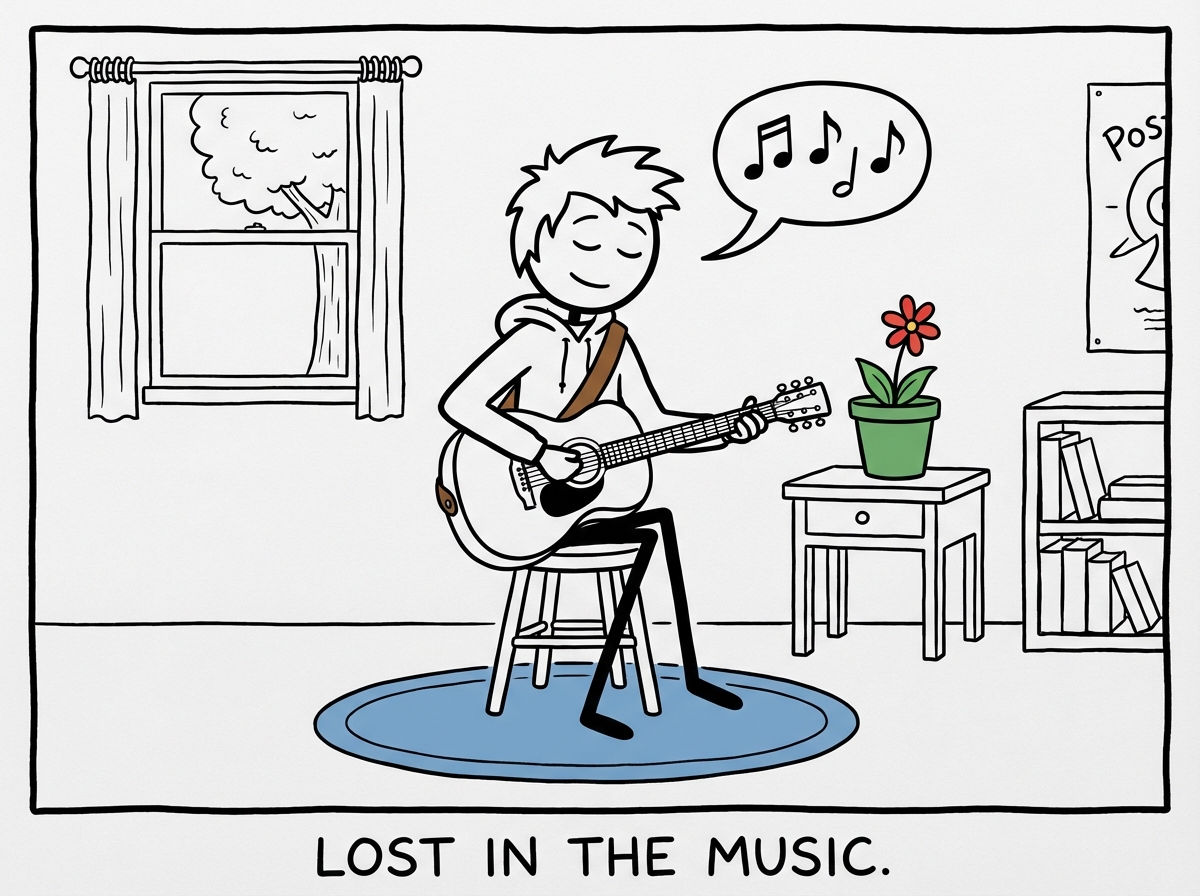
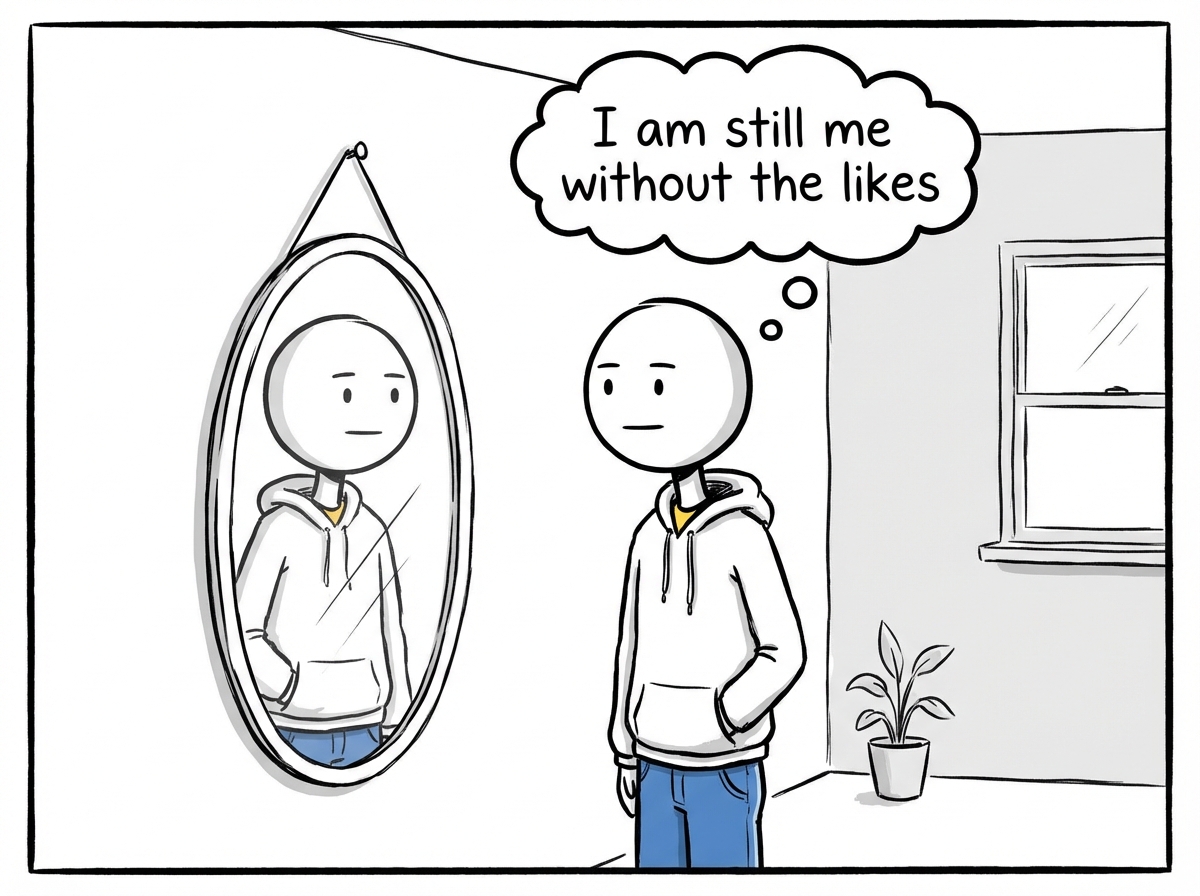
You post a photo. For a moment, you feel good about it -- the lighting, the caption, the version of yourself you chose to share. Then the counter starts. Twelve likes. Twenty. You check again. Still twenty. Your classmate posted an hour ago and already has three hundred. The photo has not changed, but somehow you feel worse about it -- and worse about yourself. This is what researchers call contingent self-worth, and social media has turned it into a real-time scoreboard. A study by Vogel and colleagues found that social comparison on platforms like Instagram is strongly associated with lower self-esteem, especially among adolescents whose identities are still forming. The like counter hijacks a normal developmental need. Teenagers are supposed to be figuring out who they are, and part of that process involves seeking feedback from peers. That is healthy. What is not healthy is when the feedback mechanism is a public number that reduces your social value to a digit. Your brain starts treating likes as a proxy for worth -- and when the number is low, the conclusion feels automatic: I am not enough. The dopamine hit from a high like count reinforces the behavior, creating a cycle where you post not to express yourself but to be validated, and where you curate not to share but to perform. Breaking this cycle does not mean quitting social media. It means building a sense of self that exists outside the counter. Ask yourself: Would this photo matter to me if no one saw it? Would I still like who I am if I never posted again? The answers are where your real identity lives -- not in the number under your photo.
Key Takeaway
The like counter measures attention, not worth. Your value was never a number.