The FOMO Loop
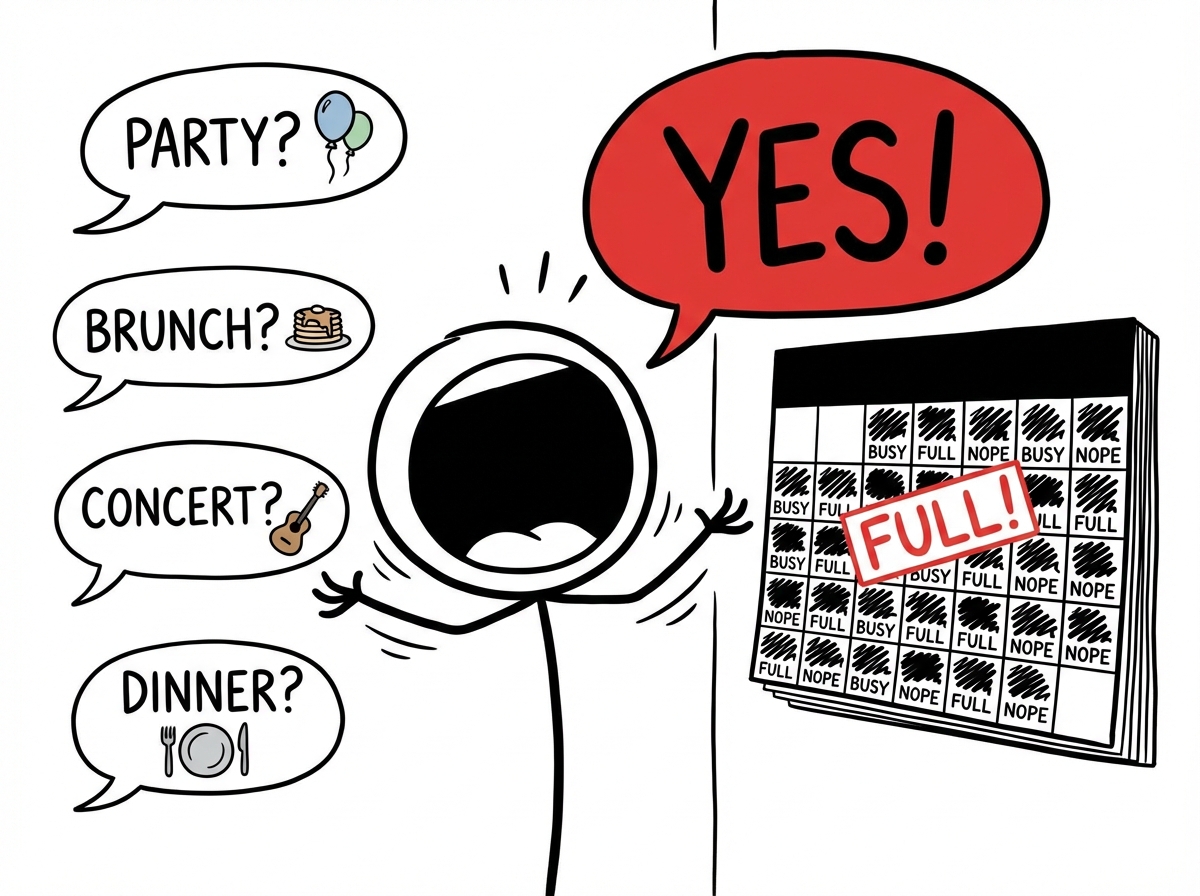
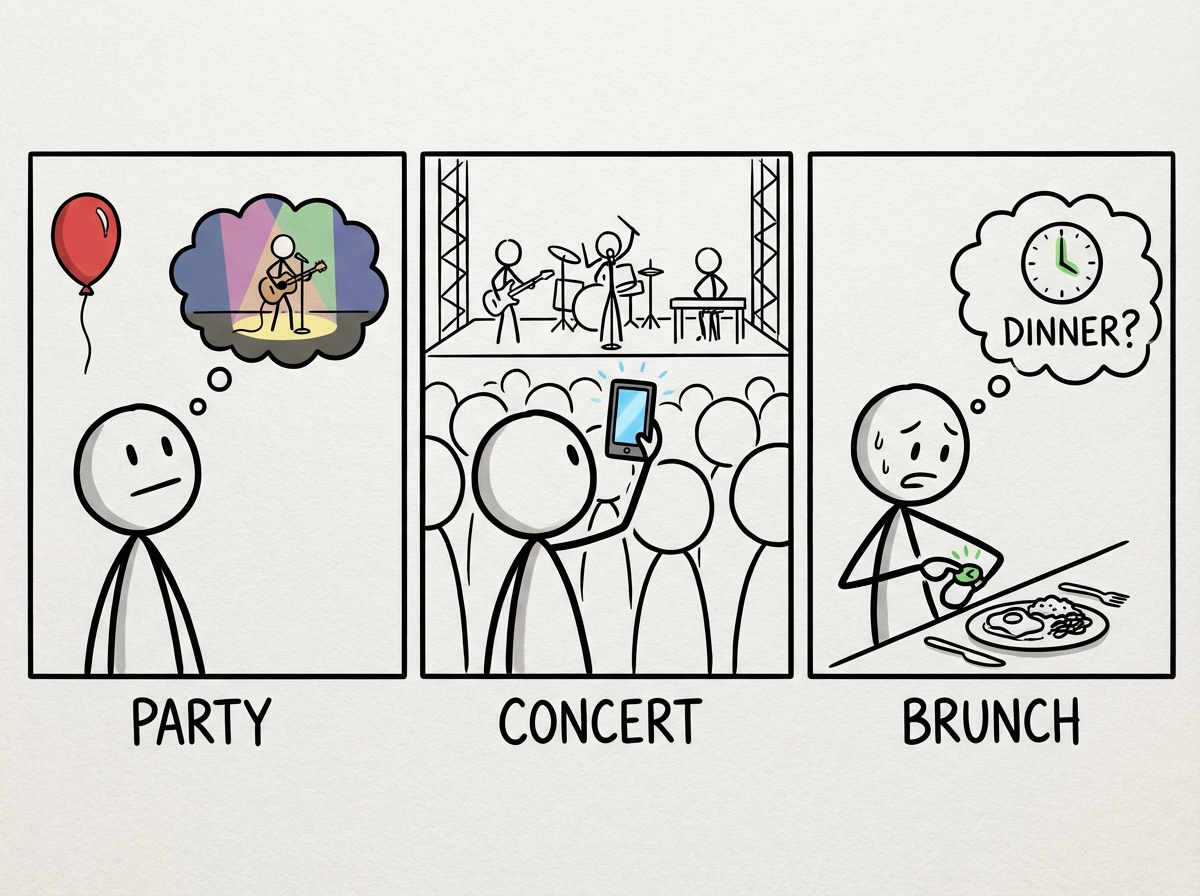
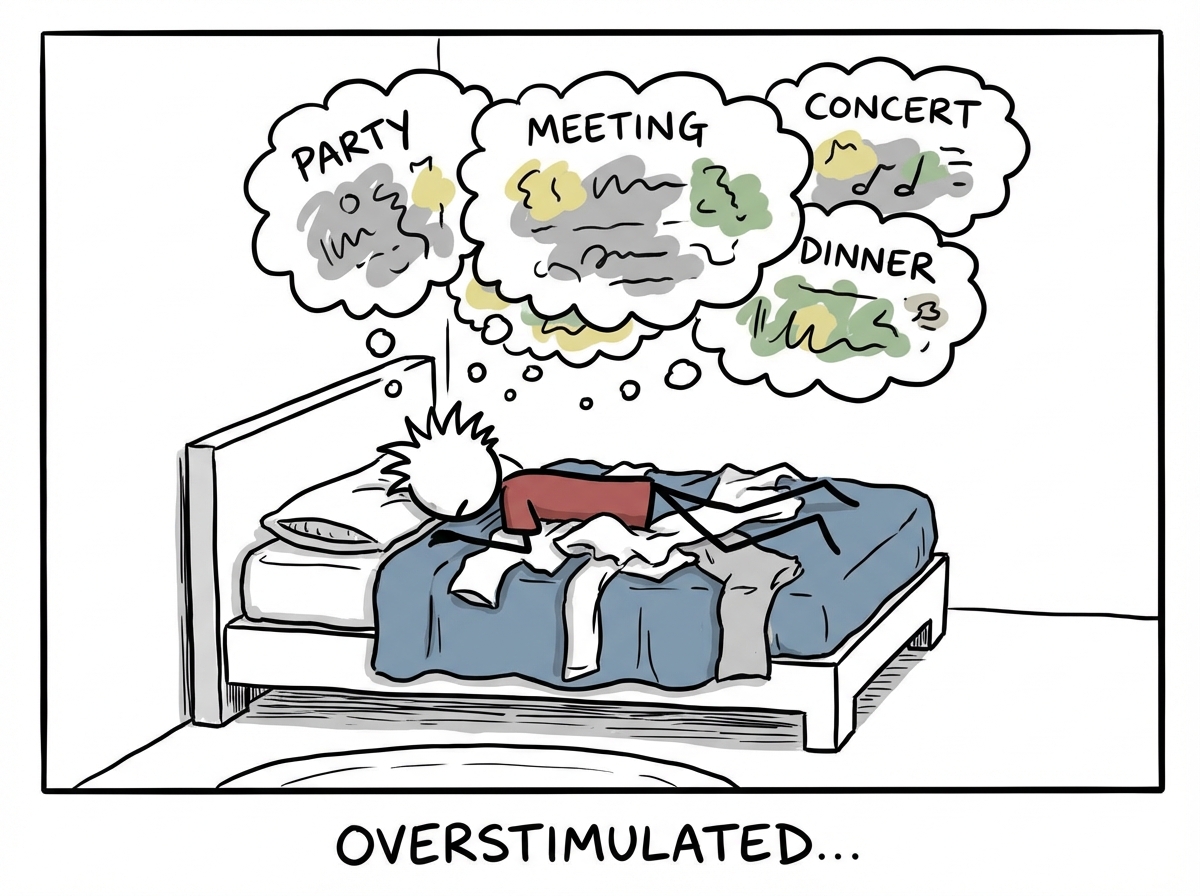
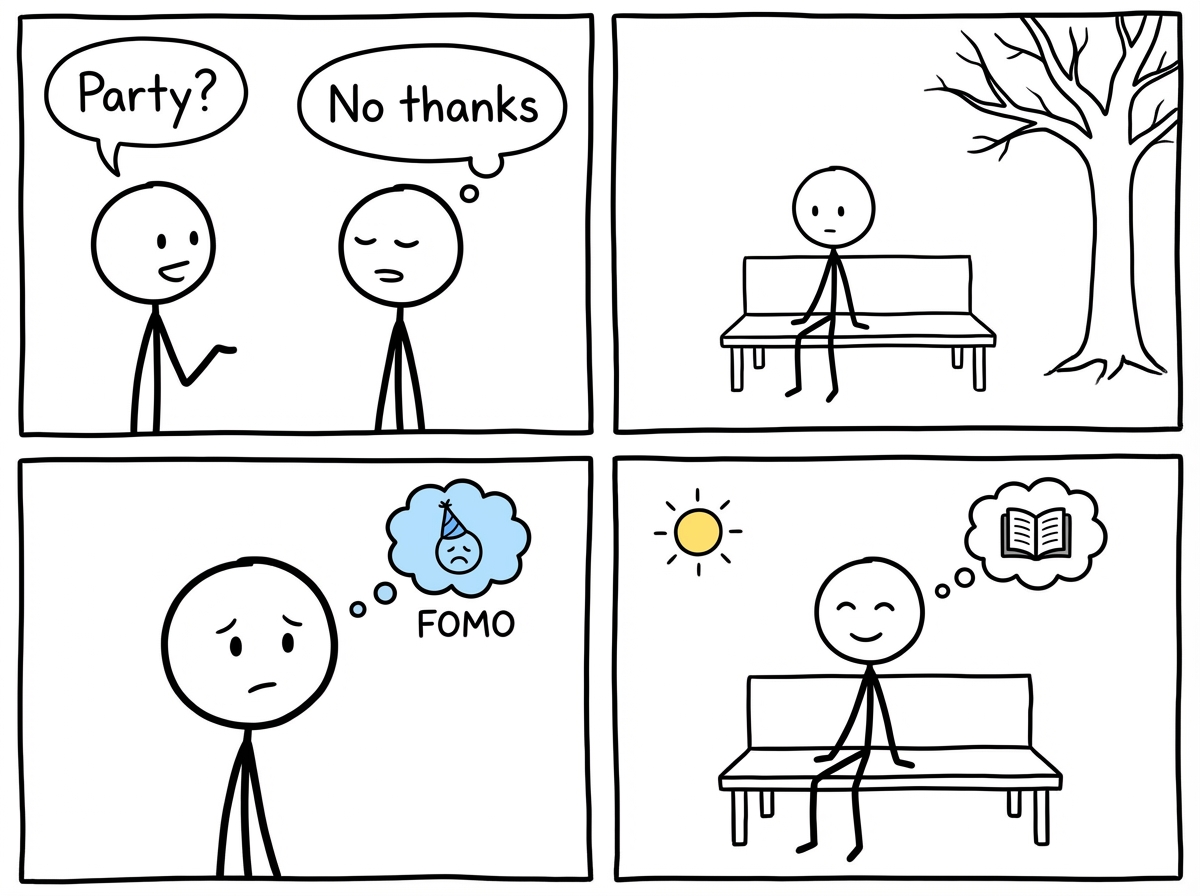
A person says yes to everything out of fear of missing out, only to discover they were present nowhere and enjoyed nothing.
Explanation
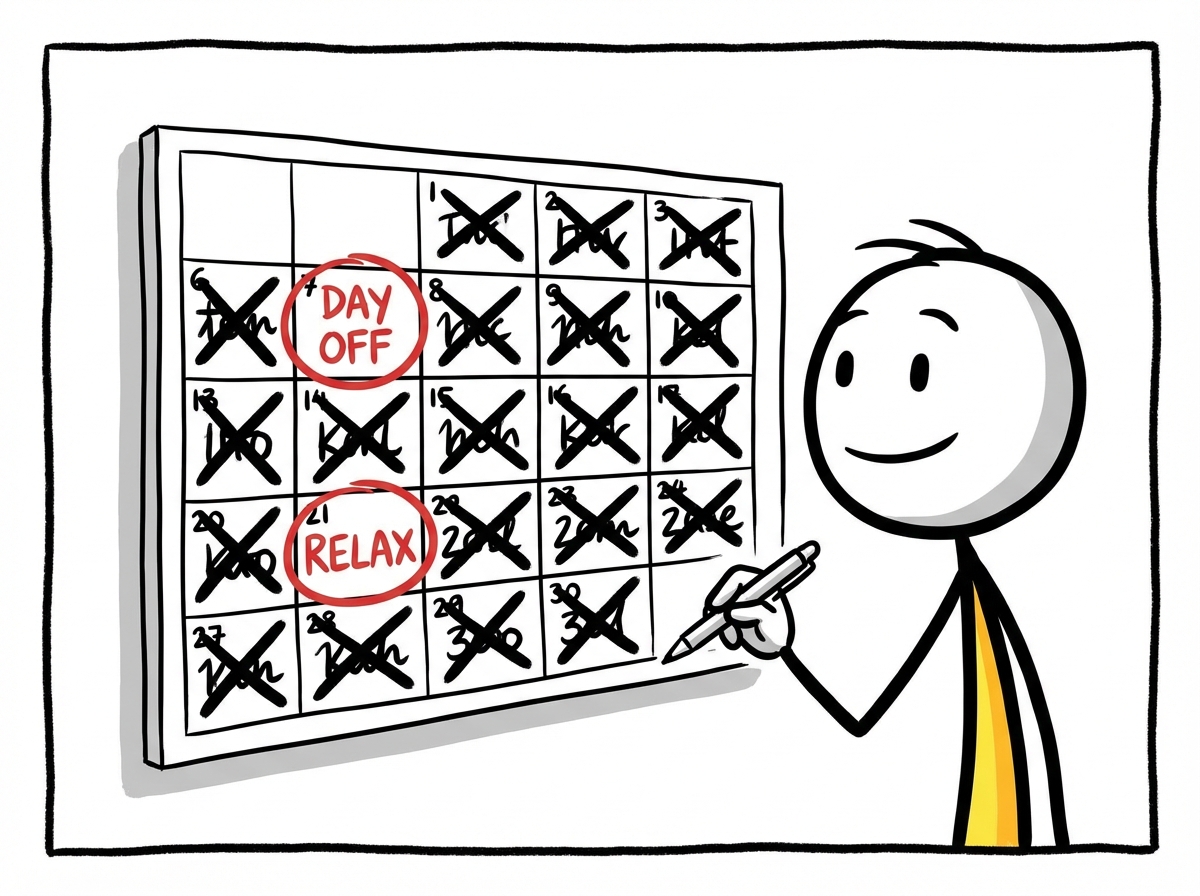
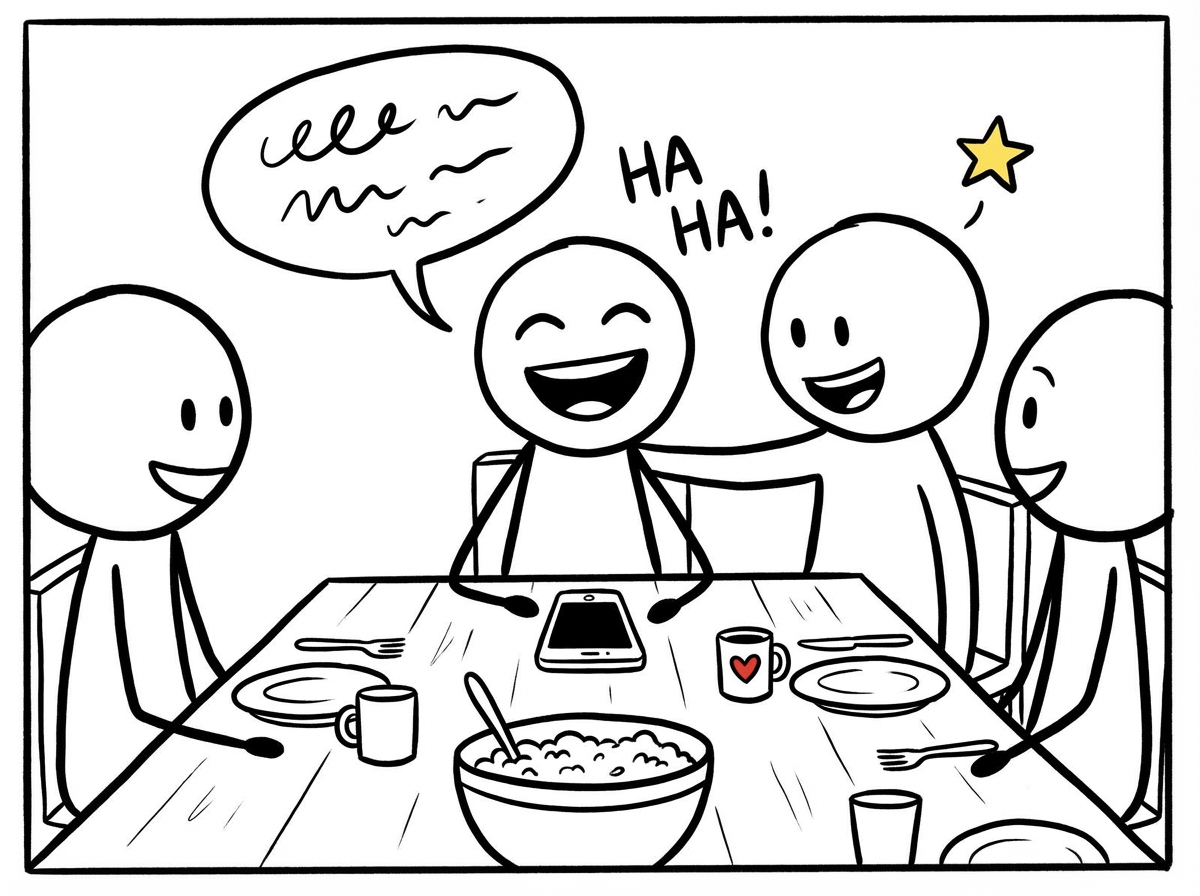
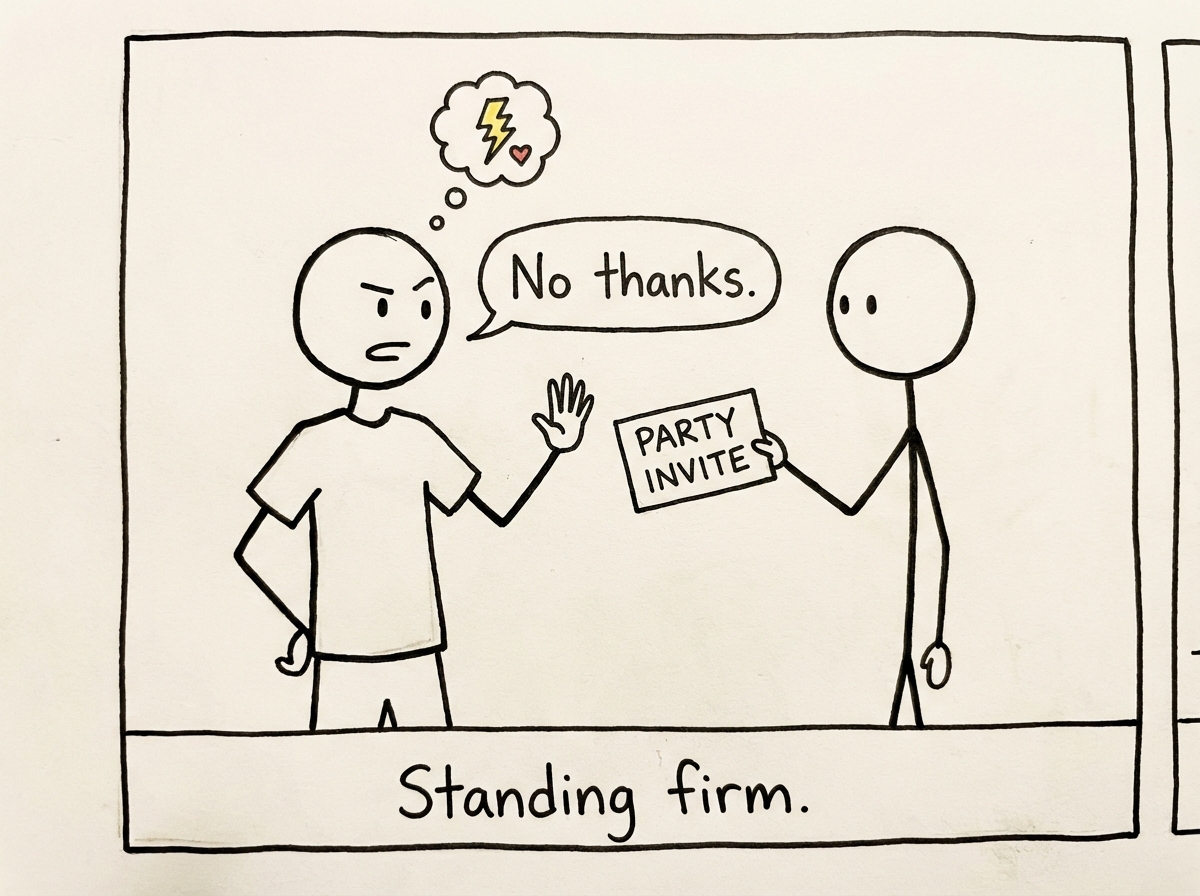
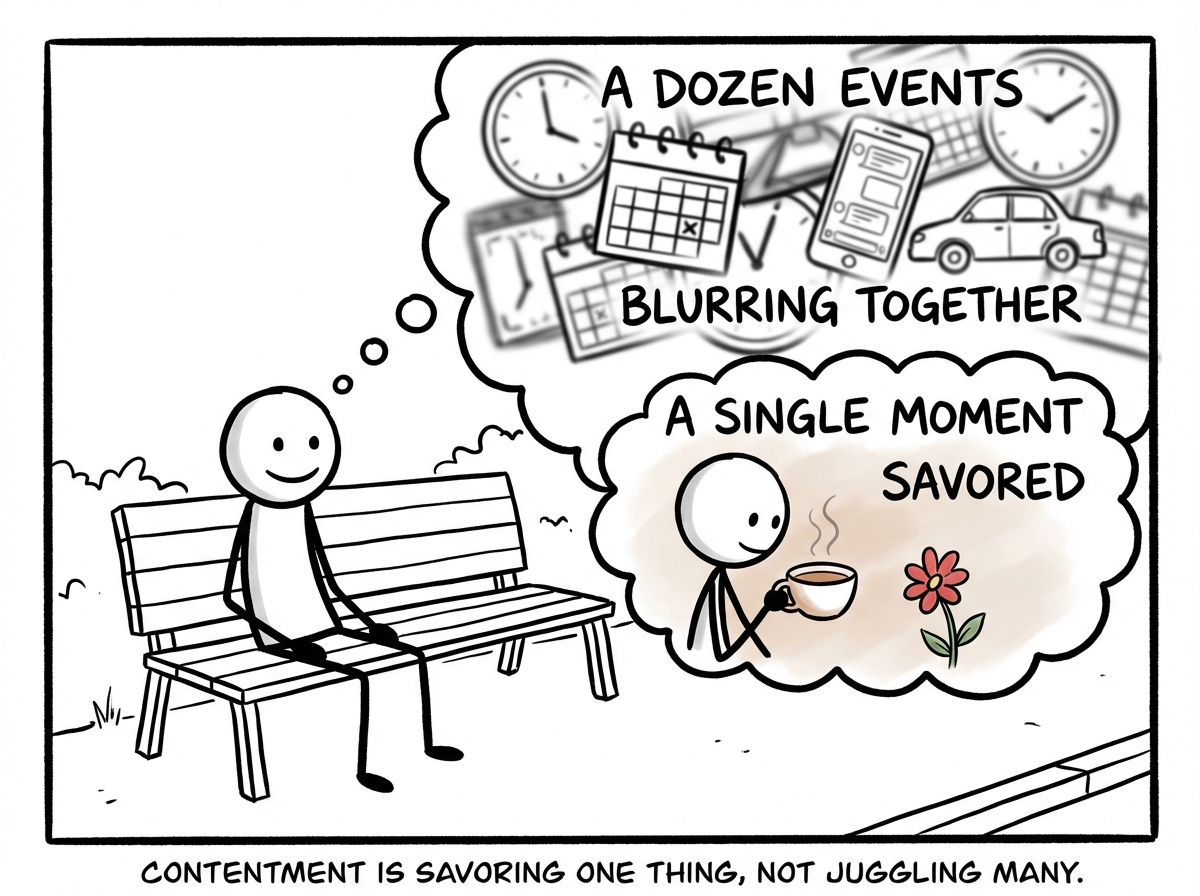
You say yes to the party. And the brunch. And the concert. And the dinner. Your calendar looks like a hostage negotiation with your own free time. On paper, you are living your best life -- social, active, in demand. But in practice, something strange is happening. At the party, you are thinking about the concert. At the concert, you are posting a story to prove you were there. At brunch, you are already anxious about dinner. You are everywhere and nowhere at the same time. This is the FOMO loop: the fear of missing out drives you to say yes to everything, but the overstimulation ensures you are fully present for none of it. Psychologically, FOMO exploits a vulnerability in how we evaluate experiences. Research by Przybylski and colleagues found that FOMO is linked to lower need satisfaction -- particularly the needs for competence, autonomy, and relatedness described in self-determination theory. When those needs are unmet, you try to fill the gap by accumulating experiences rather than deepening them. The logic feels sound: if I go to more things, I will feel more connected. But connection requires presence, and presence requires saying no to something else. You cannot be deeply engaged in a conversation if part of your brain is calculating whether you should be somewhere else instead. Breaking the FOMO loop starts with one terrifying act: saying no. Not because you do not want to go, but because you want to actually experience the things you say yes to. The first time you say no and sit with the discomfort -- the imagined fun you are missing, the stories you will not be part of -- it will feel like loss. But what you gain is something FOMO can never deliver: the experience of being fully, undividedly where you are.
Key Takeaway
Saying yes to everything out of FOMO guarantees you will be present for nothing -- real connection requires the courage to say no.