The Loneliness Behind the Memes
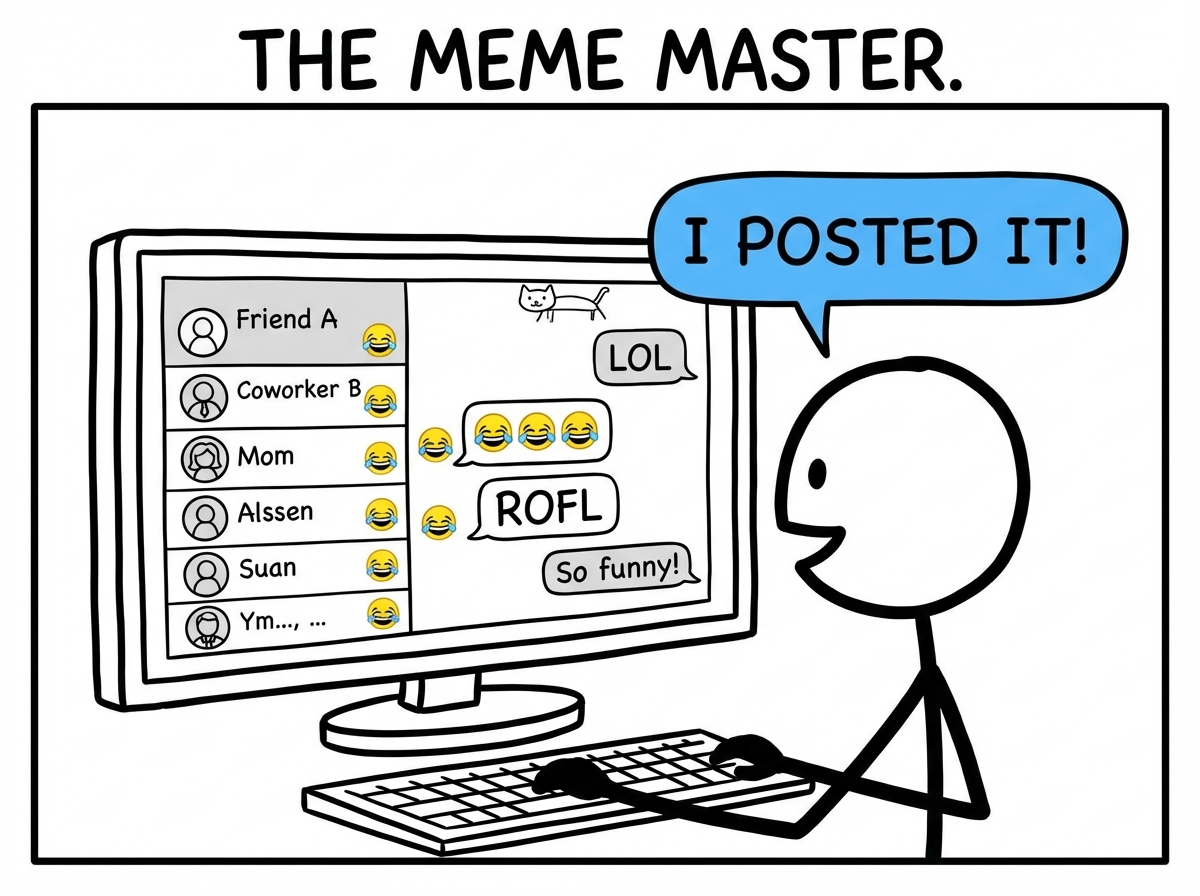
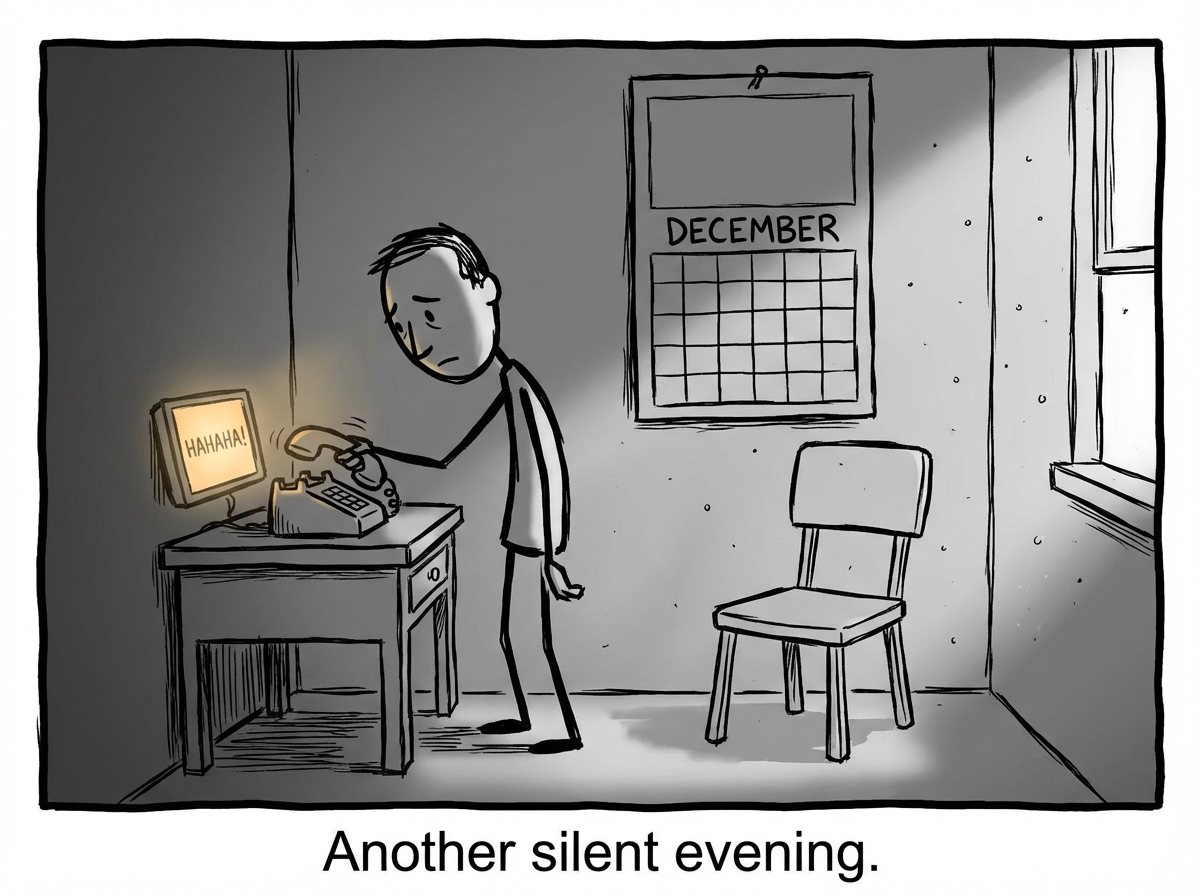
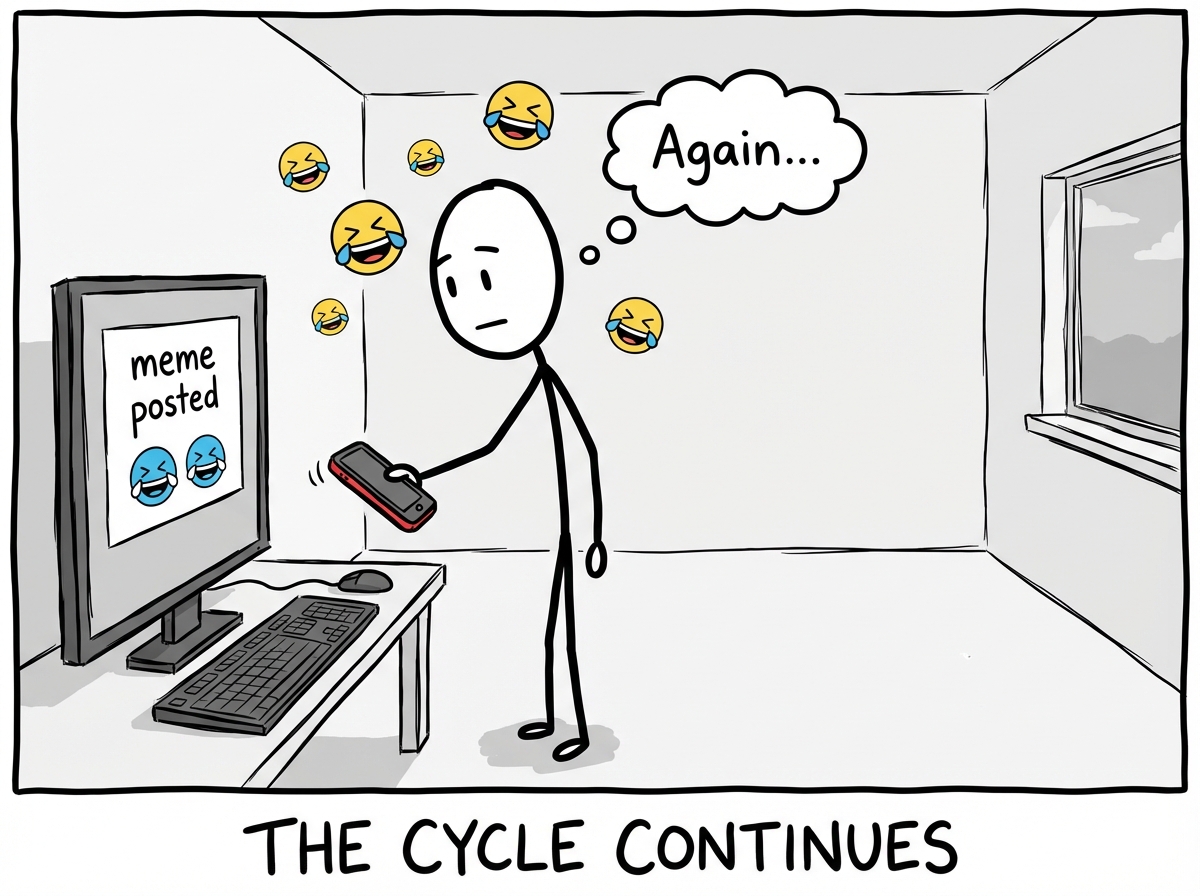
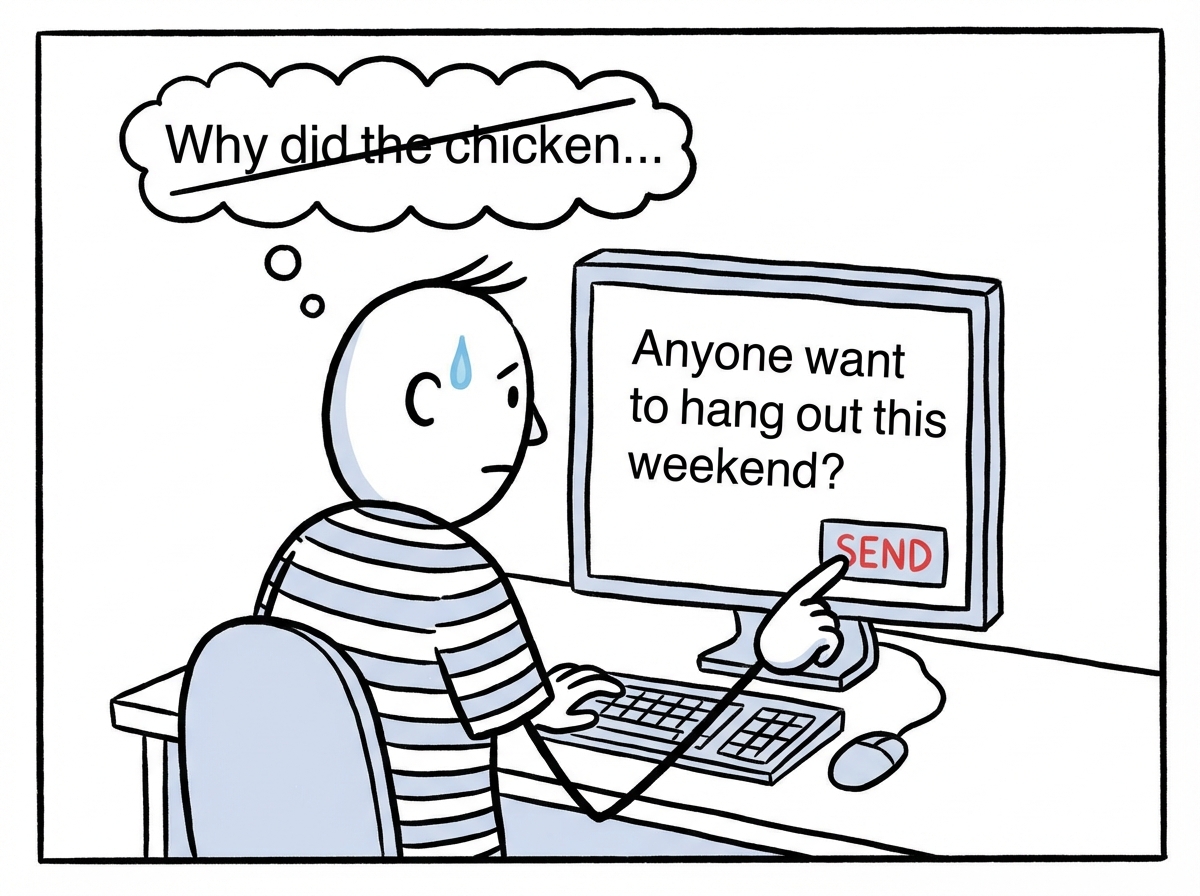
A man connects online through humor and memes but is deeply isolated offline -- until he sends the hardest message of his life: an honest invitation to hang out.
Explanation
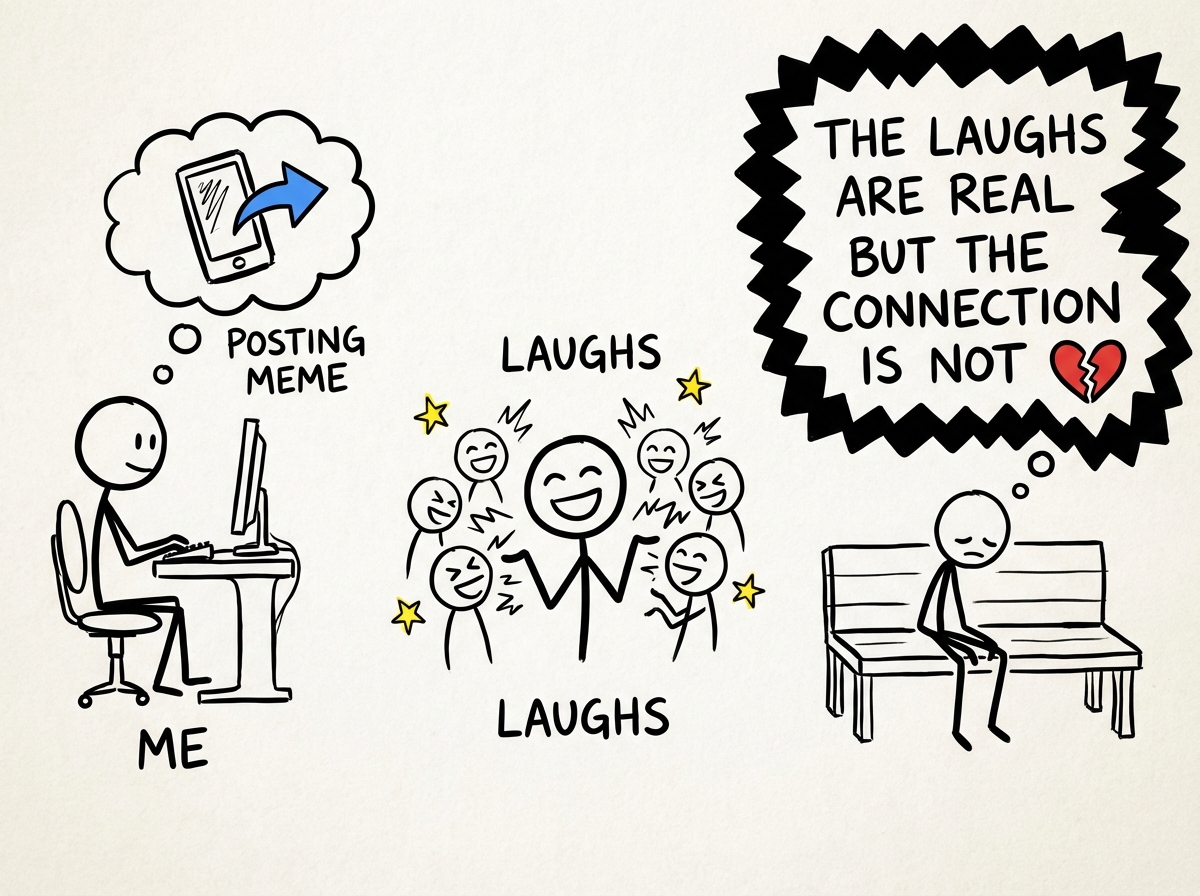
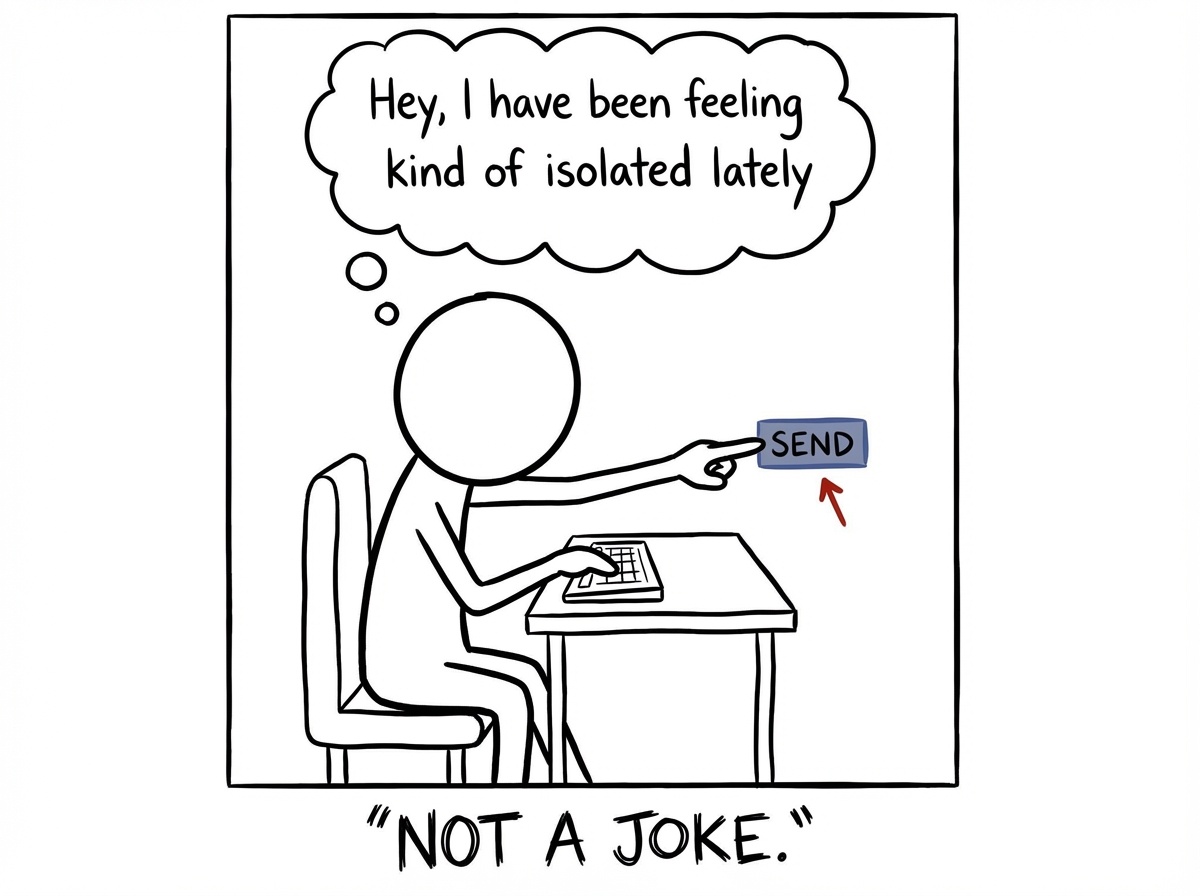
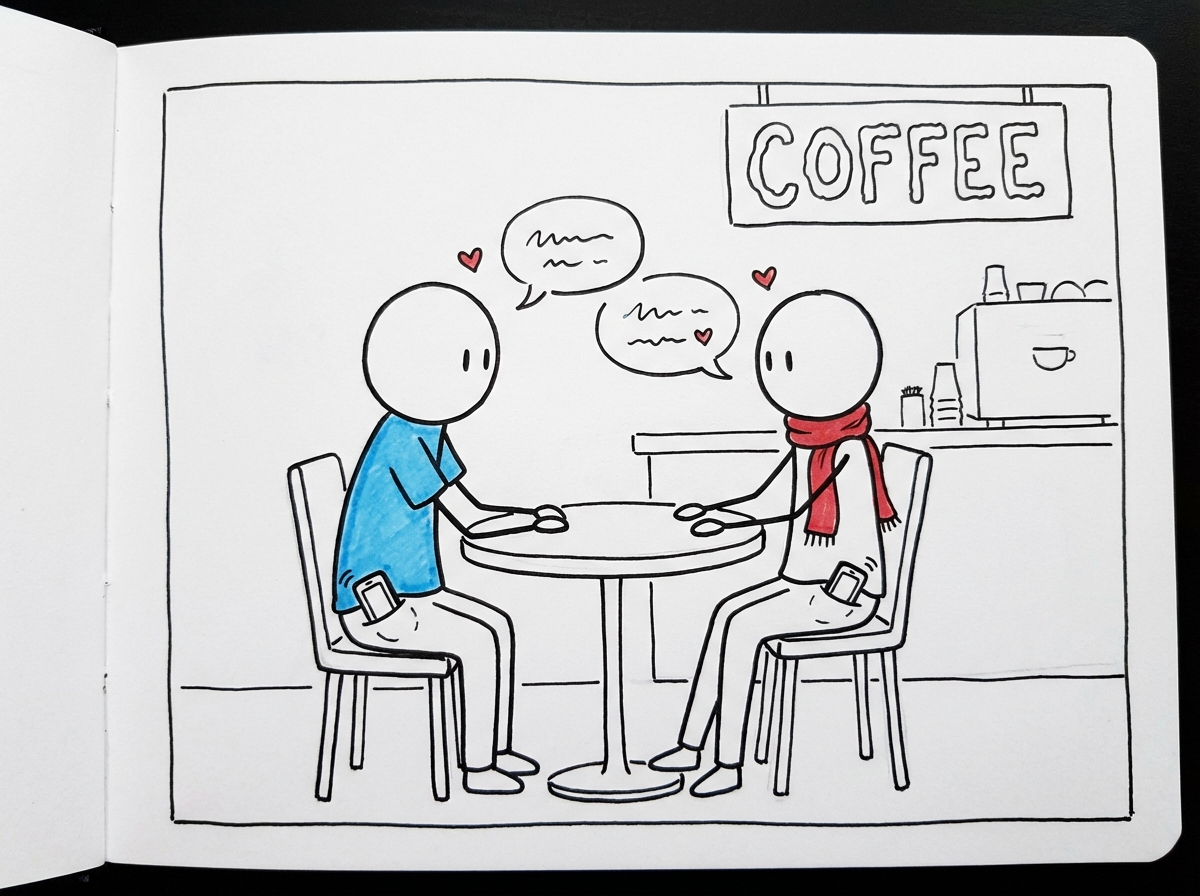
The meme lands perfectly. Laughing emojis fill the group chat. You are funny, you are liked, you are the person who keeps the conversation going. Then you put the phone down and the room is quiet. No one is coming over. No one is calling. The connection that felt real thirty seconds ago evaporates because it was never the kind that could survive outside a screen. For many men, humor is the only socially acceptable form of emotional expression. You can be funny about your pain, you can joke about being lonely, you can post a meme about having no friends -- but you cannot sincerely say 'I am lonely and I need someone.' The joke is the mask, and the mask works so well that nobody checks what is behind it. This pattern has deep roots. Research by Niobe Way at NYU found that boys in early adolescence describe intimate, emotionally close friendships -- but by late adolescence, cultural norms around masculinity have taught them to suppress those needs. The result is an epidemic of male loneliness that the American Psychological Association now identifies as a significant public health concern. Men are less likely to have close confidants, less likely to seek emotional support, and more likely to rely on romantic partners as their sole source of intimacy -- which puts enormous pressure on those relationships and leaves men devastated when they end. Social media offers a convincing simulation of connection. Group chats, meme exchanges, comment threads -- they all feel like belonging. But simulation is not the same as the real thing. Real connection requires vulnerability, and vulnerability requires saying something that is not wrapped in a joke. The hardest message this man sends is not the funniest meme -- it is the plain, undecorated question: 'Anyone want to hang out this weekend?' It is hard because it is honest, because it could be met with silence, and because it asks for something real in a space designed for performance. But it is also the only message that could actually change anything.
Key Takeaway
The meme gets laughs. The honest message gets connection. Send the one that scares you.