The Loneliness Behind the Memes
A man connects online through humor and memes but is deeply isolated offline -- until he sends the hardest message of his life: an honest invitation to hang out.

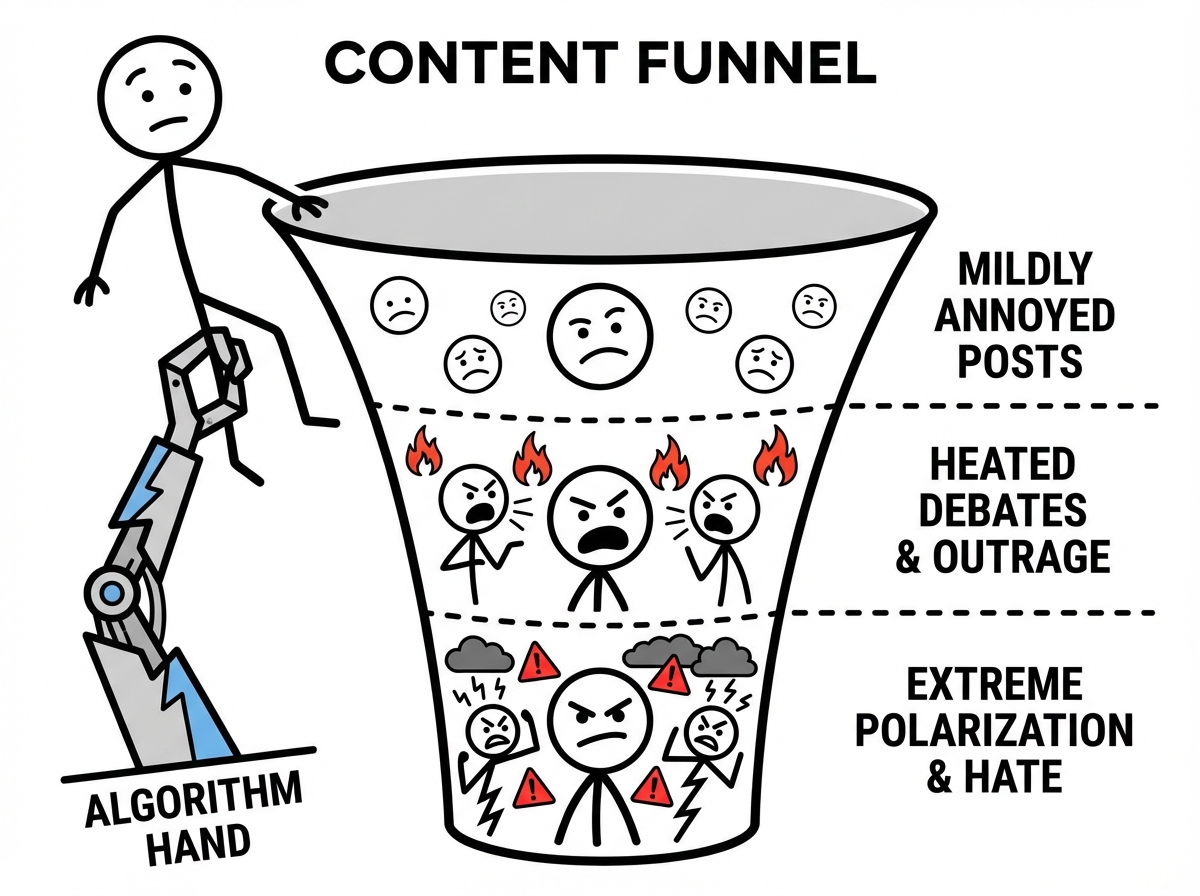
The algorithm learned that lonely men engage more when they are angry.
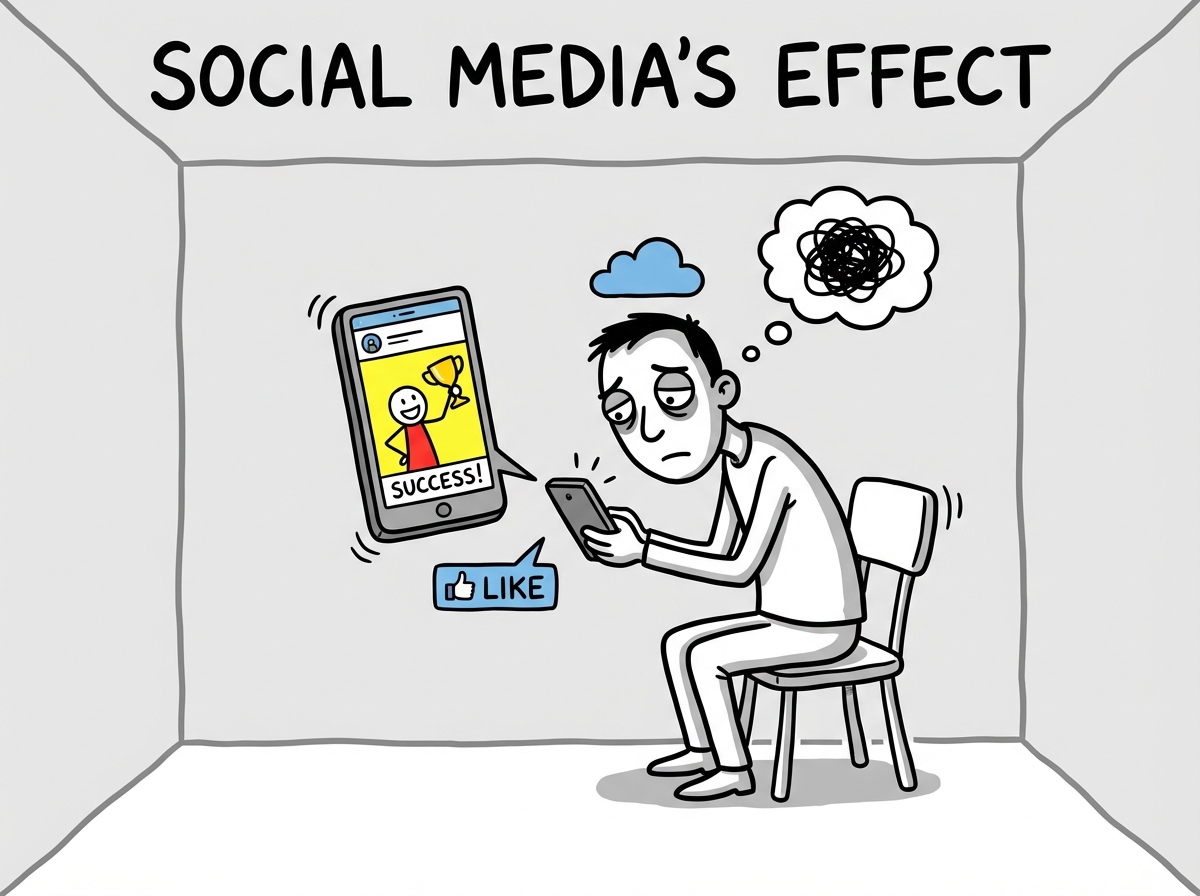
Social media affects men differently than it affects women, but the cultural silence around men's emotional lives makes the damage harder to see and easier to dismiss. For many men, social media has become a theater of success -- a stage where net worth, physique, sexual conquest, and relentless productivity are performed for an audience of other men doing the same thing. Hustle culture influencers dominate feeds with a simple message: if you are not grinding, you are losing. This maps directly onto traditional masculine norms that equate rest with weakness and vulnerability with failure. Niobe Way's longitudinal research on boys' friendships, published in Deep Secrets, documented something painful: young boys describe their close friendships in deeply emotional terms -- love, trust, need -- but by late adolescence, most have learned to suppress those feelings entirely, describing intimacy as "girly" or "gay." Social media accelerates this emotional foreclosure by rewarding stoicism, aggression, and dominance while punishing openness. Loneliness among men has reached what some researchers call epidemic levels, yet the loneliness is often masked by memes, ironic detachment, and parasocial relationships with streamers and content creators that simulate connection without requiring vulnerability. Perhaps most concerning is the algorithmic radicalization pipeline: platforms learn that emotionally isolated young men engage intensely with content that validates their frustration and offers simple explanations for complex pain -- and the algorithm serves more of it, pulling them toward increasingly extreme ideologies. The men who fall into these pipelines are not born hateful. They are often lonely, confused, and looking for someone to tell them they matter. The tragedy is that the platform found them first. Understanding how social media exploits masculine norms is not about blaming men for struggling -- it is about recognizing that the system was designed to profit from their silence.
The algorithm learned that lonely men engage more when they are angry -- and it will keep feeding that cycle until someone offers a better path.
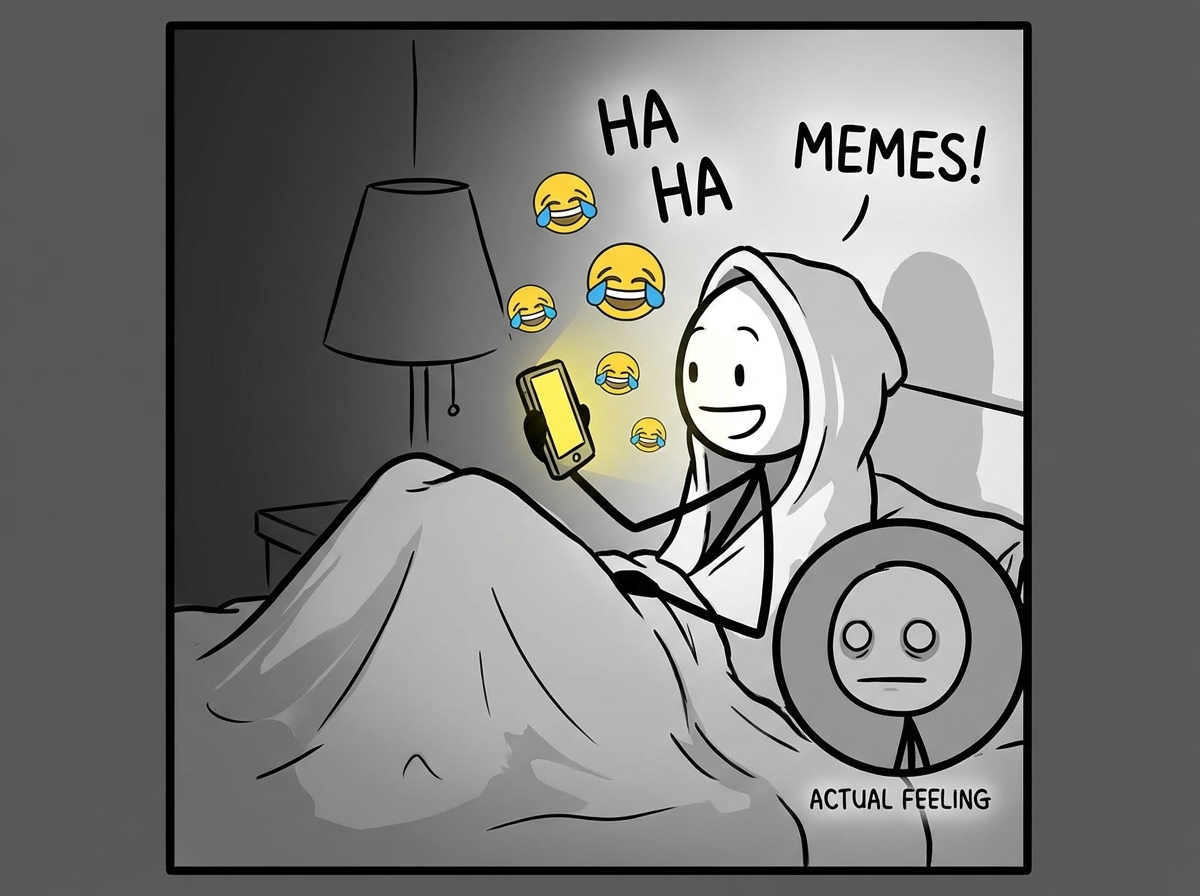
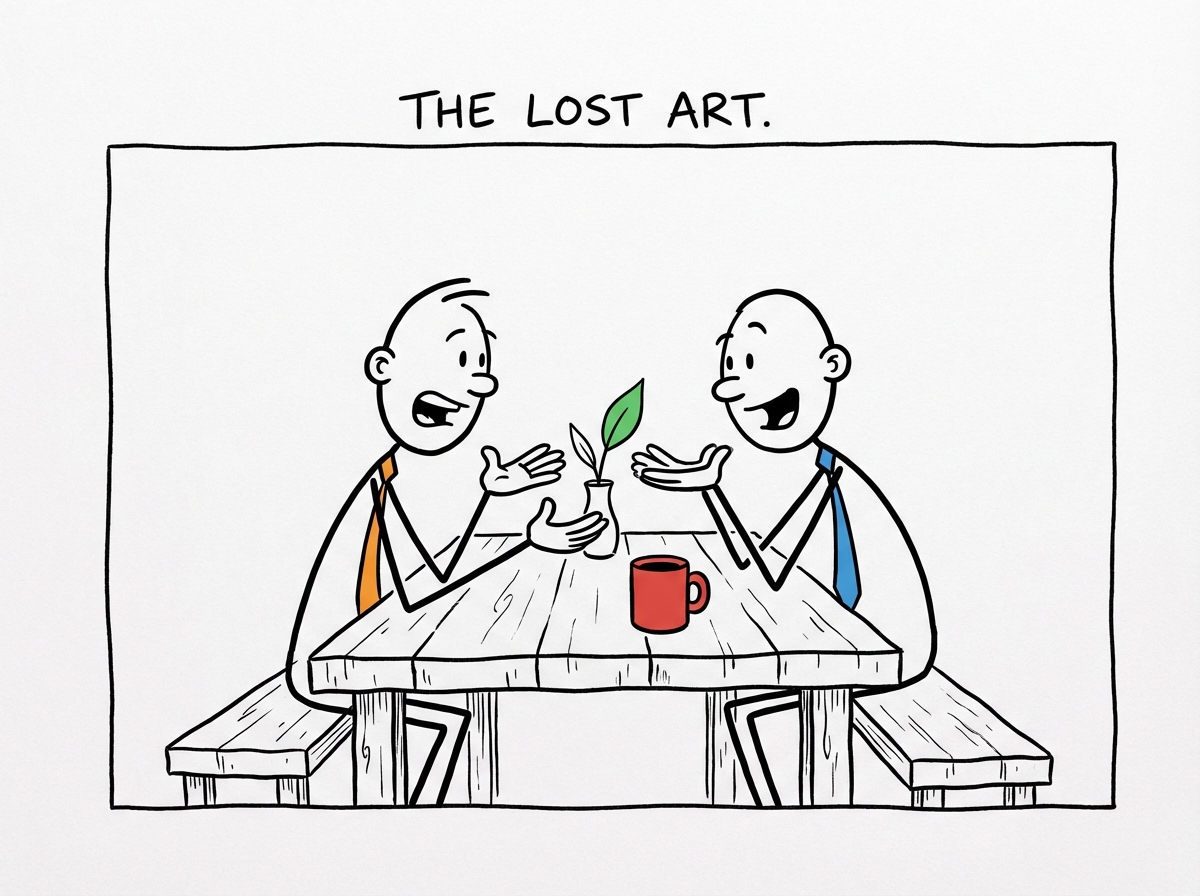
A man connects online through humor and memes but is deeply isolated offline -- until he sends the hardest message of his life: an honest invitation to hang out.
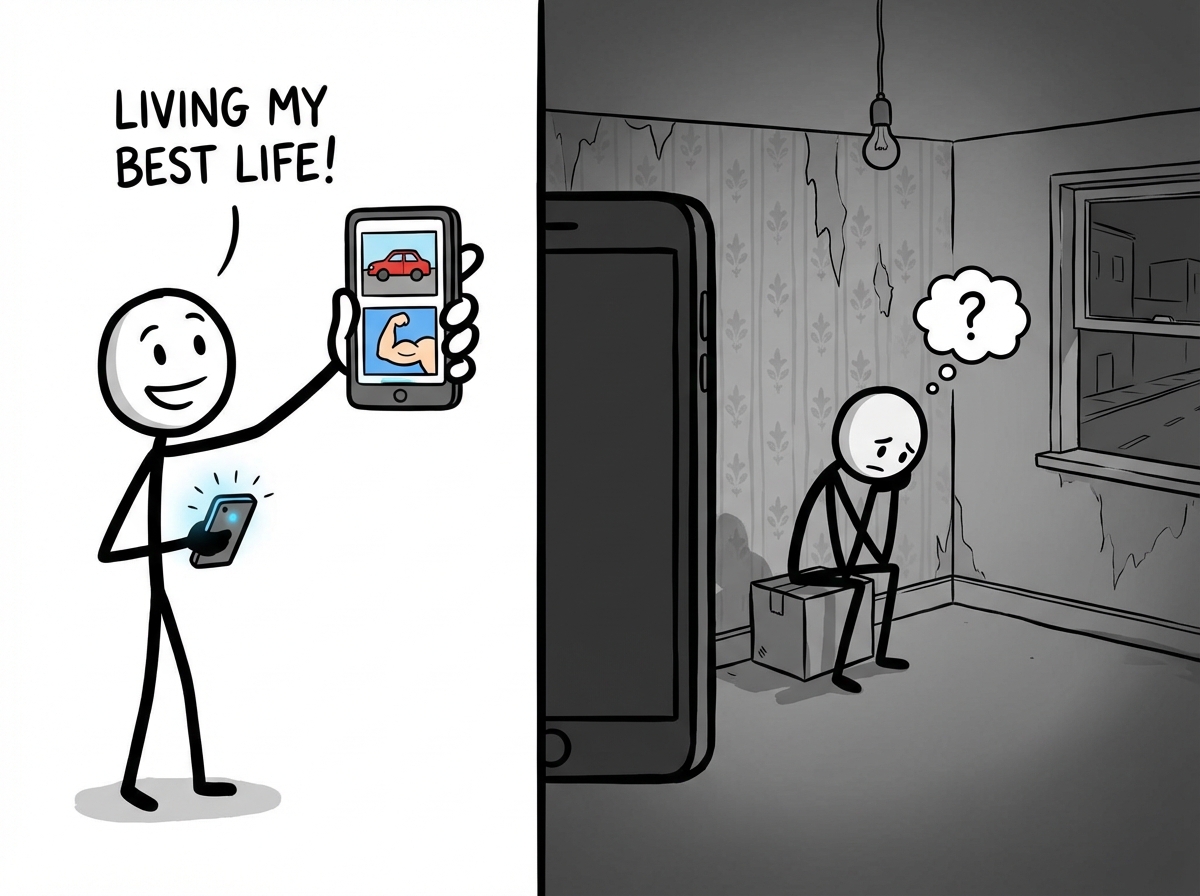
A man performs success online -- gym selfies and hustle quotes -- while struggling privately with exhaustion and loneliness, until he drops the performance and reaches out to a friend.