The One-Sided Friendship
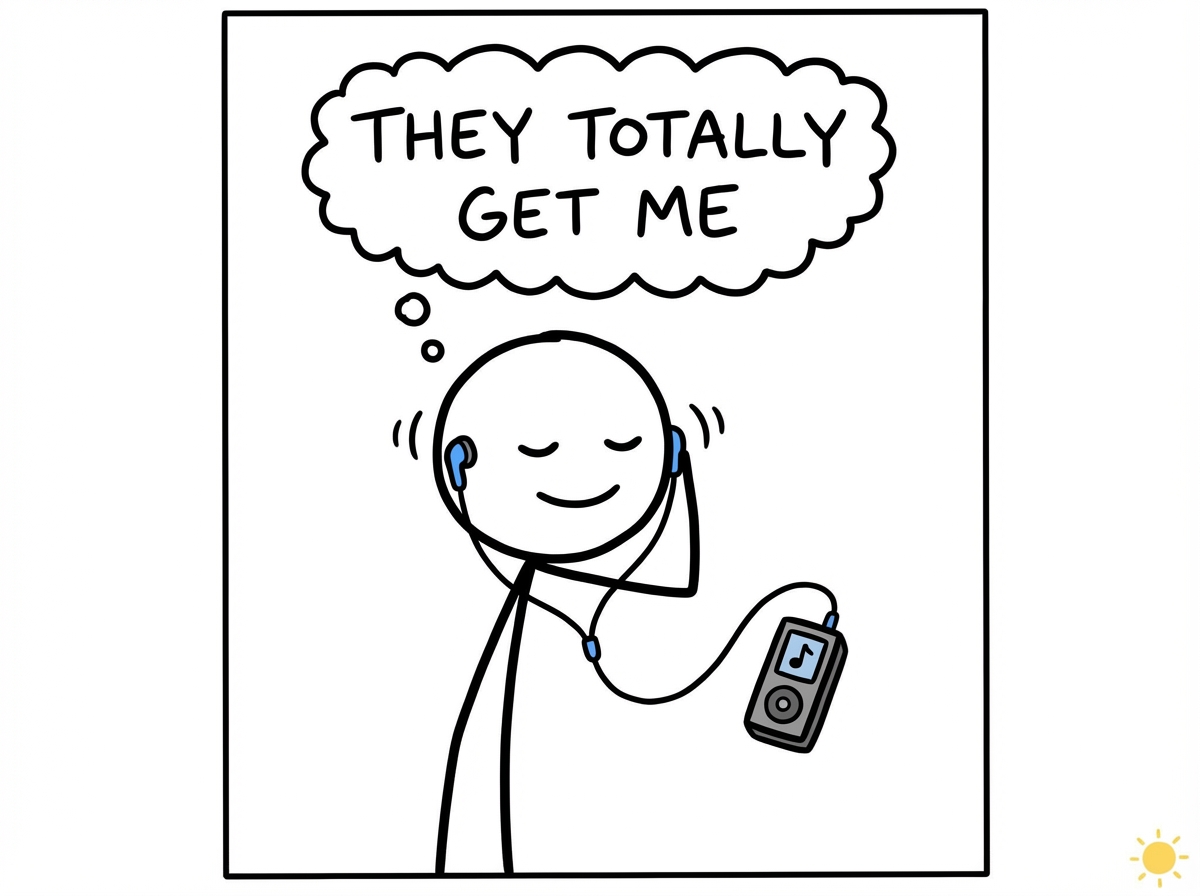
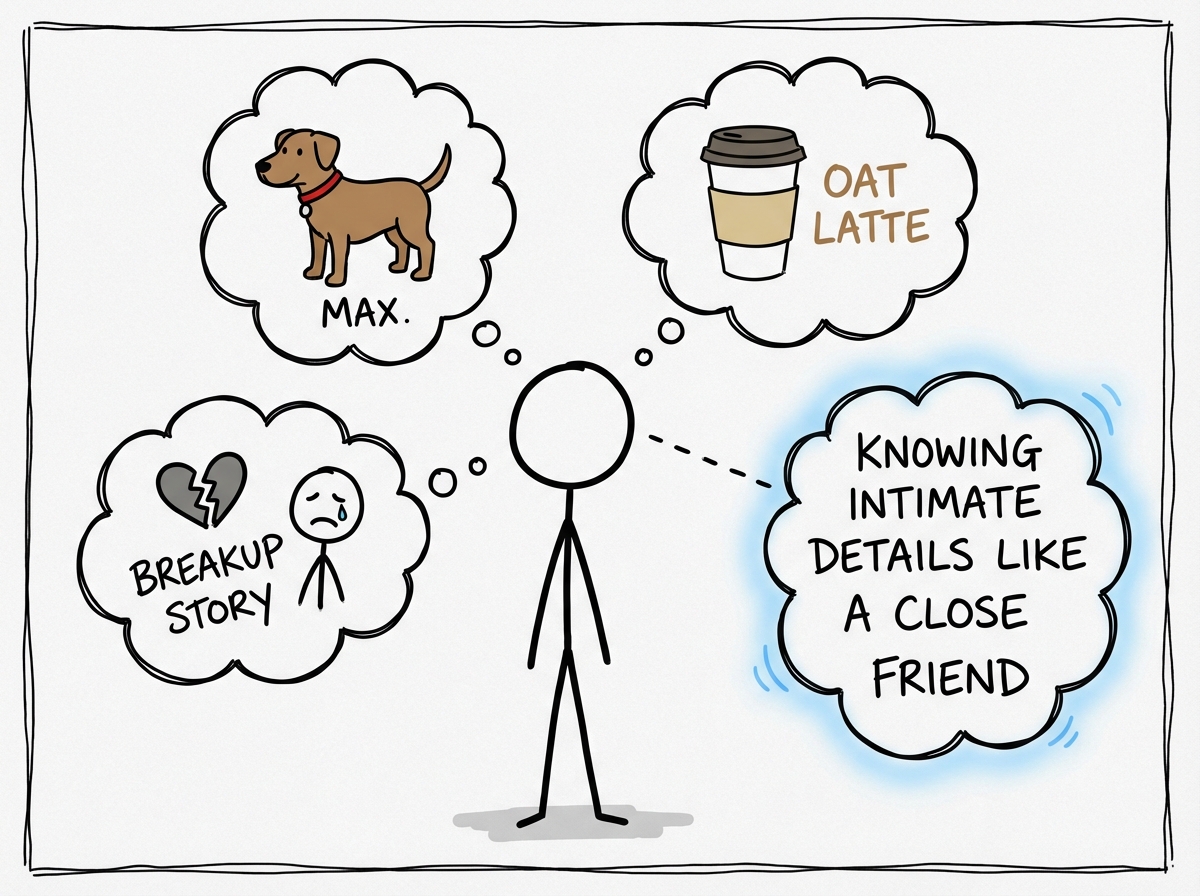
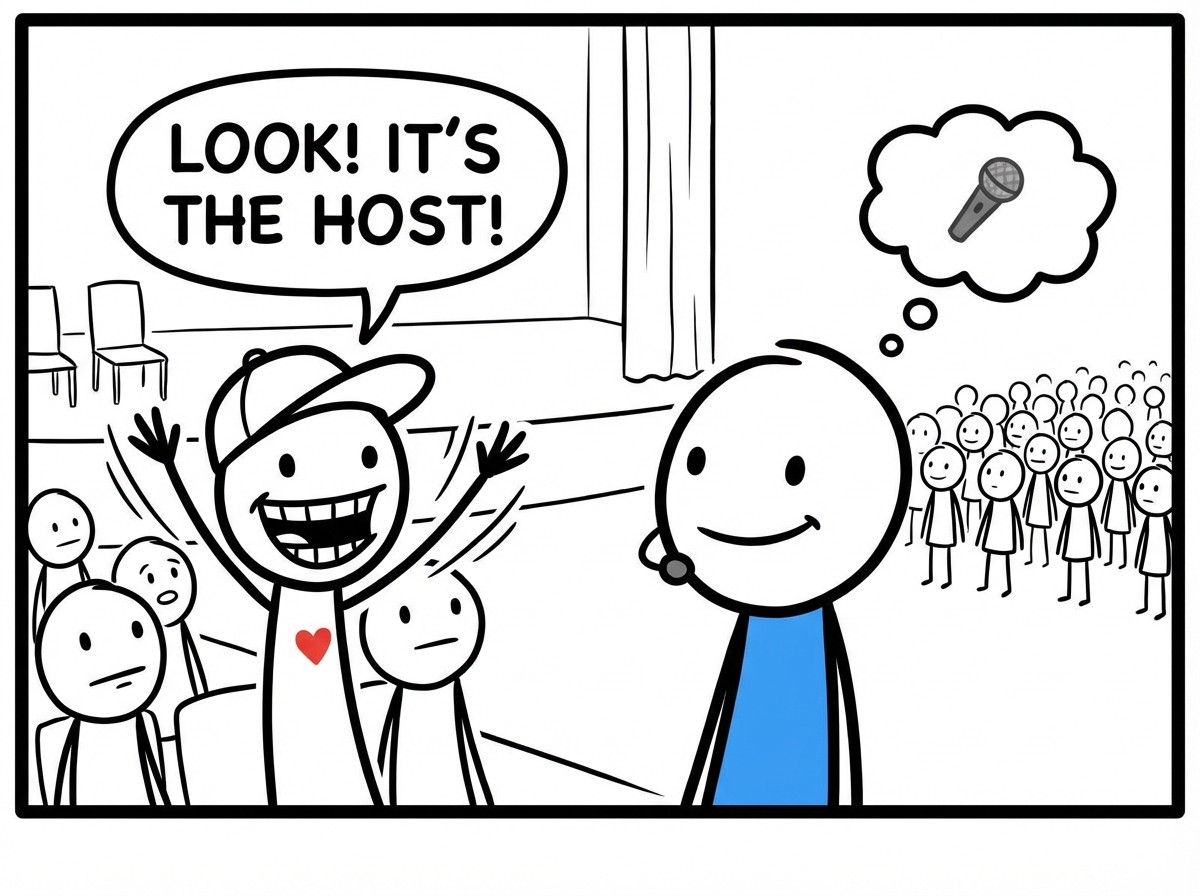
A person feels deeply connected to a podcast host who does not know they exist, and a chance real-life encounter reveals the painful asymmetry.
Explanation
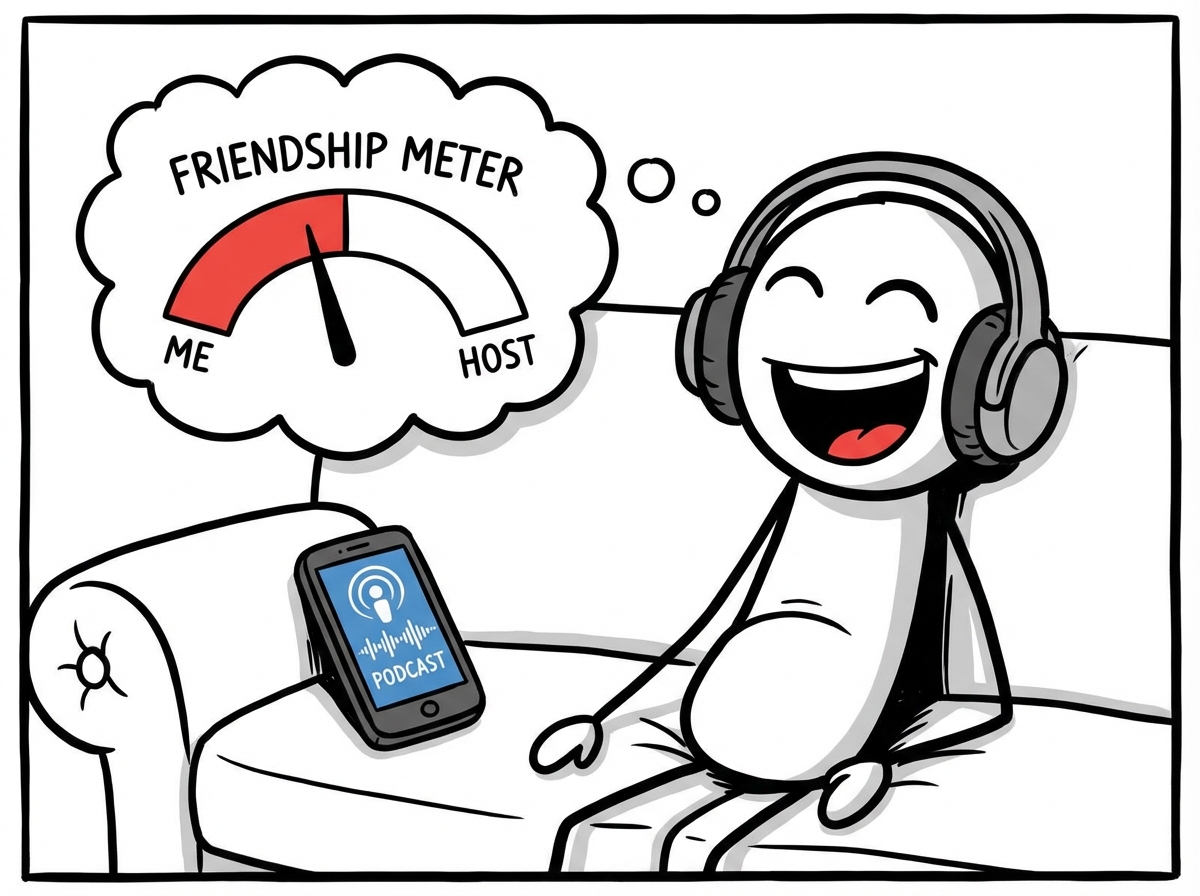
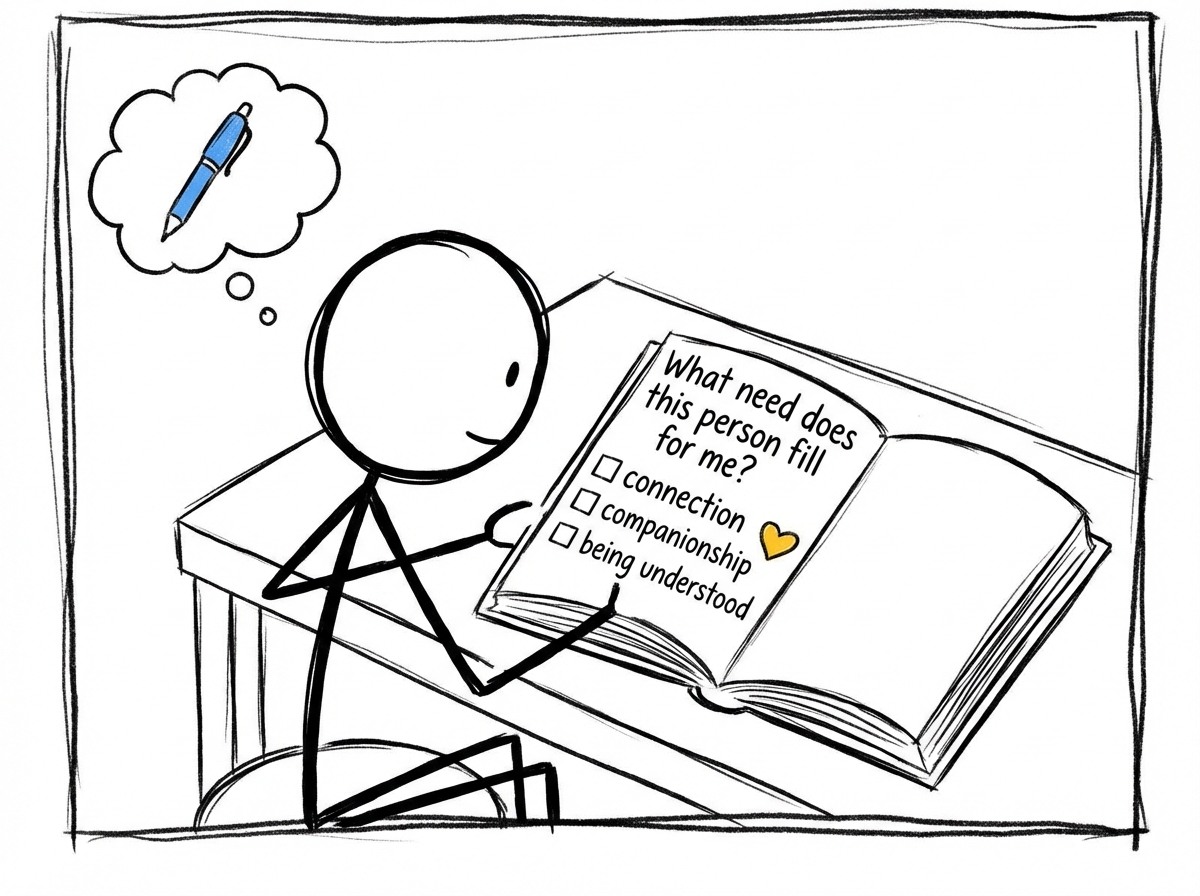
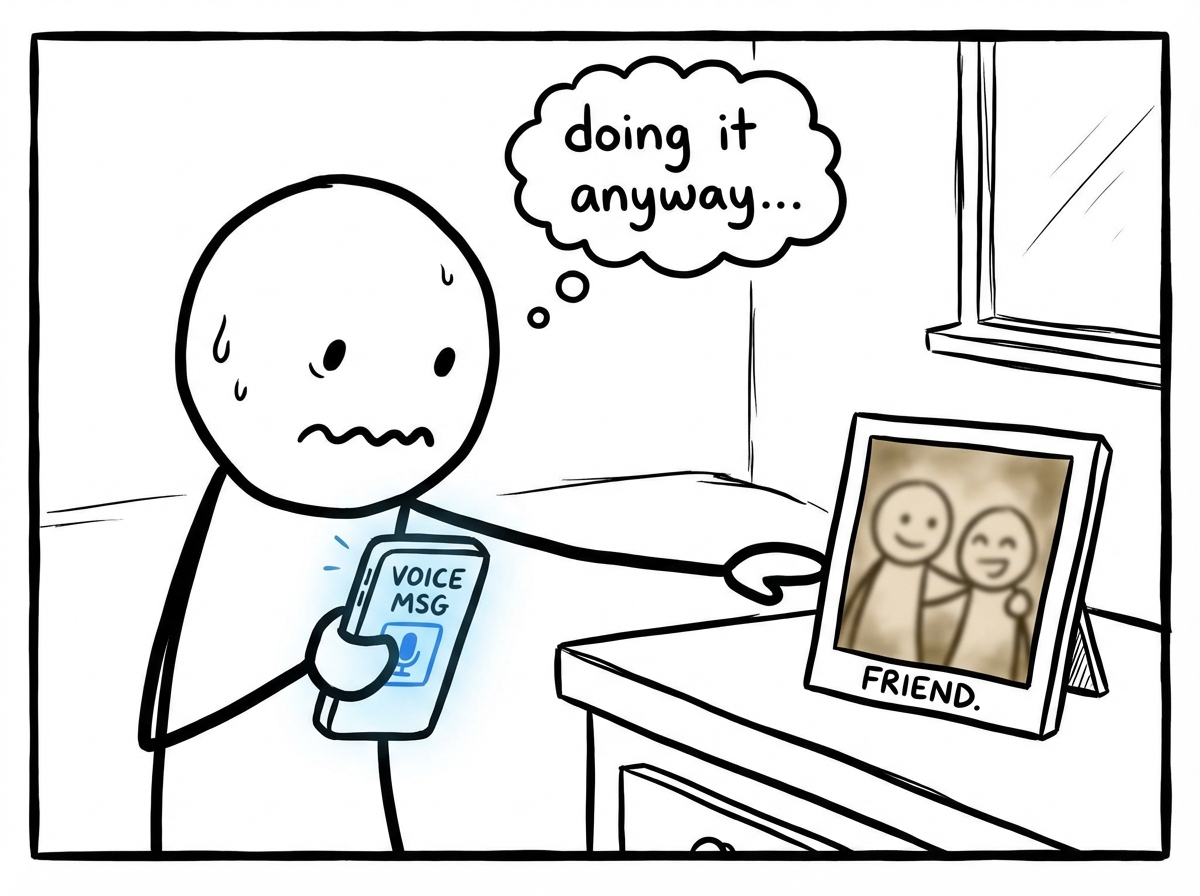
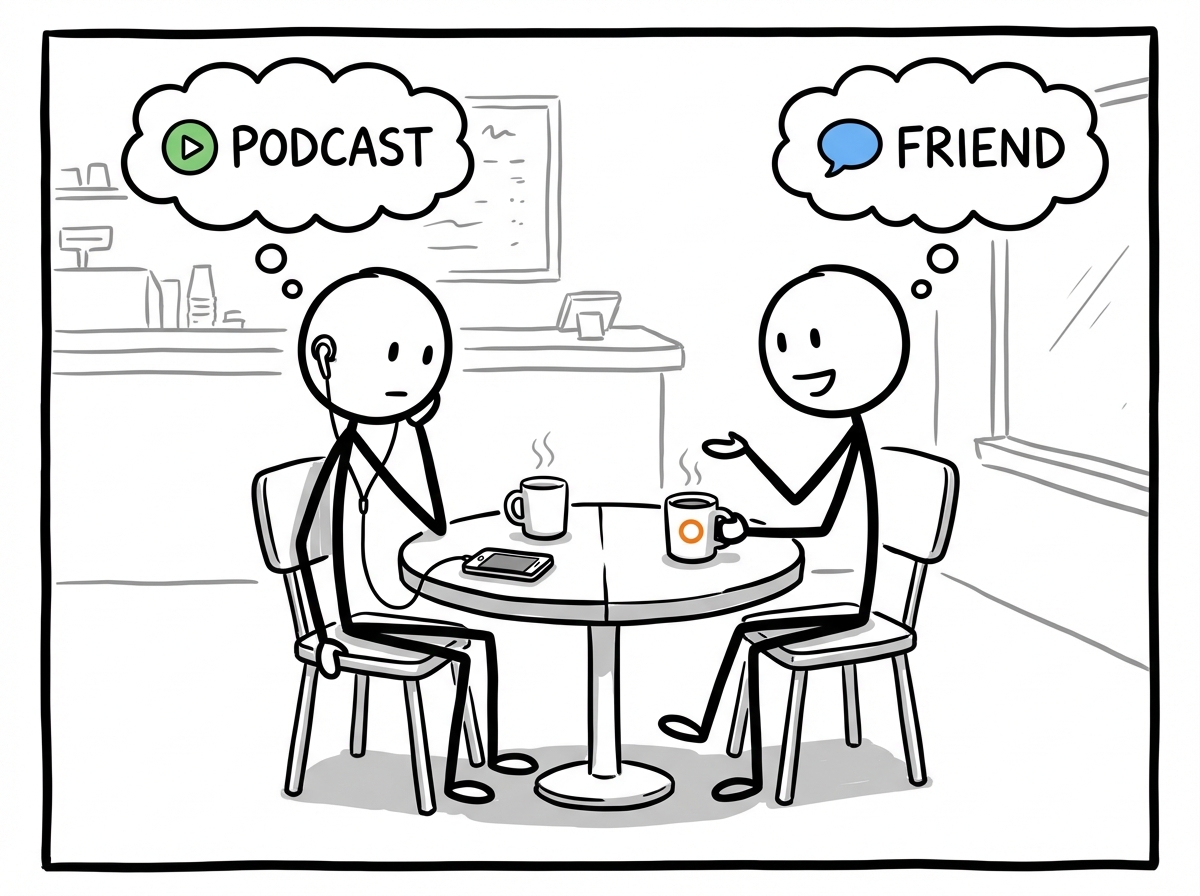
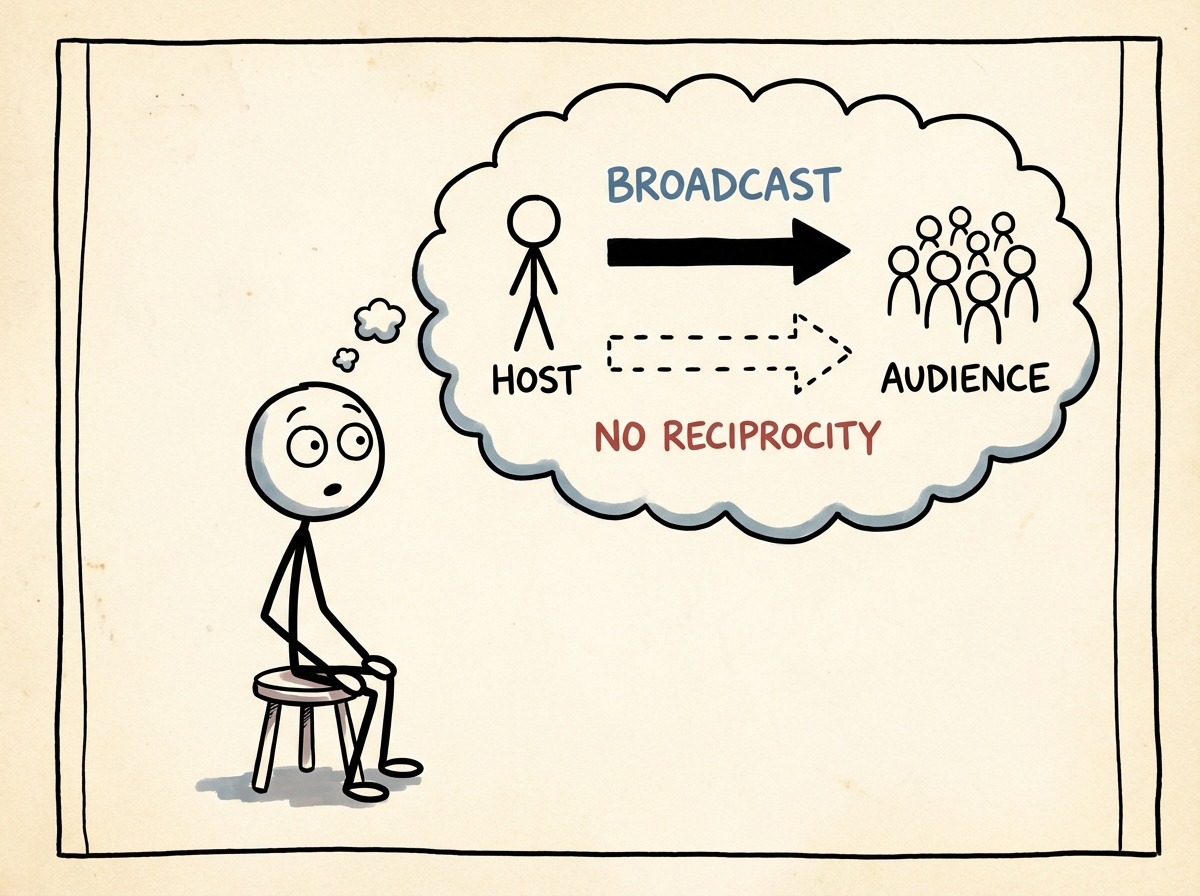
You listen to them every morning. You know their dog's name, their coffee order, the story of their worst breakup. They have gotten you through commutes, workouts, and sleepless nights. When they laugh, you laugh. When they are vulnerable, you feel protective. They get you -- really, truly get you. Except they do not know you exist. This is a parasocial relationship, and it is one of the most psychologically fascinating phenomena of the digital age. The term was coined by Horton and Wohl in 1956, but social media and podcasting have supercharged it into something their research could never have predicted. Parasocial relationships are not inherently unhealthy. They can provide comfort, a sense of belonging, and even model healthy emotional expression. The problem arises when the relationship starts to substitute for -- rather than supplement -- real human connection. When you know everything about someone who knows nothing about you, it creates an illusion of intimacy that feels real but lacks the reciprocity that actual relationships require. You are doing all the emotional labor of a friendship -- listening, empathizing, caring -- without receiving any of the repair, negotiation, and mutual vulnerability that makes real relationships transformative. The moment of clarity often comes with a jolt. You see the person in real life, wave excitedly, and they smile politely at a stranger. Because that is what you are to them -- a stranger. This does not mean the comfort you felt was fake. It means you were getting real emotional nourishment from a one-way source, and that is worth examining. What need was this relationship filling? Connection? Companionship? The feeling of being understood? Those are real needs -- and they deserve real, reciprocal relationships to meet them.
Key Takeaway
Parasocial relationships feel like intimacy, but they lack the reciprocity that makes real connection transformative -- the needs they fill deserve real relationships too.