The Influencer Grief
A person mourns the sudden disappearance of a creator they followed daily, and through the grief discovers what emotional need that daily ritual was really filling.

Feeling close to someone who does not know you exist.
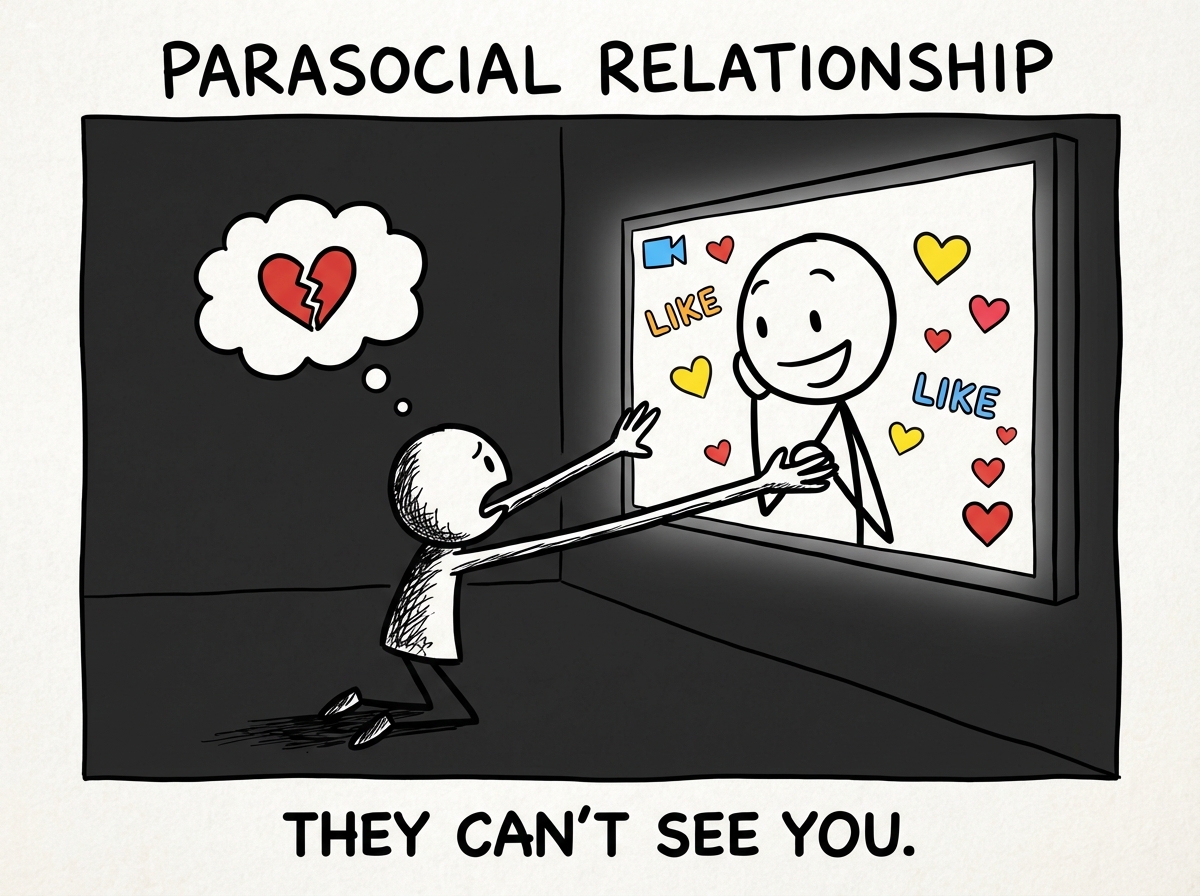
A parasocial relationship is a one-sided emotional bond where you invest real feelings -- trust, affection, loyalty, even love -- into someone who has no idea who you are. The concept was first described by psychologists Donald Horton and Richard Wohl in 1956, who noticed that television viewers developed a sense of intimacy with on-screen personalities that mimicked the dynamics of real friendships. Back then, it was talk show hosts and news anchors. Today, it is influencers, streamers, podcasters, and YouTubers -- people who speak directly into your ears and eyes with a warmth and consistency that can feel more reliable than some of your actual relationships. The modern parasocial landscape is uniquely potent because creators are trained to simulate intimacy at scale. They share vulnerabilities, respond to comments, use your first name, and build narrative arcs that make you feel like you are growing alongside them. Your brain processes these cues using the same social bonding mechanisms it uses for real relationships -- mirror neurons fire, oxytocin flows, attachment systems activate. The result is that you can genuinely grieve when a creator stops posting, feel betrayed when they do something you disagree with, or feel a loyalty so fierce it resembles defending a close friend. None of this makes you foolish. It makes you human. Parasocial bonds become problematic not because they exist, but when they substitute for reciprocal connection -- when the warmth of a one-sided relationship becomes so comfortable that you stop risking the vulnerability required to build real ones. The question is not whether you care about someone who does not know you. The question is whether that caring has become a way to avoid the mess and uncertainty of being known in return.
The bond you feel is real -- but it only flows one direction, and it cannot replace the risk of being known by someone who actually knows your name.
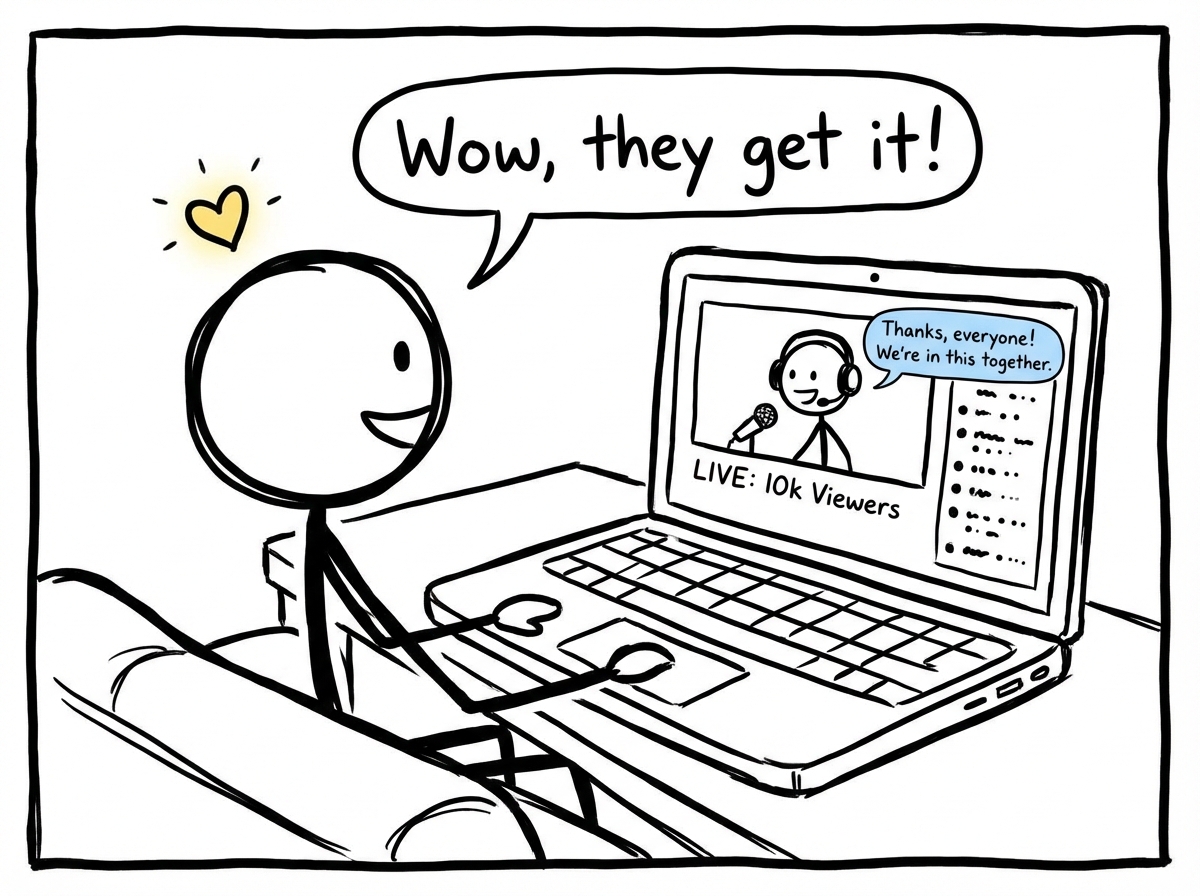
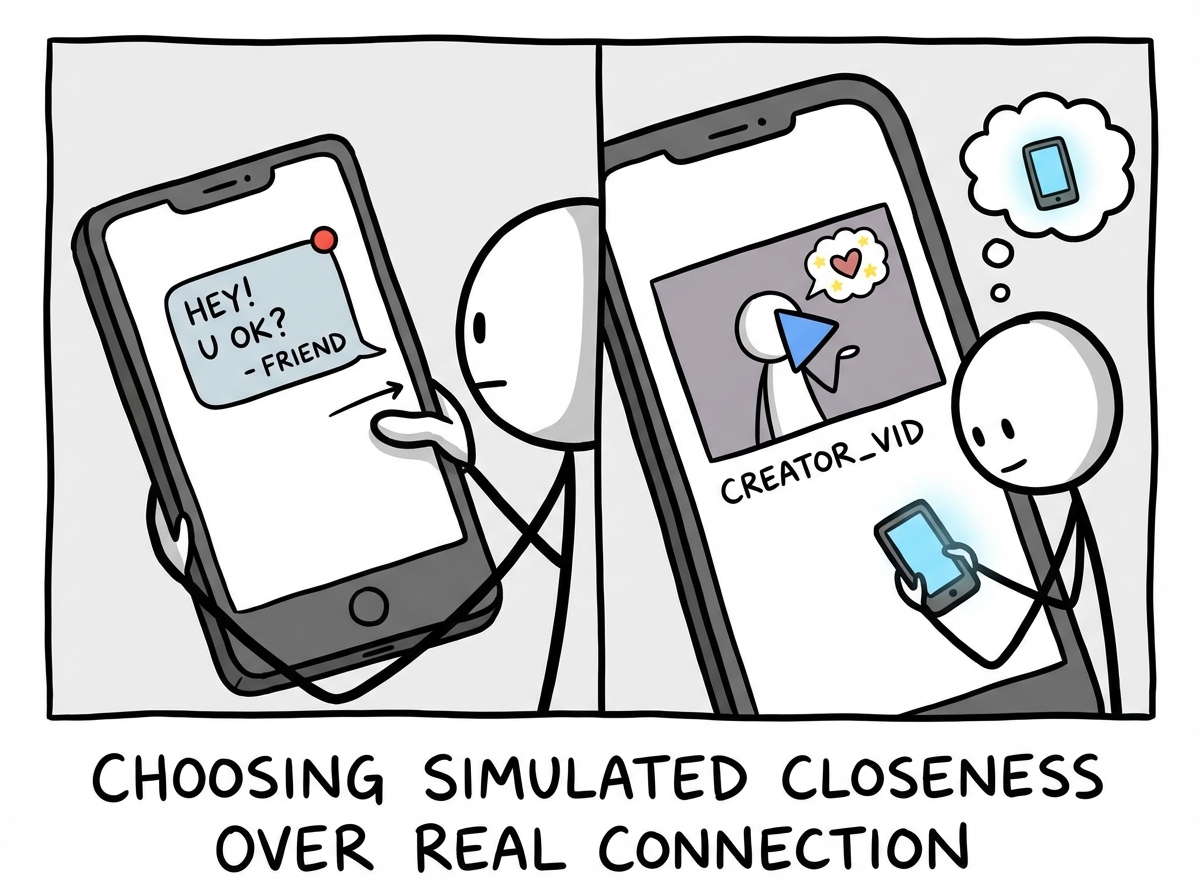
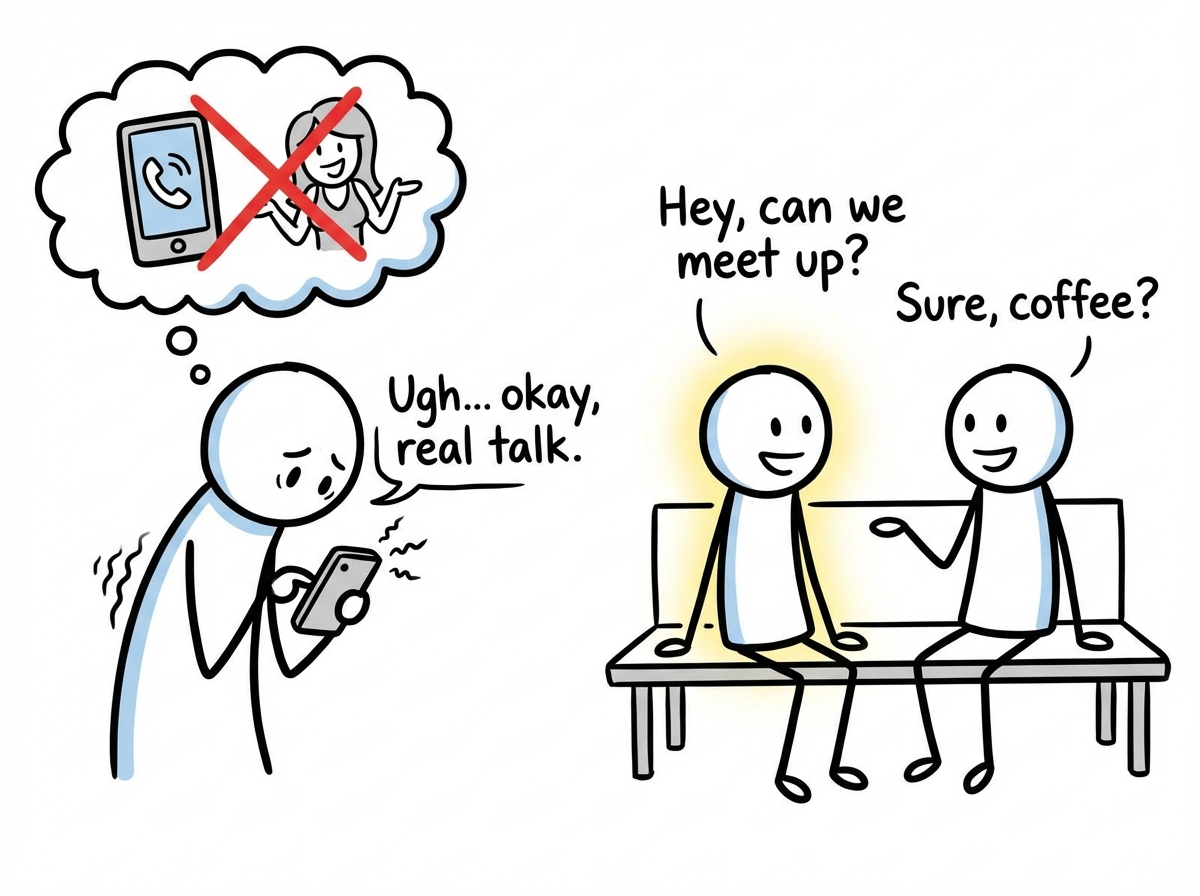
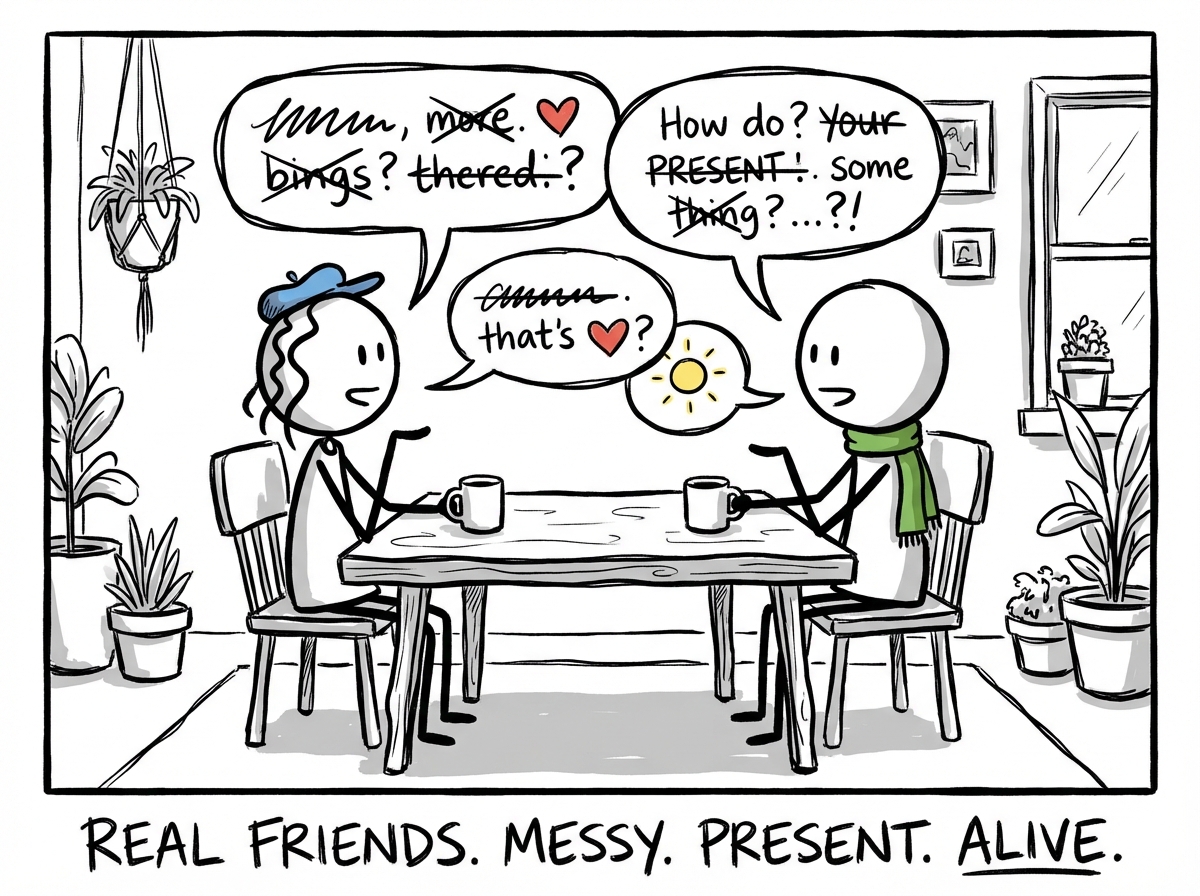
A person mourns the sudden disappearance of a creator they followed daily, and through the grief discovers what emotional need that daily ritual was really filling.
A person feels deeply connected to a podcast host who does not know they exist, and a chance real-life encounter reveals the painful asymmetry.