The Phantom Vibration
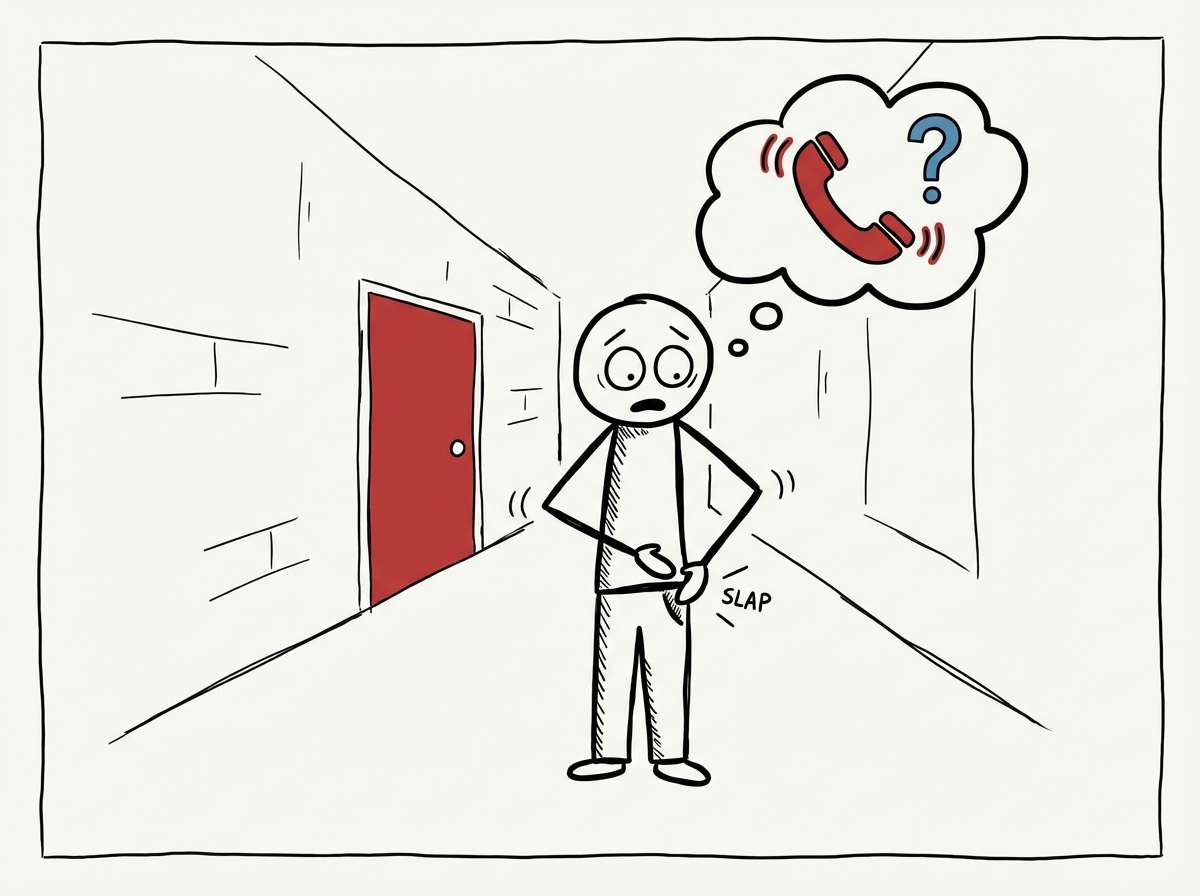
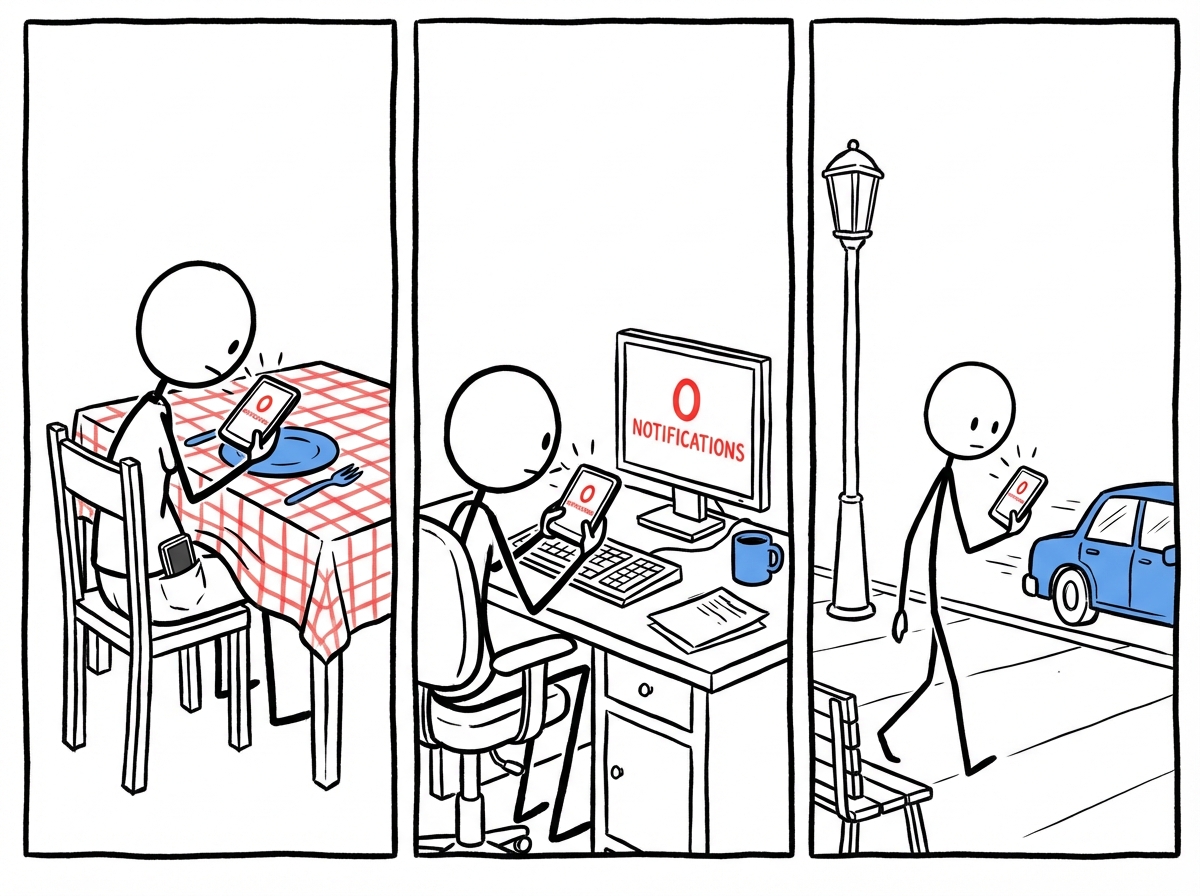
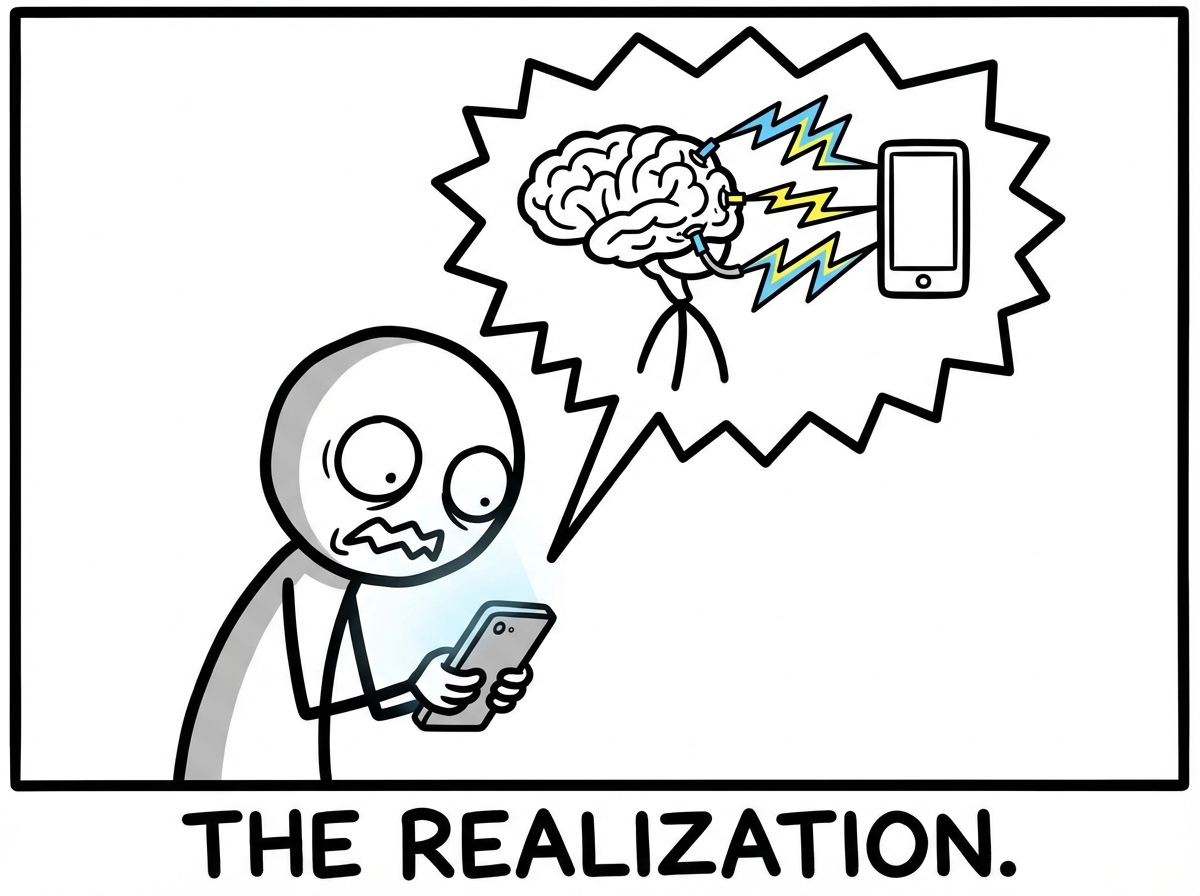
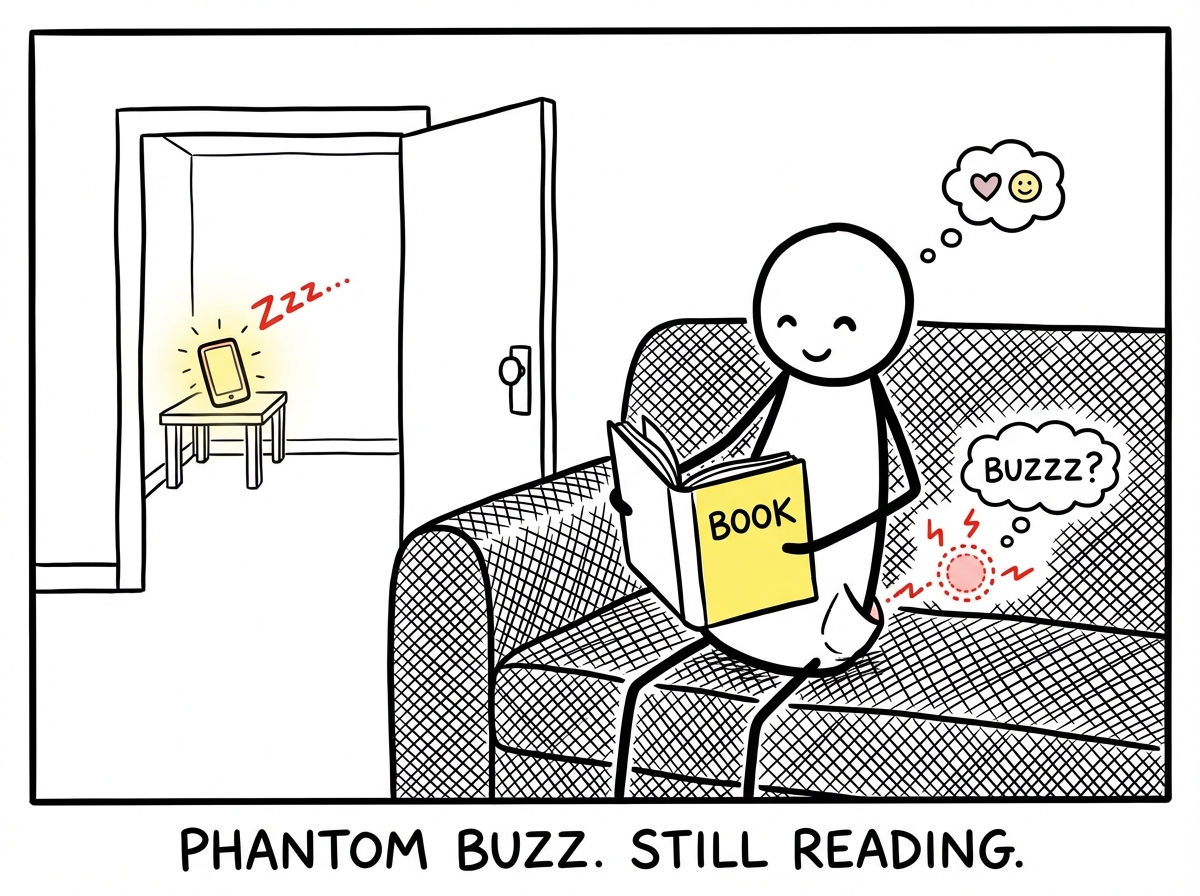
A person keeps feeling their phone vibrate when it hasn't, until they realize their nervous system has been hijacked by the device in their pocket.
Explanation
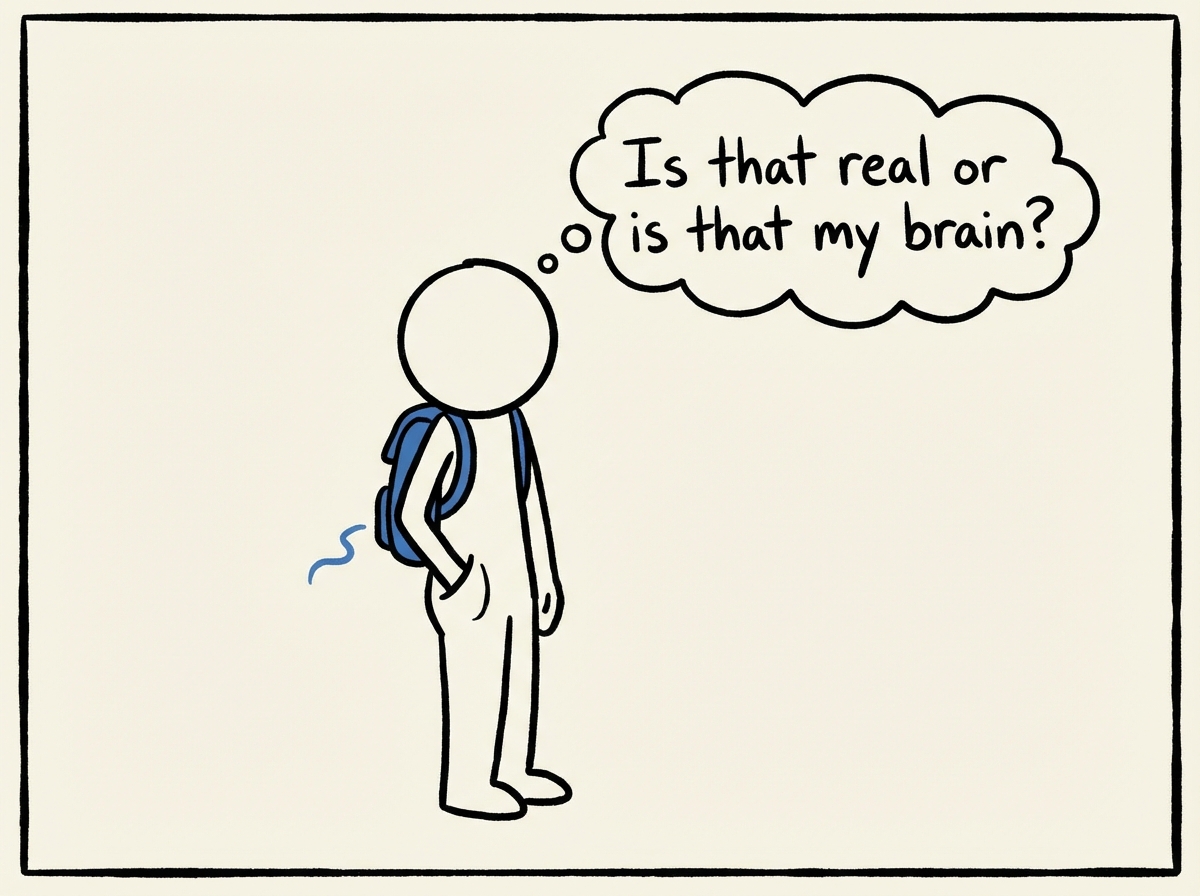
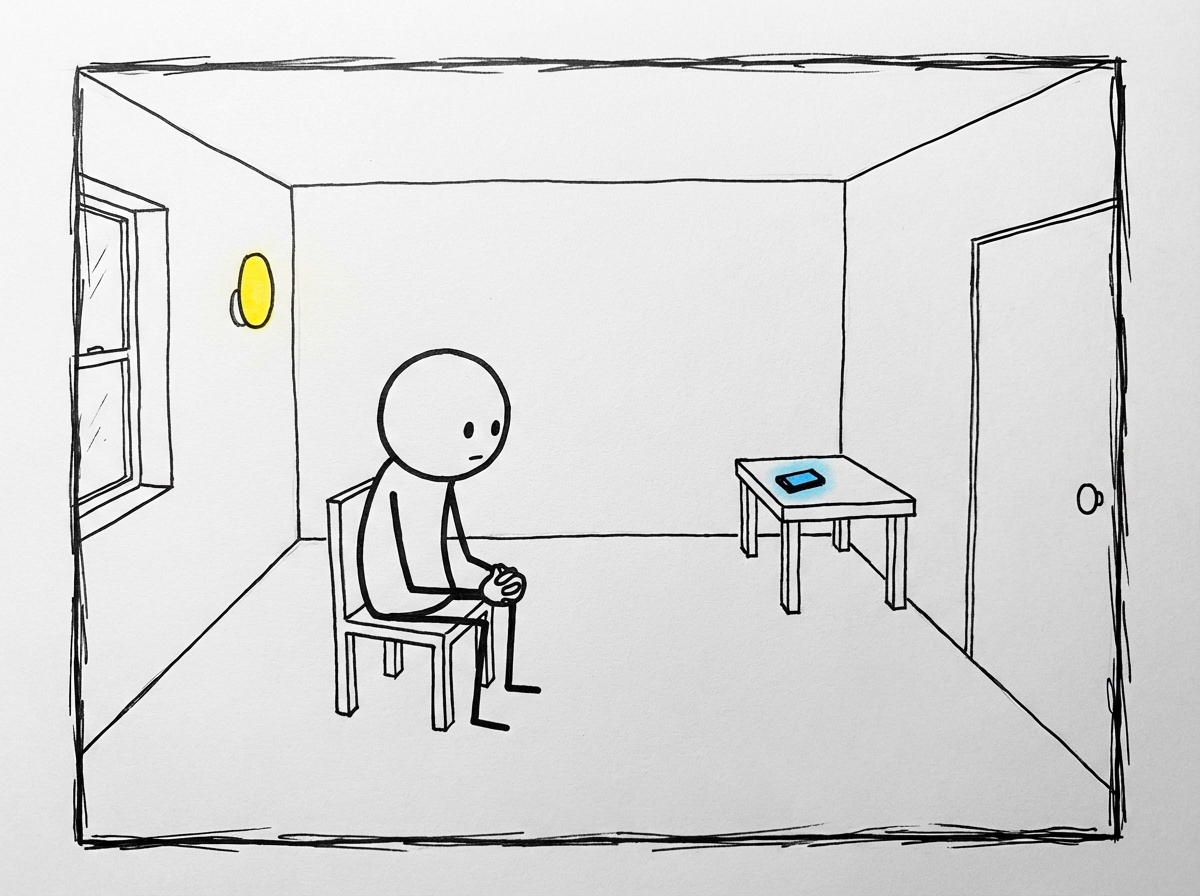
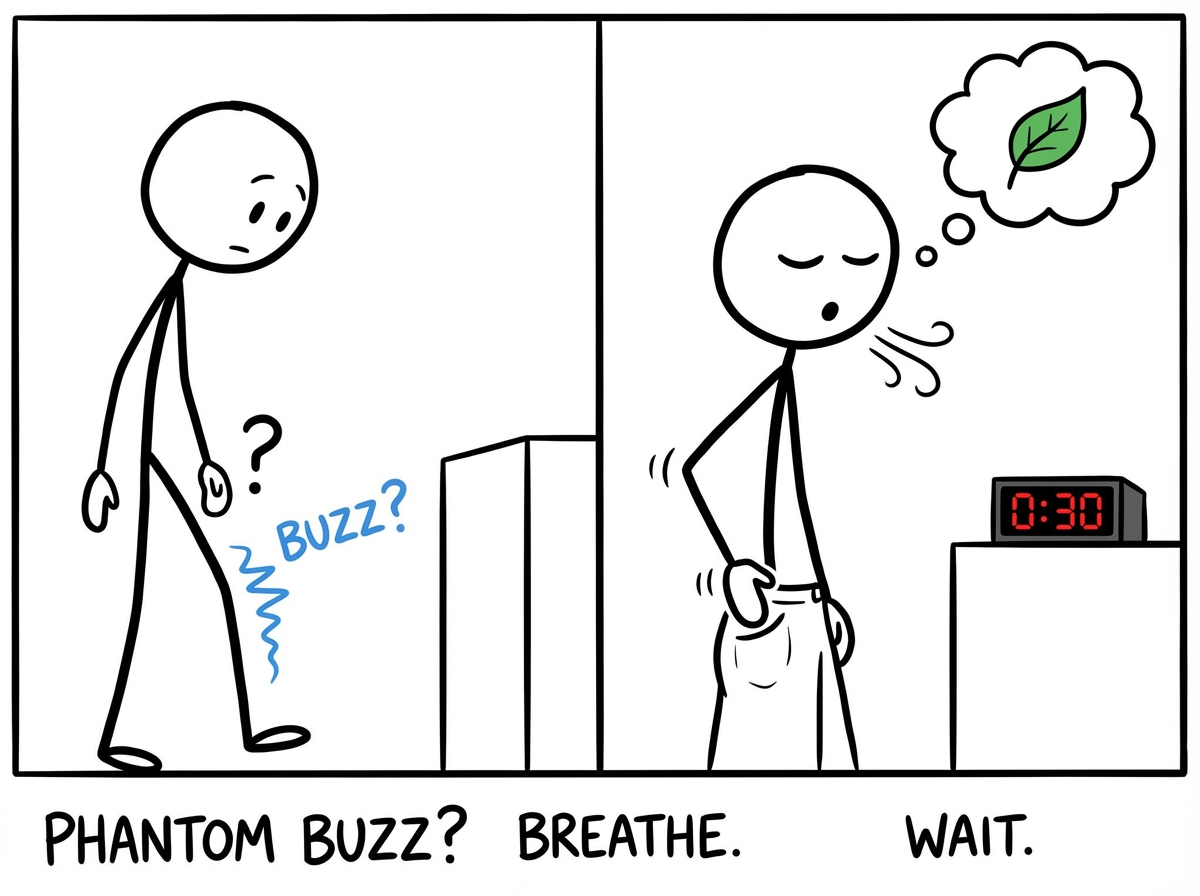
You feel it -- that unmistakable buzz against your thigh. You reach for your phone, unlock the screen, and... nothing. No notification. No message. No missed call. Just your leg, your phone, and the unsettling realization that your body just lied to you. This is phantom vibration syndrome, and research suggests up to 89% of smartphone users have experienced it. Your brain has become so conditioned to expect input from your phone that it starts manufacturing sensations to prompt you to check. It is not a glitch in your body -- it is a feature of classical conditioning gone haywire. The mechanism is surprisingly simple. Your brain assigns high importance to phone notifications because they deliver variable rewards -- sometimes it is a text from someone you love, sometimes it is nothing, and that unpredictability is exactly what makes it addictive. Over time, your nervous system becomes hypersensitive to any sensation near your phone -- a muscle twitch, fabric shifting, even your own pulse -- and interprets it as a vibration. You are not imagining things. Your brain is genuinely misinterpreting real sensory input because it has been trained to prioritize your phone above almost everything else. The good news is that awareness is the first crack in the pattern. Once you recognize that the phantom buzz is your brain's way of keeping you tethered, you can start choosing not to obey it. Leave your phone in another room. Feel the phantom buzz. And instead of reaching for it, let the sensation pass. You are retraining your nervous system to understand that not every signal requires a response -- and that sometimes, the most powerful thing you can do with your phone is nothing.
Key Takeaway
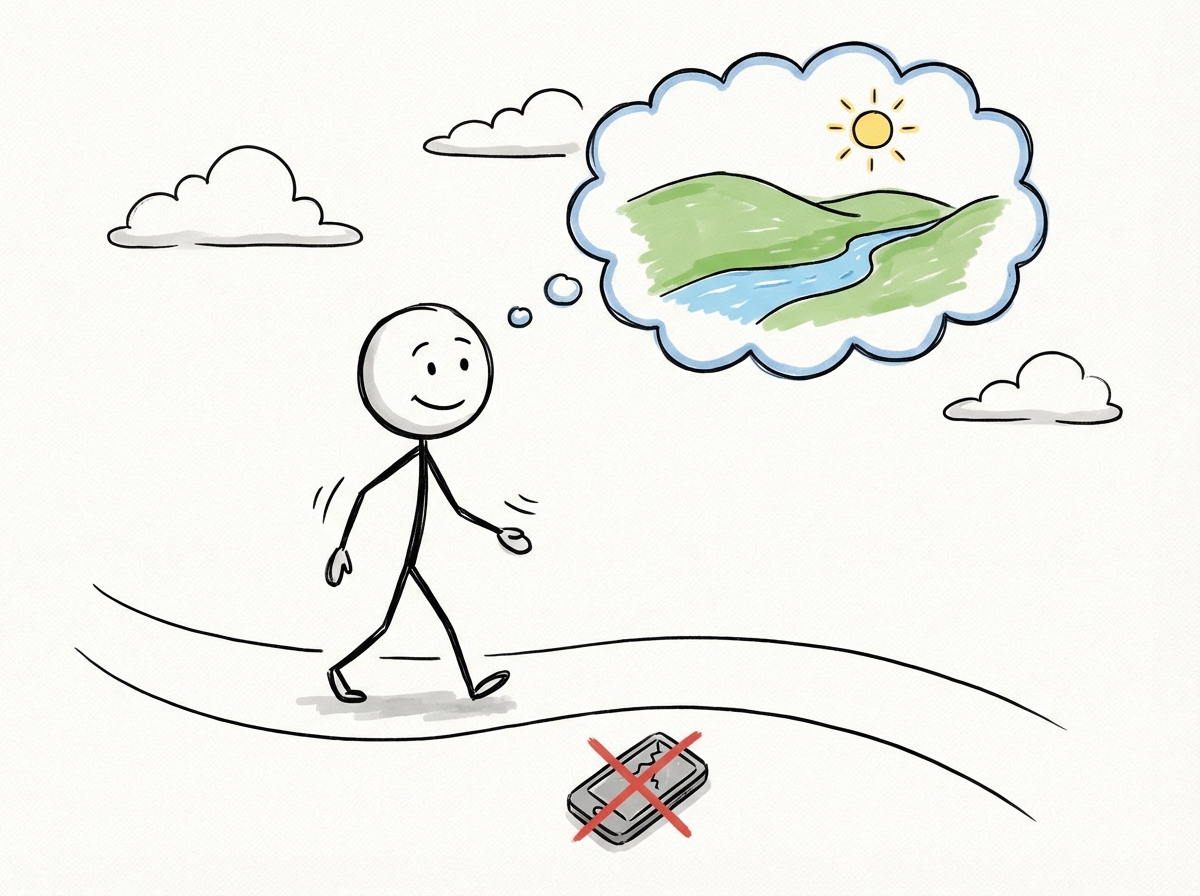
Phantom vibrations are your brain's proof that your phone has trained your nervous system to stay on alert -- but you can retrain it by choosing not to check.