The First and Last Screen
A person realizes their phone is the first thing they reach for every morning and the last thing they see every night, bookending their days with someone else's content instead of their own thoughts.

Your phone trained you before you noticed.
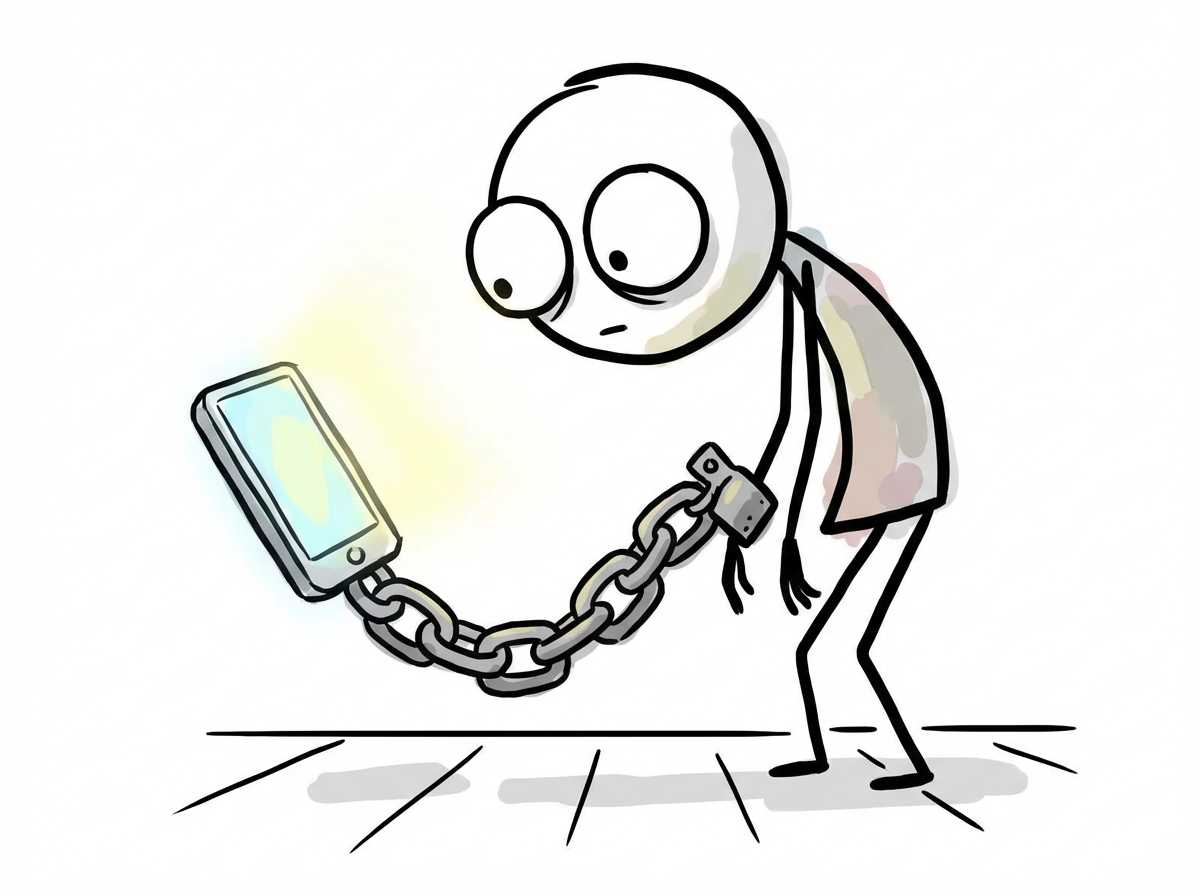
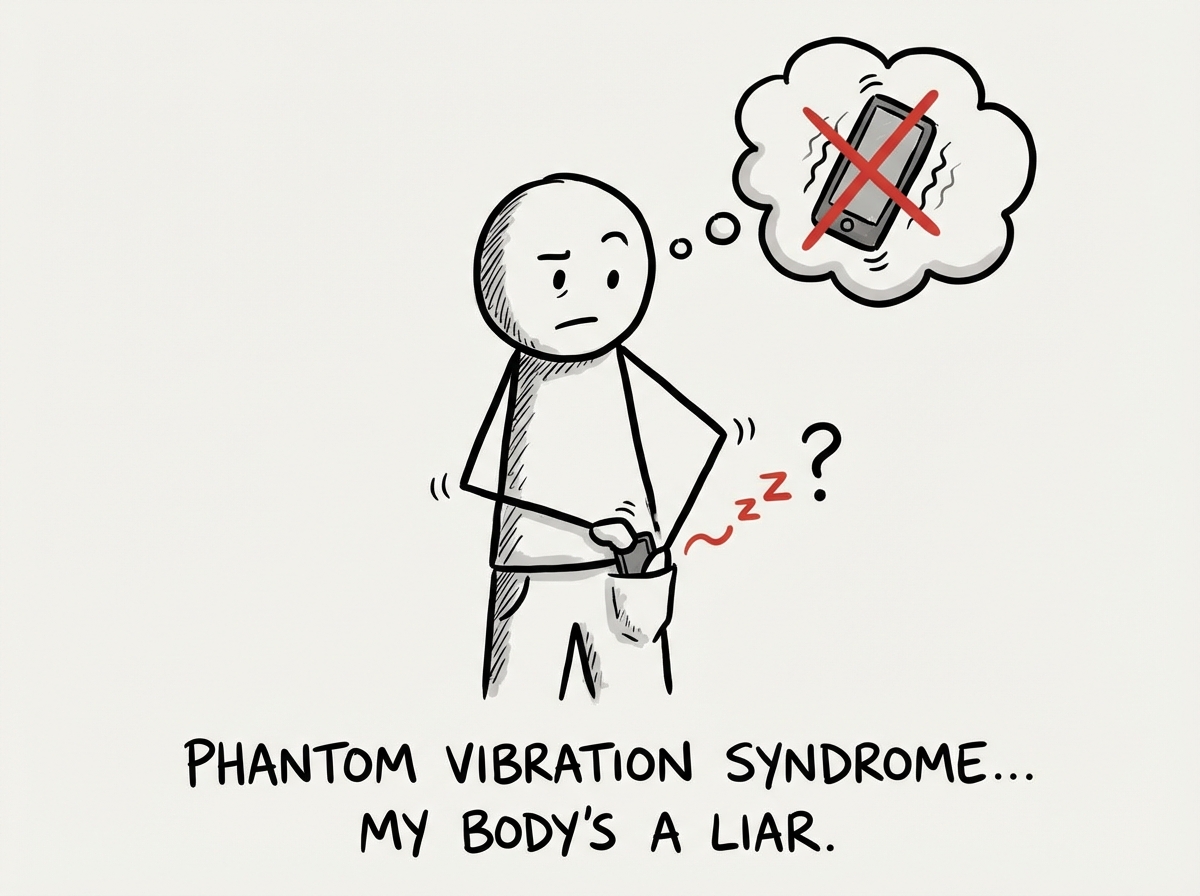
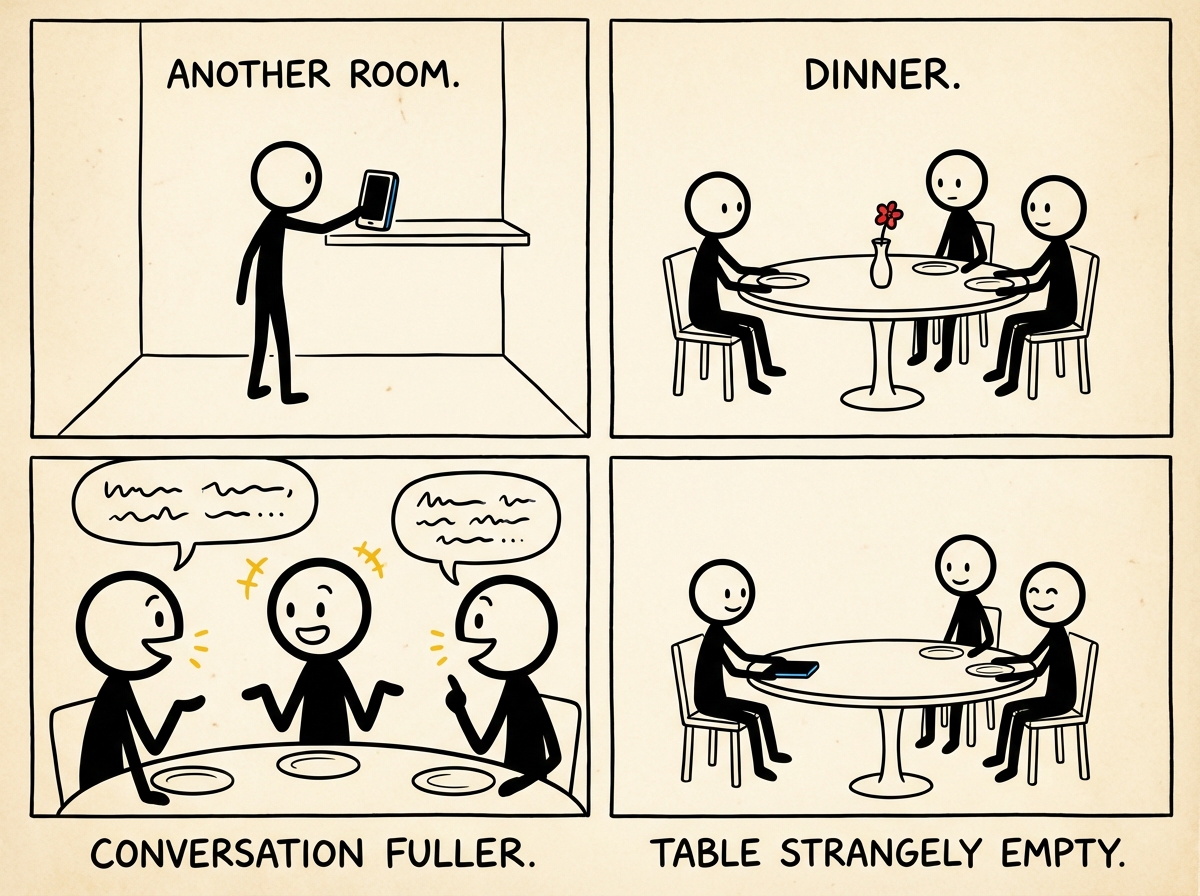
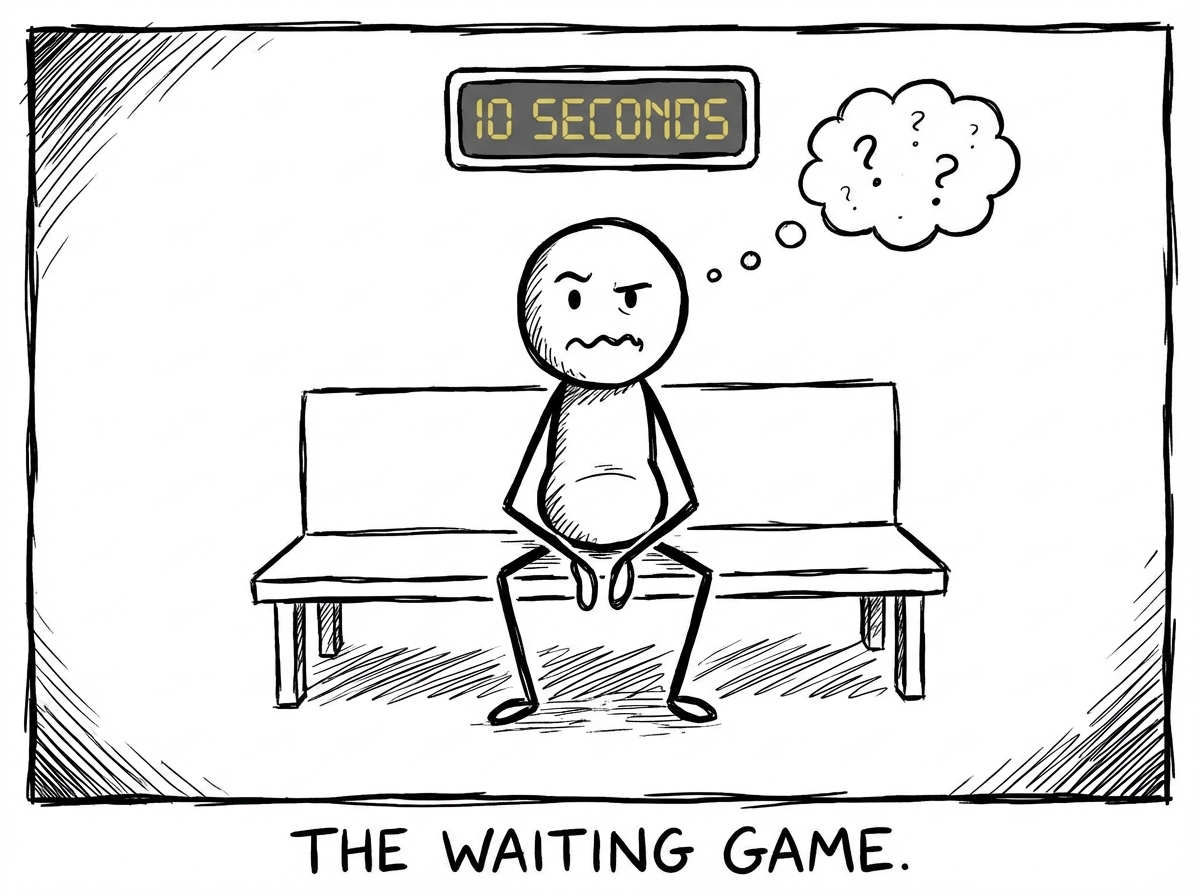
Phone addiction is the compulsive, reflexive relationship with your smartphone that has moved far beyond convenience into something that looks a lot like dependency. You check it first thing in the morning and last thing at night. You feel phantom vibrations in your pocket when nothing is there. You reach for it mid-conversation, mid-meal, mid-thought -- not because anything urgent is happening, but because your brain has been conditioned to expect a reward that might be waiting behind that screen. This is not a willpower failure. Smartphone interfaces are deliberately engineered around variable ratio reinforcement -- the same schedule that makes slot machines addictive. You do not get a reward every time you check, but you get one often enough that your brain never stops anticipating the next one. Adam Alter, in his book Irresistible, describes how the absence of natural stopping cues in apps creates open-ended behavioral loops that are almost impossible to exit once entered. Research on attention fragmentation shows that even the mere presence of your phone on a table reduces your available cognitive capacity -- you do not need to be using it for it to be claiming your attention. The phantom vibration phenomenon, documented in studies since the mid-2000s, reveals just how deeply the device has embedded itself into your nervous system -- your body is hallucinating notifications. The first-and-last-screen habit means your phone bookends your consciousness, shaping what you think about as you fall asleep and what you attend to before you have even fully woken up. The cost is not just distraction -- it is the slow erosion of your ability to be present with yourself, with others, and with the quiet moments where real reflection happens.
Your phone is not a tool you use -- it is a habit loop you live inside, and the exit begins with noticing the reach before the unlock.
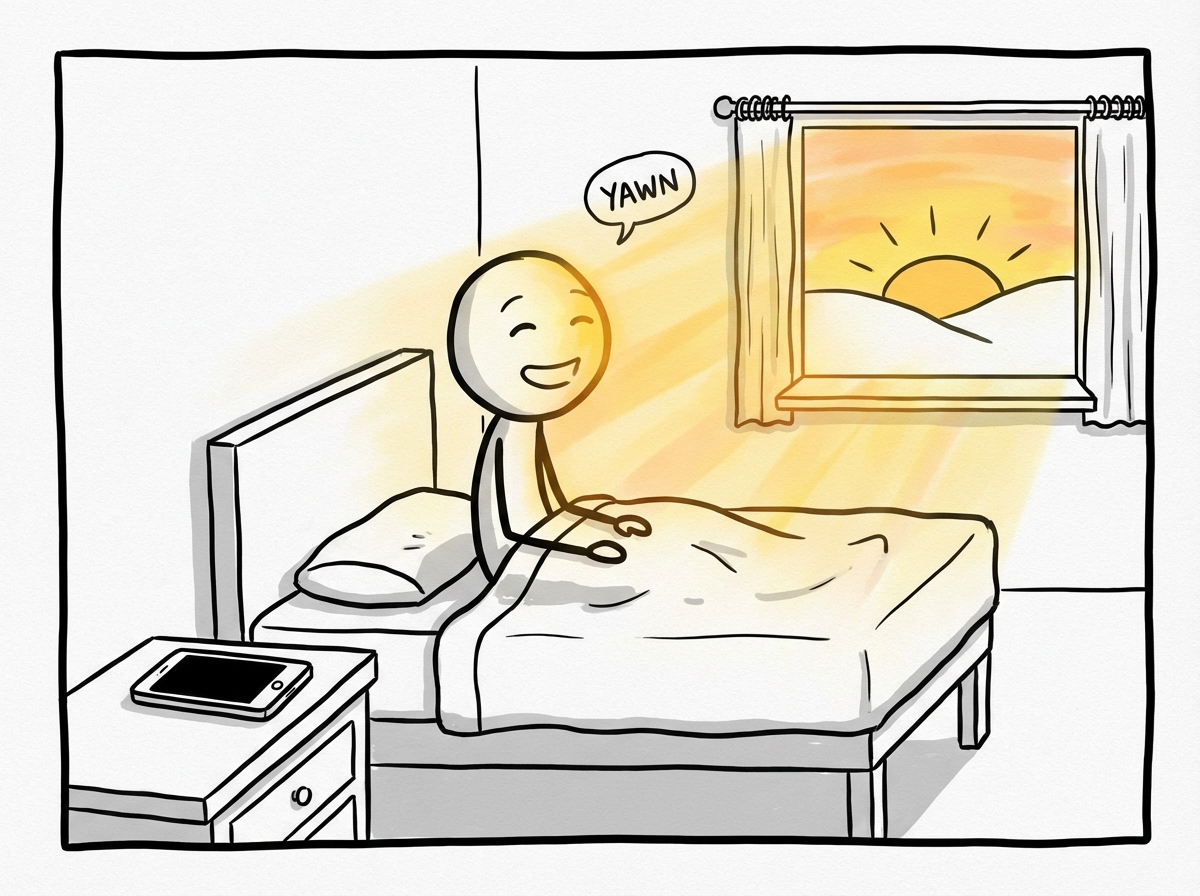
A person realizes their phone is the first thing they reach for every morning and the last thing they see every night, bookending their days with someone else's content instead of their own thoughts.
A person keeps feeling their phone vibrate when it hasn't, until they realize their nervous system has been hijacked by the device in their pocket.