The Productive Escape Artist
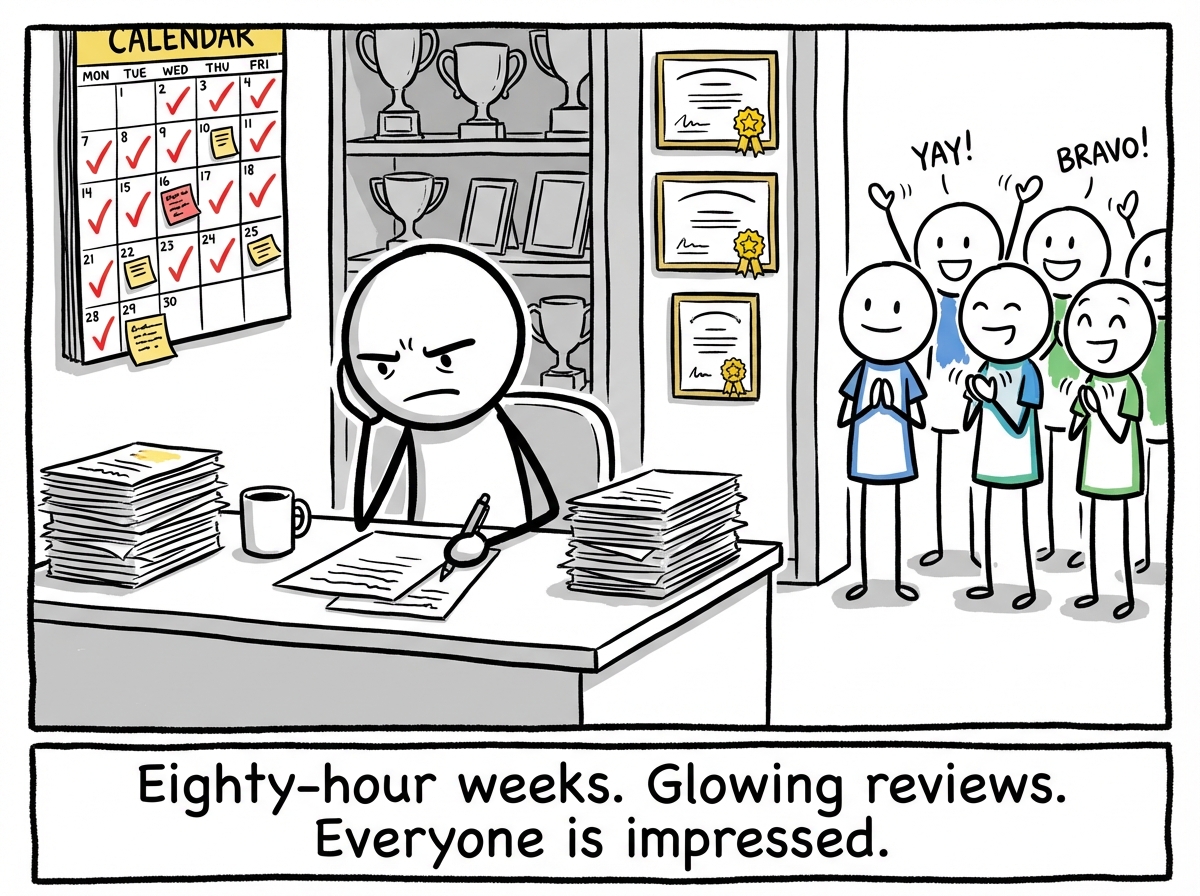
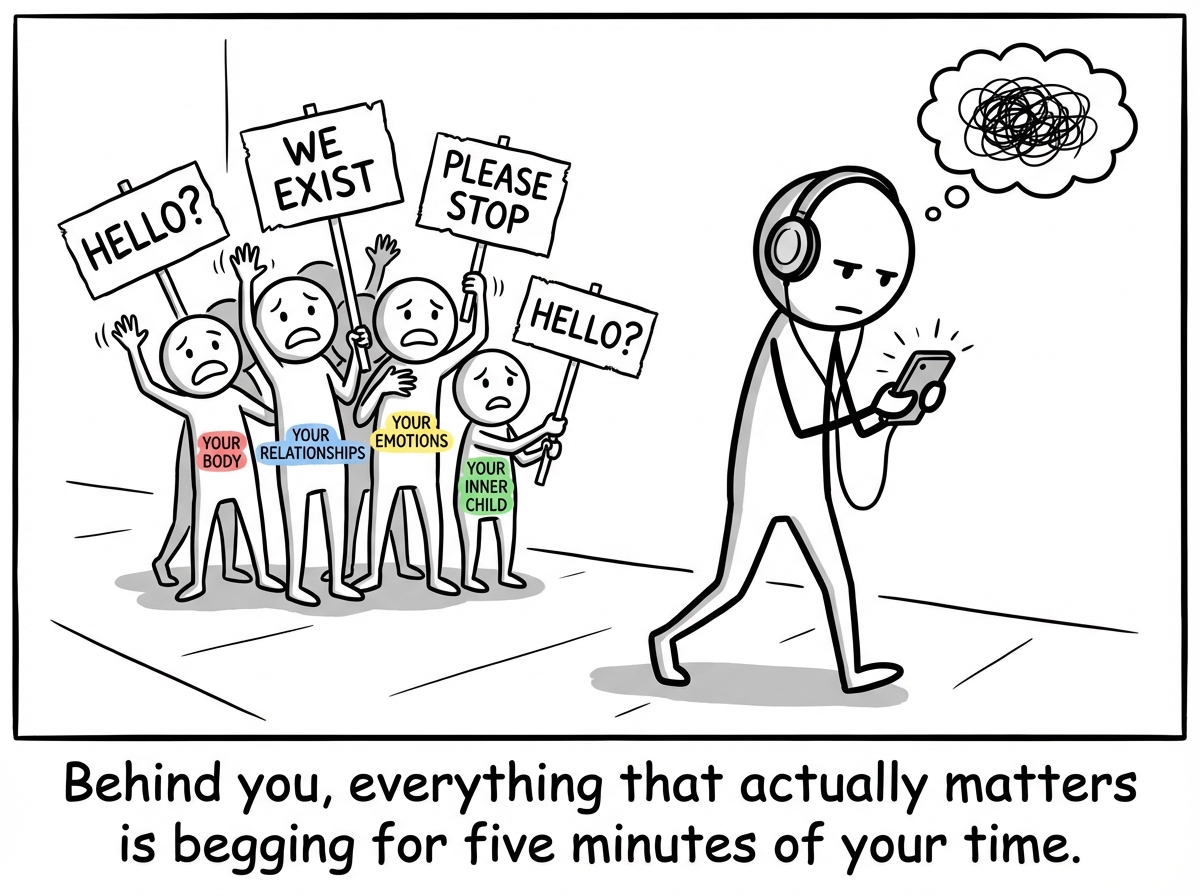
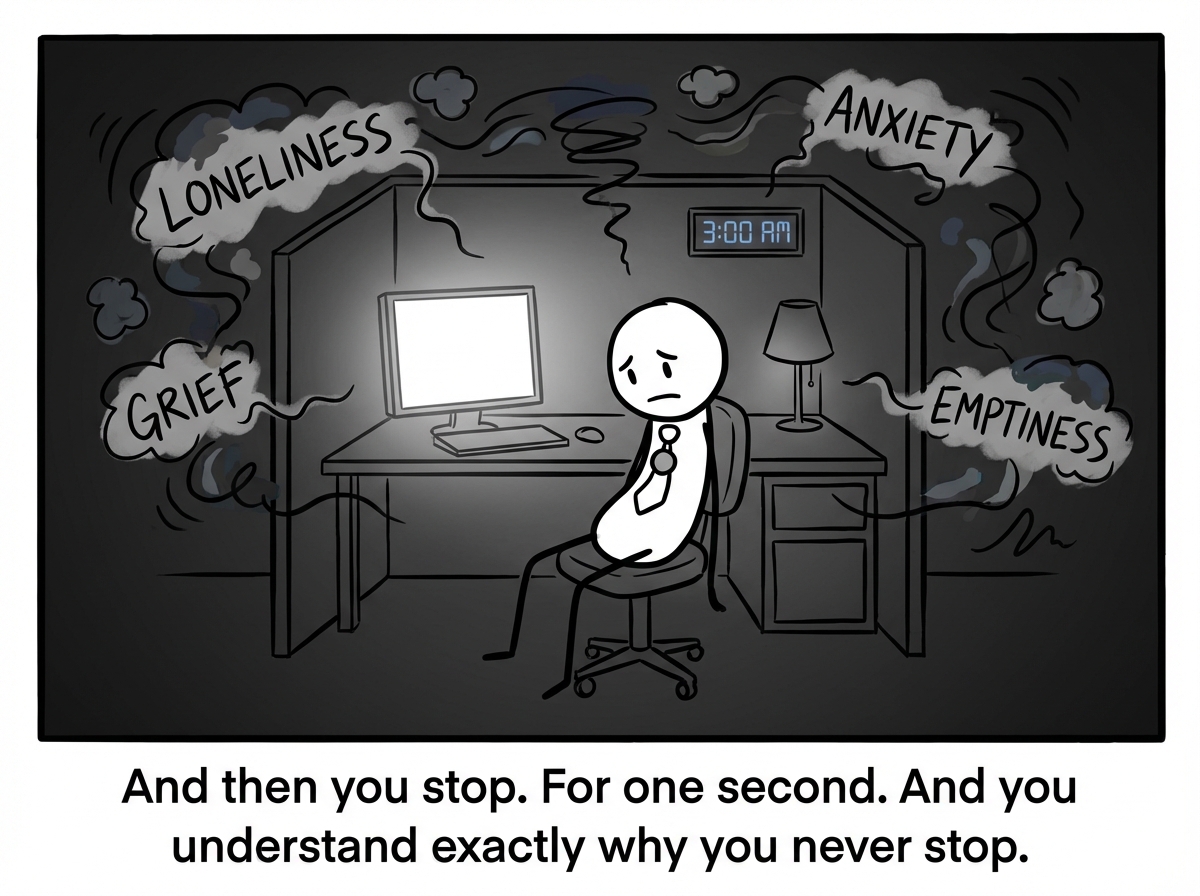
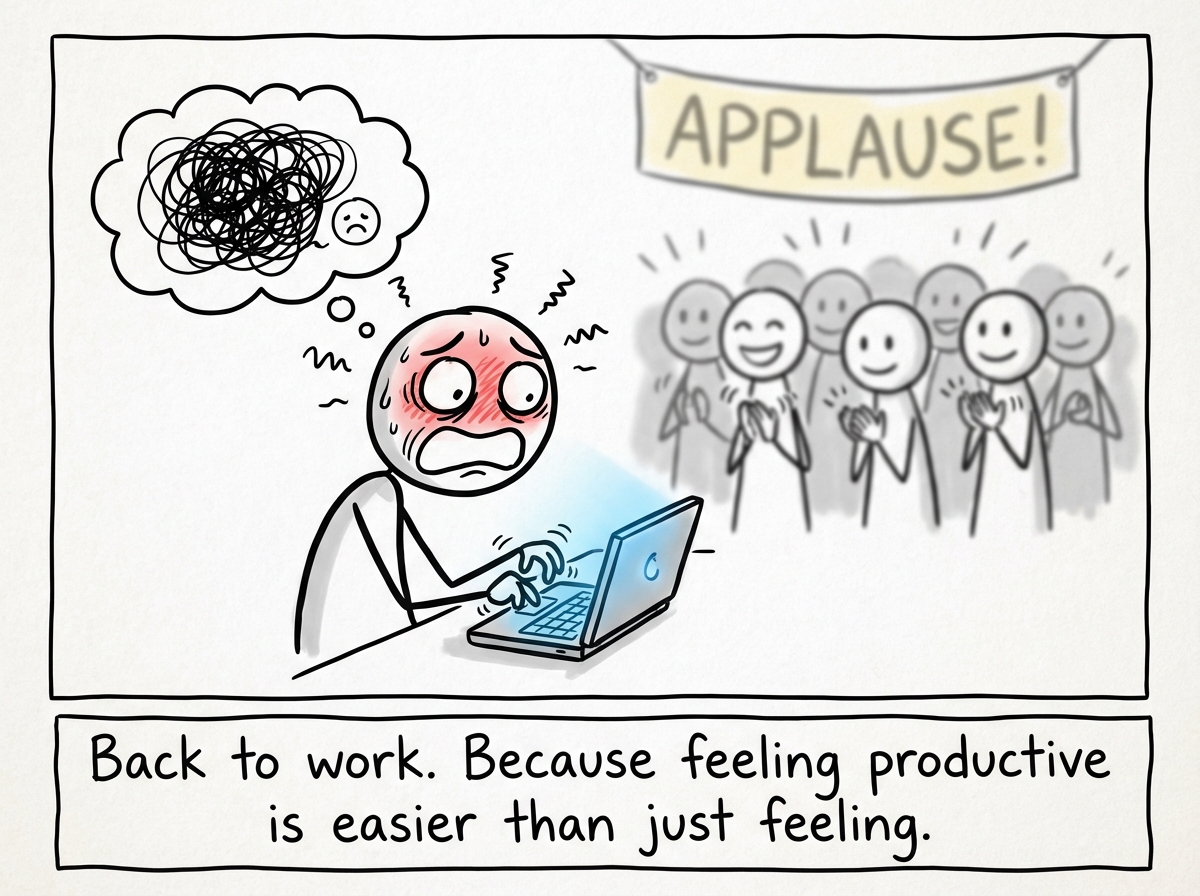
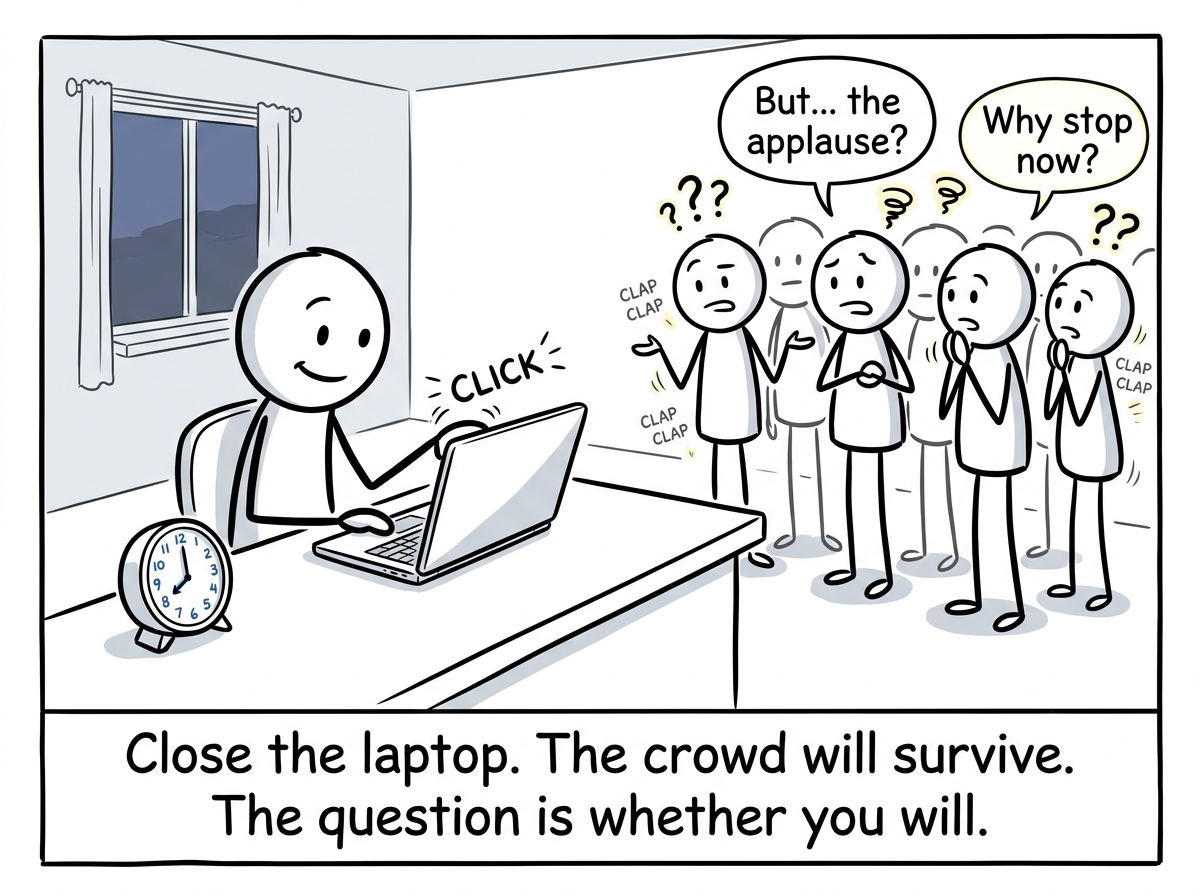
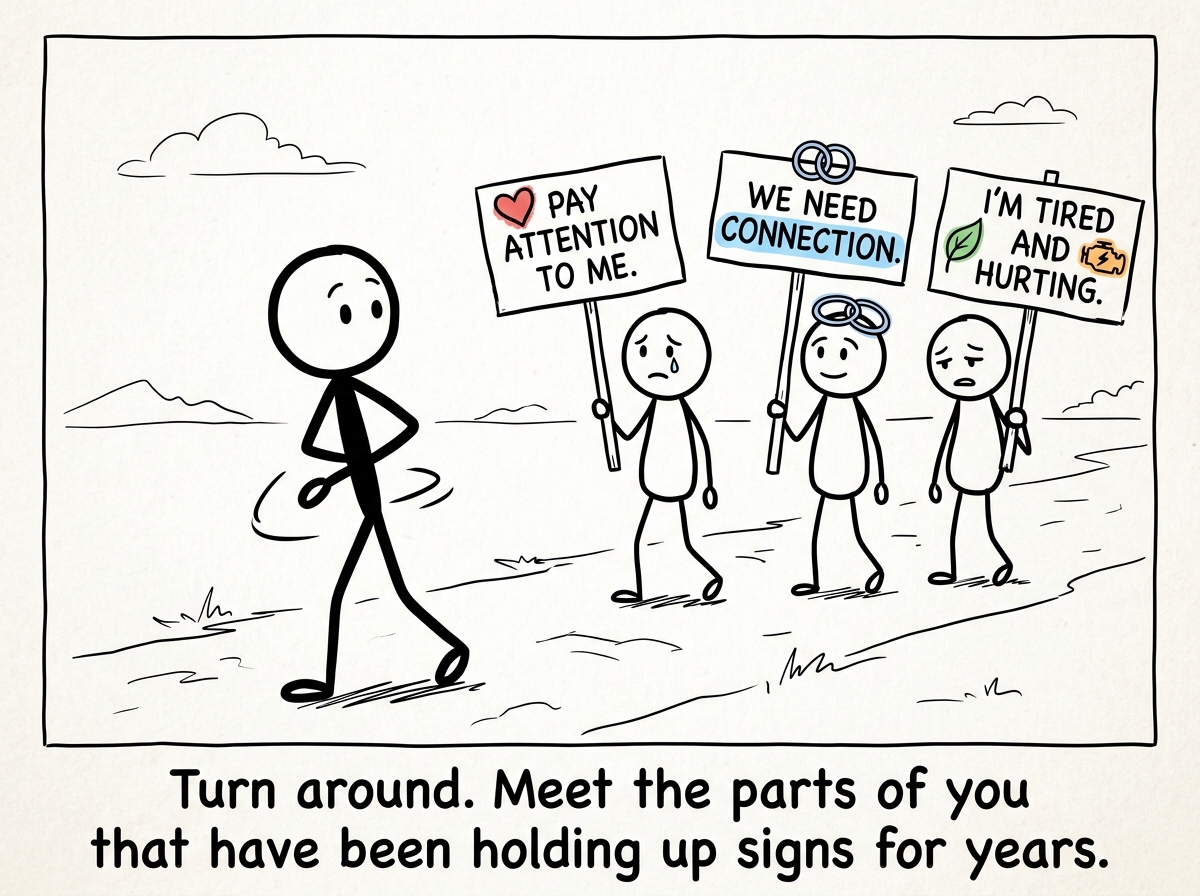
A person being applauded for working 80-hour weeks while their emotions, relationships, and body hold up signs begging for attention behind them.
Explanation
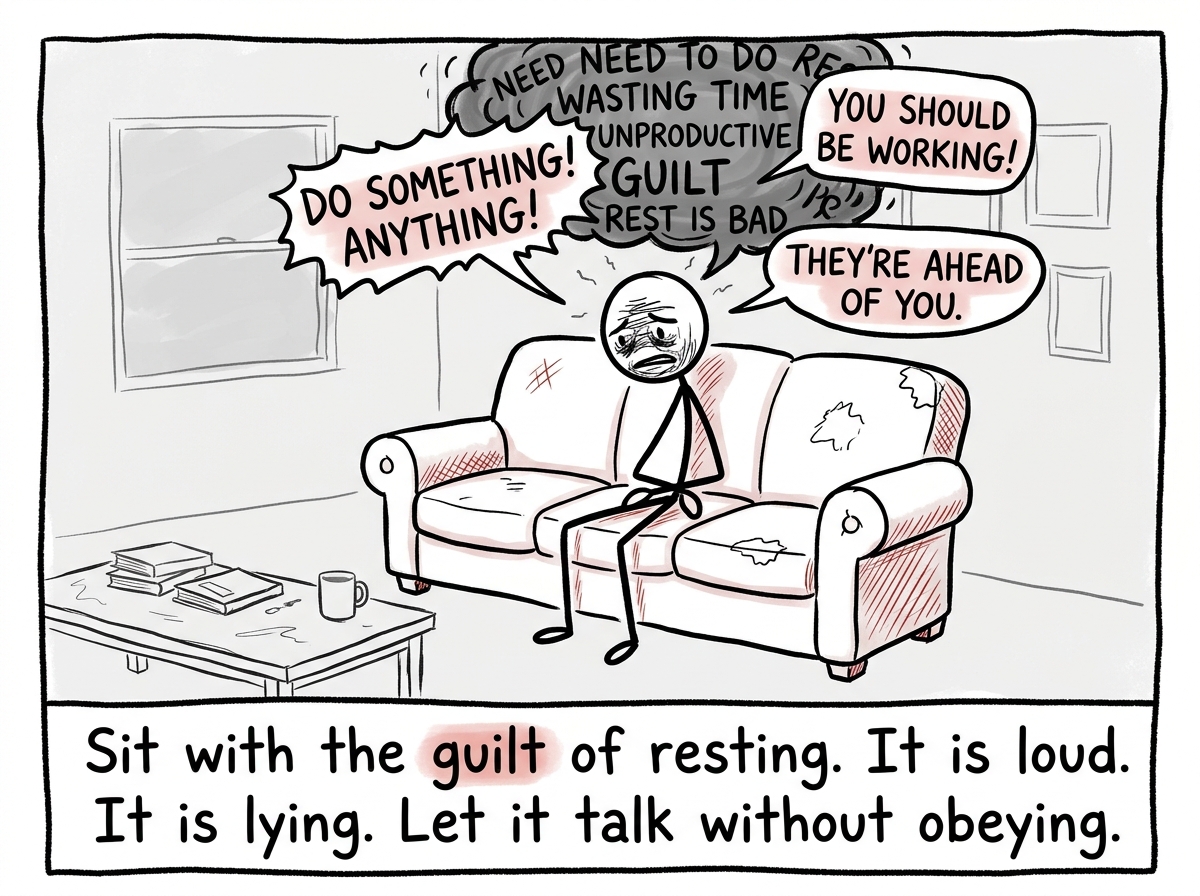
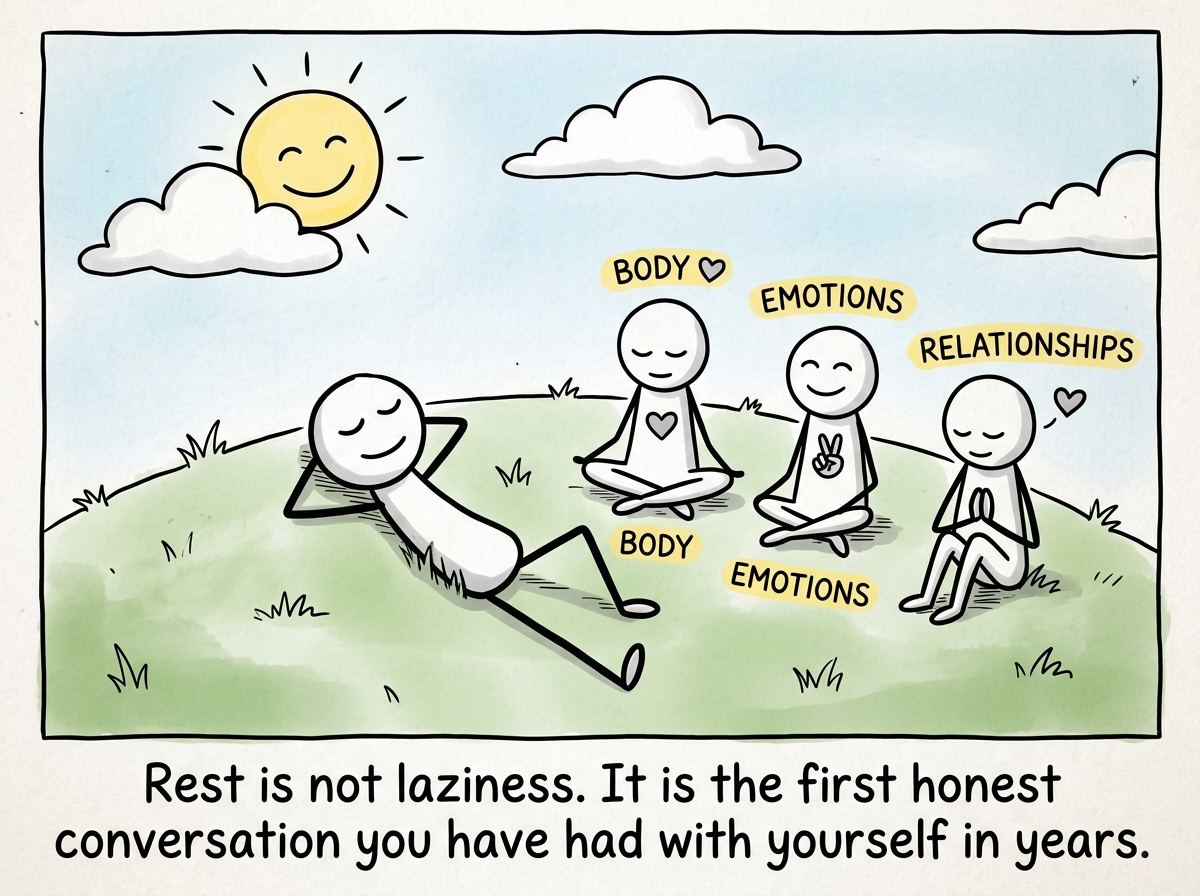
From the outside, it looks like ambition. Your calendar is packed. Your output is impressive. Your boss loves you. You are the first one in and the last one out, and people use words like 'dedicated' and 'unstoppable' to describe you. You have built an entire identity around being the person who gets things done. But there is a question you have been avoiding, possibly for years: what happens when you stop? Workaholism is unique among addictions because the culture actively rewards it. Bryan Robinson's research on work addiction found that workaholics experience the same withdrawal symptoms as substance users -- anxiety, irritability, restlessness -- when they try to disengage from work. The compulsion to work is not driven by enjoyment or meaning but by an intolerance of stillness. Underneath the productivity, there is often a core belief forged in childhood: 'I am only valuable when I am useful.' This belief turns rest into an existential threat. If you are not producing, who are you? And so you keep going, not because you love the work but because stopping would mean confronting everything you have been outrunning -- grief, loneliness, a relationship that is falling apart, a body that has been sending distress signals you have been ignoring. The painful irony of workaholism is that the life you are supposedly building through all that effort is the very life you are too busy to live. Your relationships starve. Your health erodes. Your emotional world shrinks to a single channel: productivity. Recovery starts with the terrifying act of doing nothing -- and discovering that you are still someone even when you are not doing something.
Key Takeaway
If you cannot rest without guilt, your work is not ambition -- it is avoidance in a suit.