The Loudest Room Effect
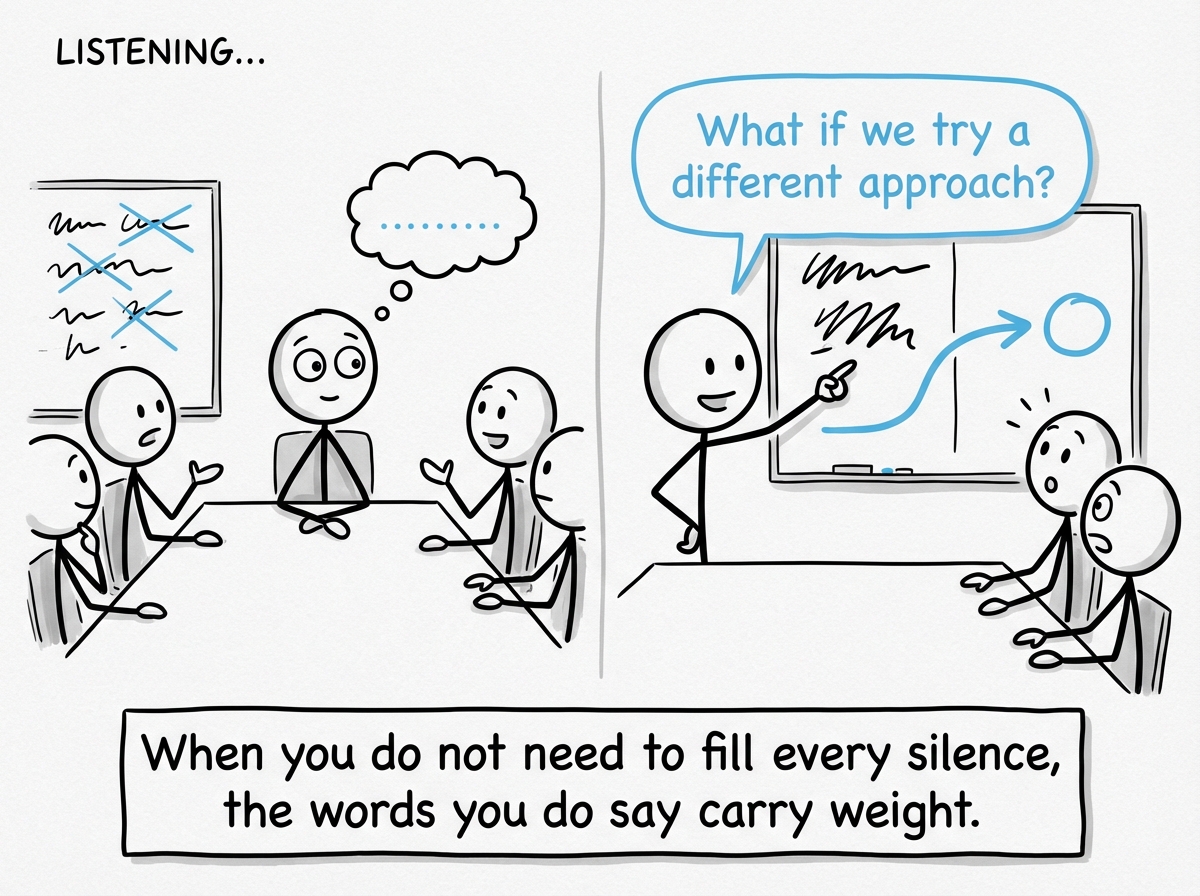
In a meeting, the loudest person commands all the attention -- but the quietly confident person in the corner is the one who actually changes the outcome.

The difference between needing others to see your strength and simply knowing it is there.
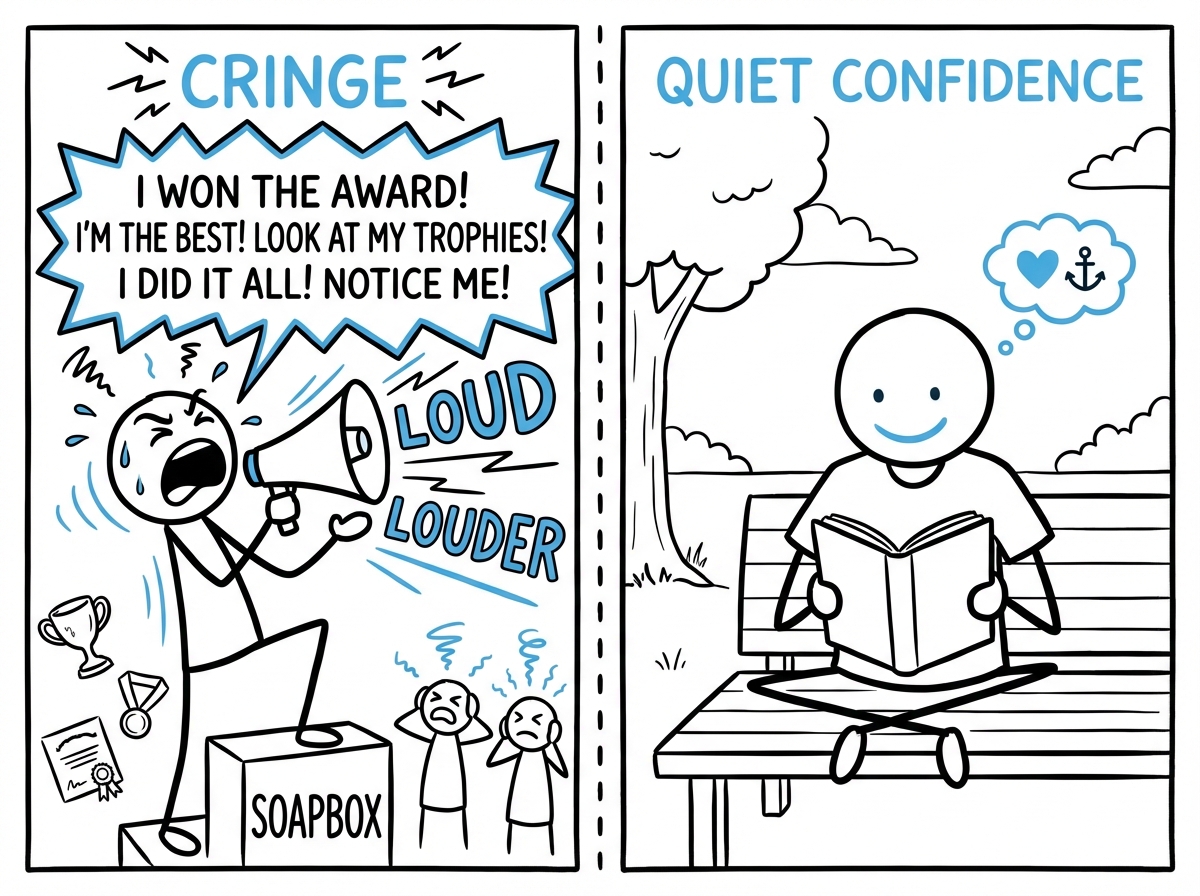
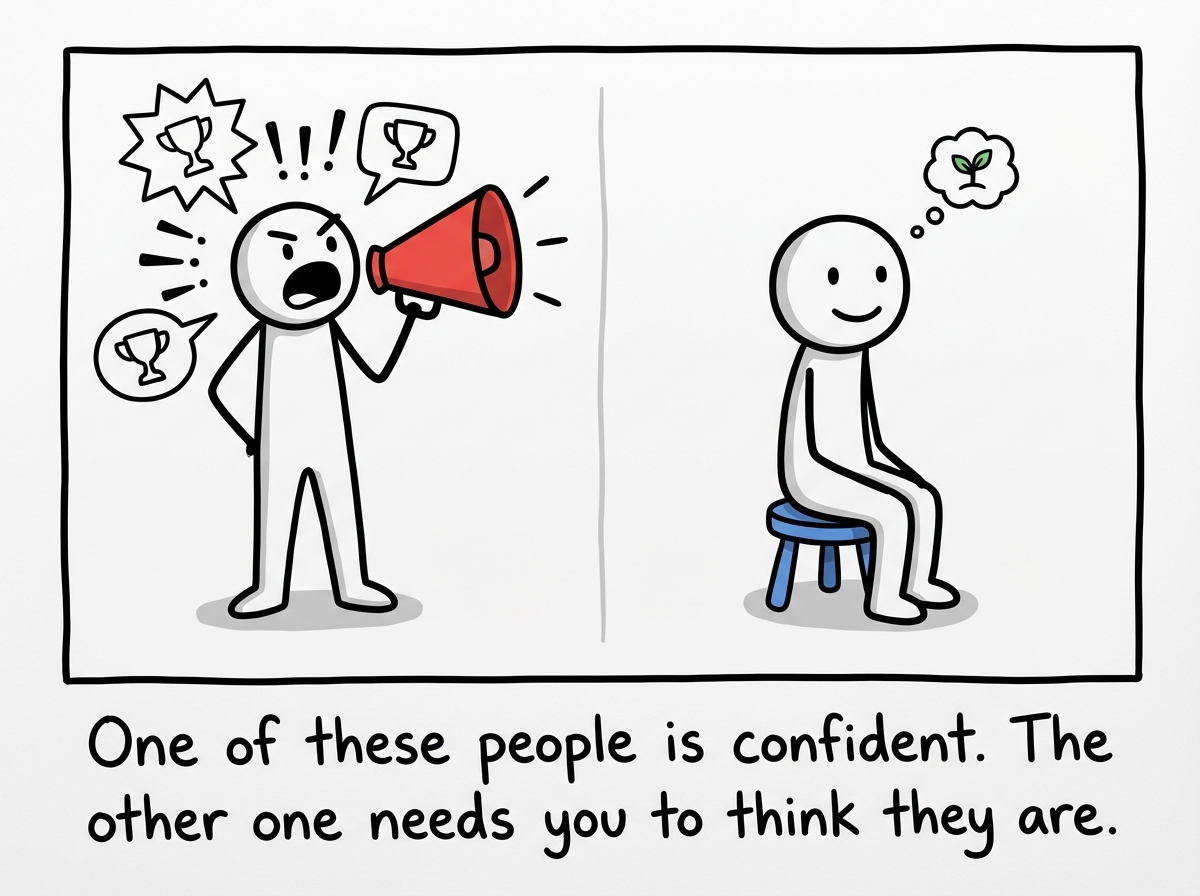
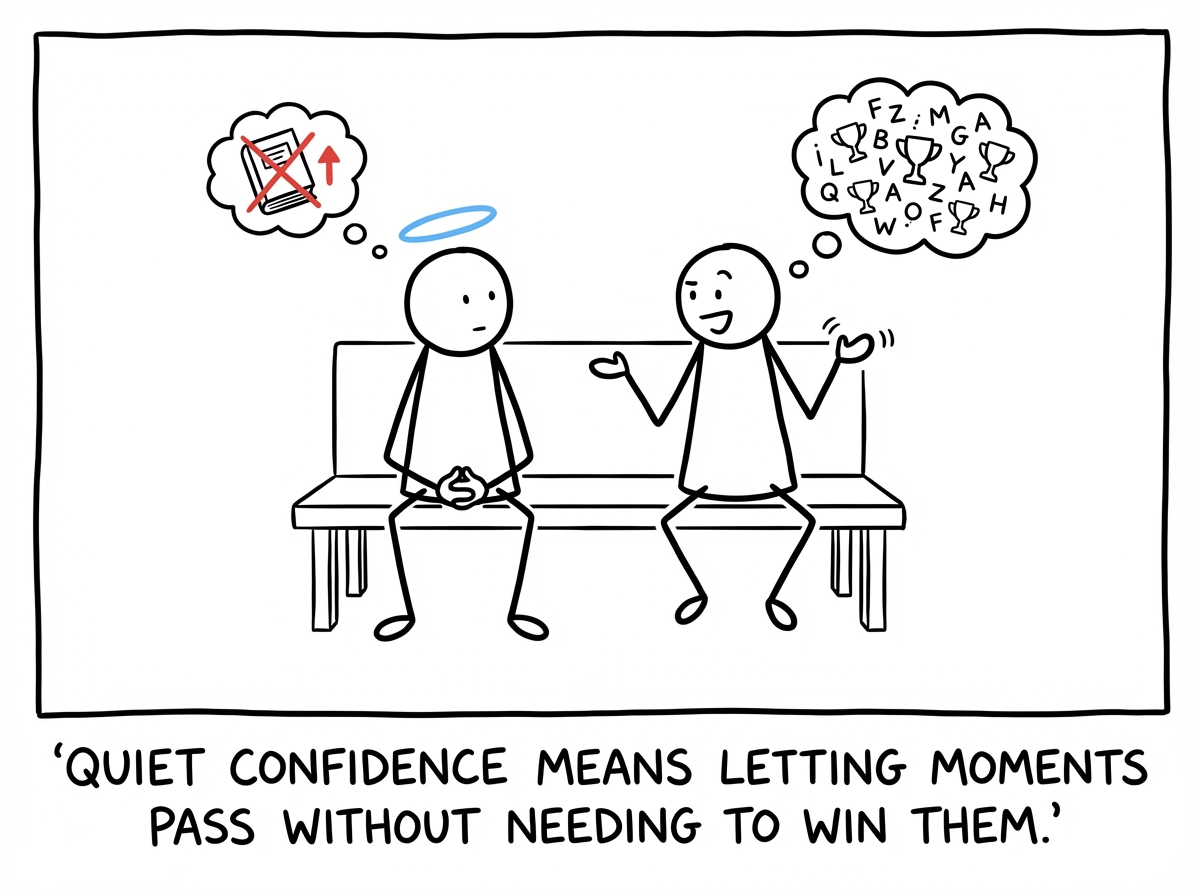
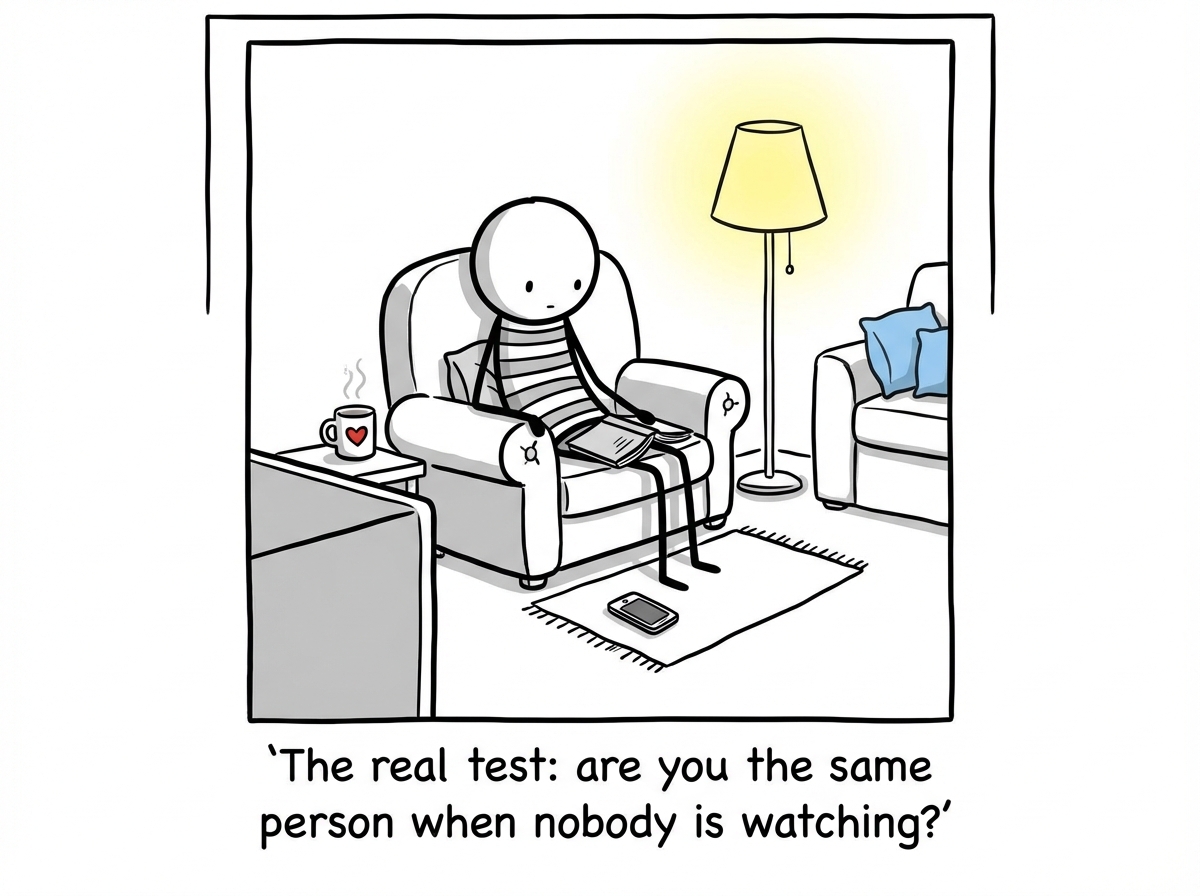
There are two kinds of confidence in the world, and they come from opposite places. Loud confidence needs the room to know. It performs, declares, dominates airtime, and measures itself by how impressed others seem. Quiet confidence does not need the room at all. It is a settled internal state -- the calm that comes from knowing who you are without needing anyone else to confirm it. Loud confidence is often insecurity wearing a costume. It fights for visibility because underneath the performance is a fear: if I stop proving myself, I will disappear. Quiet confidence does not need to prove anything because its source is internal. It comes from self-knowledge, accumulated experience, and a secure sense of identity that does not fluctuate based on who is watching. The paradox is that quiet confidence is often more magnetic than the loud kind. People who are secure in themselves do not compete for attention, interrupt to be heard, or need to be the smartest person in the room. They listen. They hold space. They speak when they have something to say, not when they need to be seen saying it. Building quiet confidence means shifting your validation source from external to internal. It means becoming less interested in how you appear and more interested in how you actually are. It is one of the hardest psychological shifts, because most of us were trained from childhood that our worth depends on how others perceive us.
Quiet confidence is not about being silent. It is about not needing the noise to know who you are.