The Loudest Room Effect
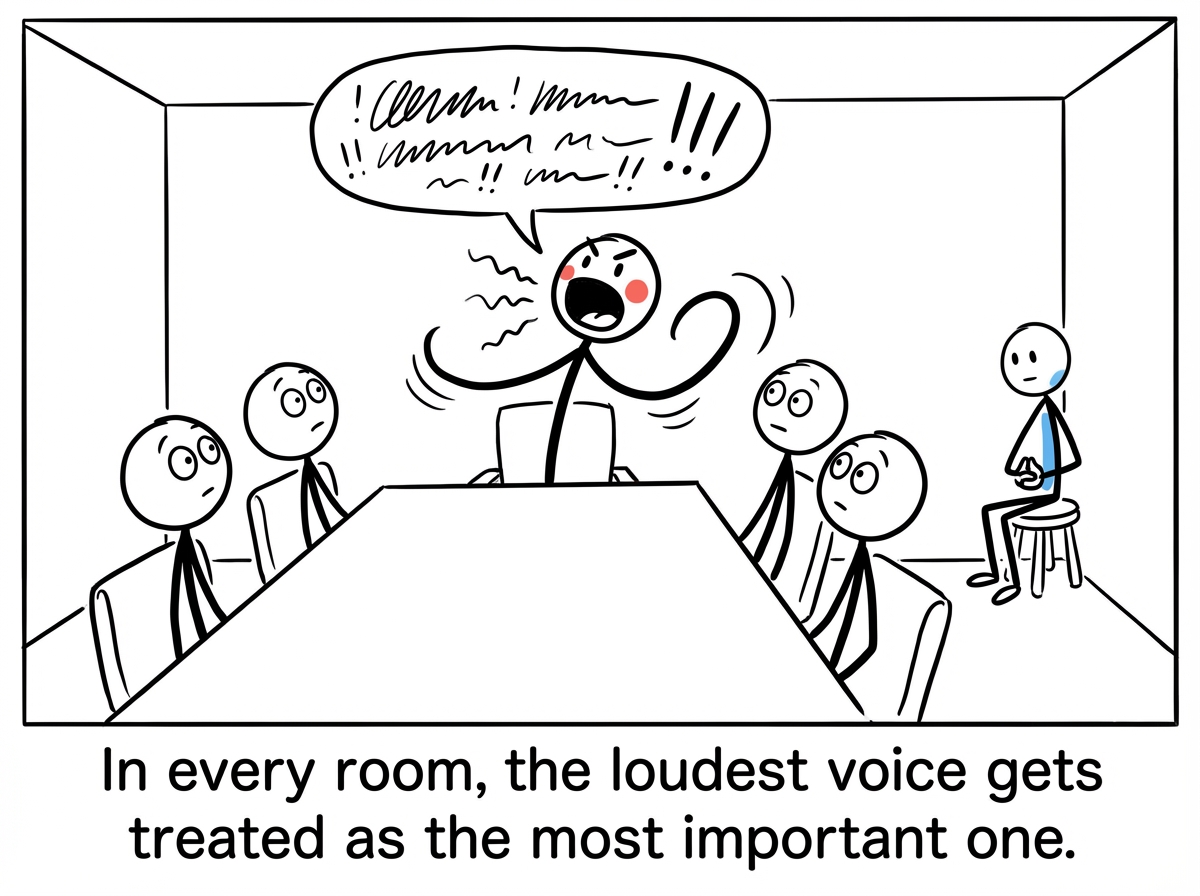
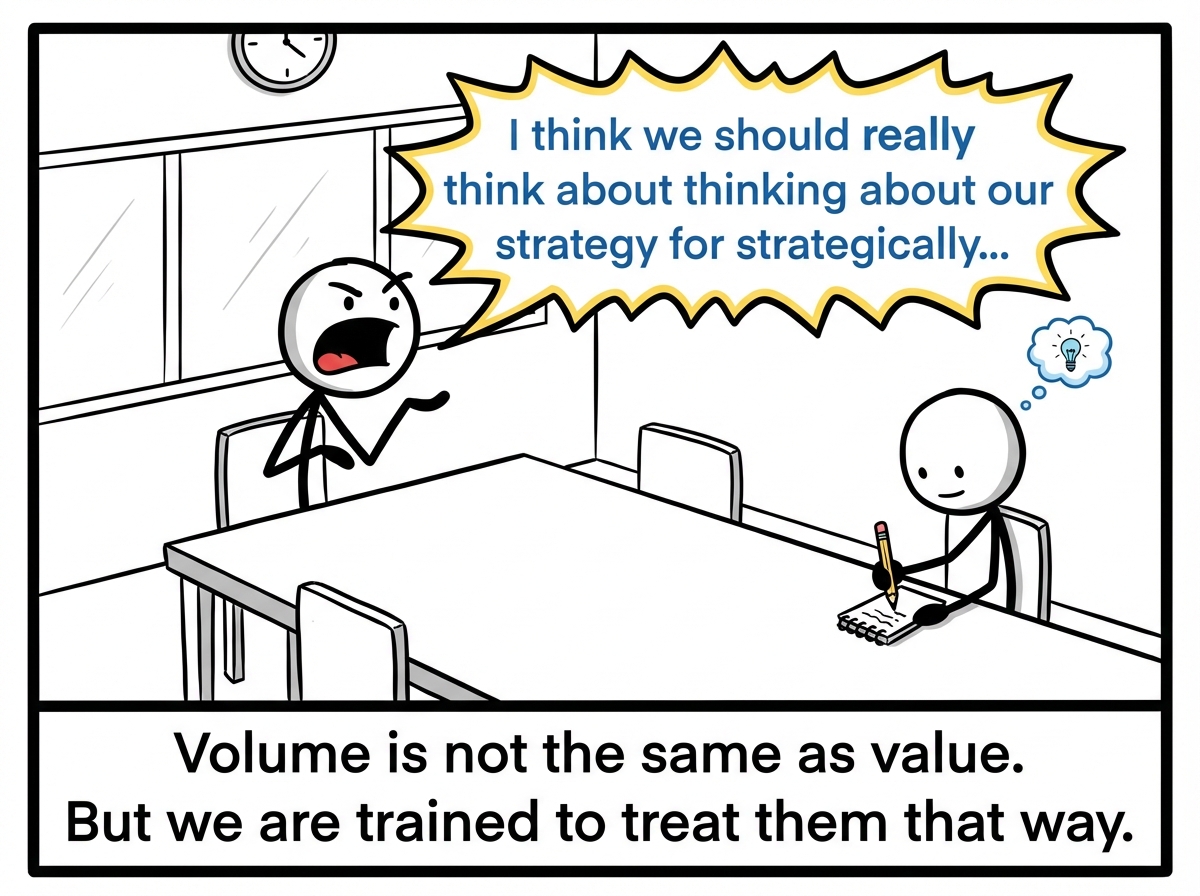
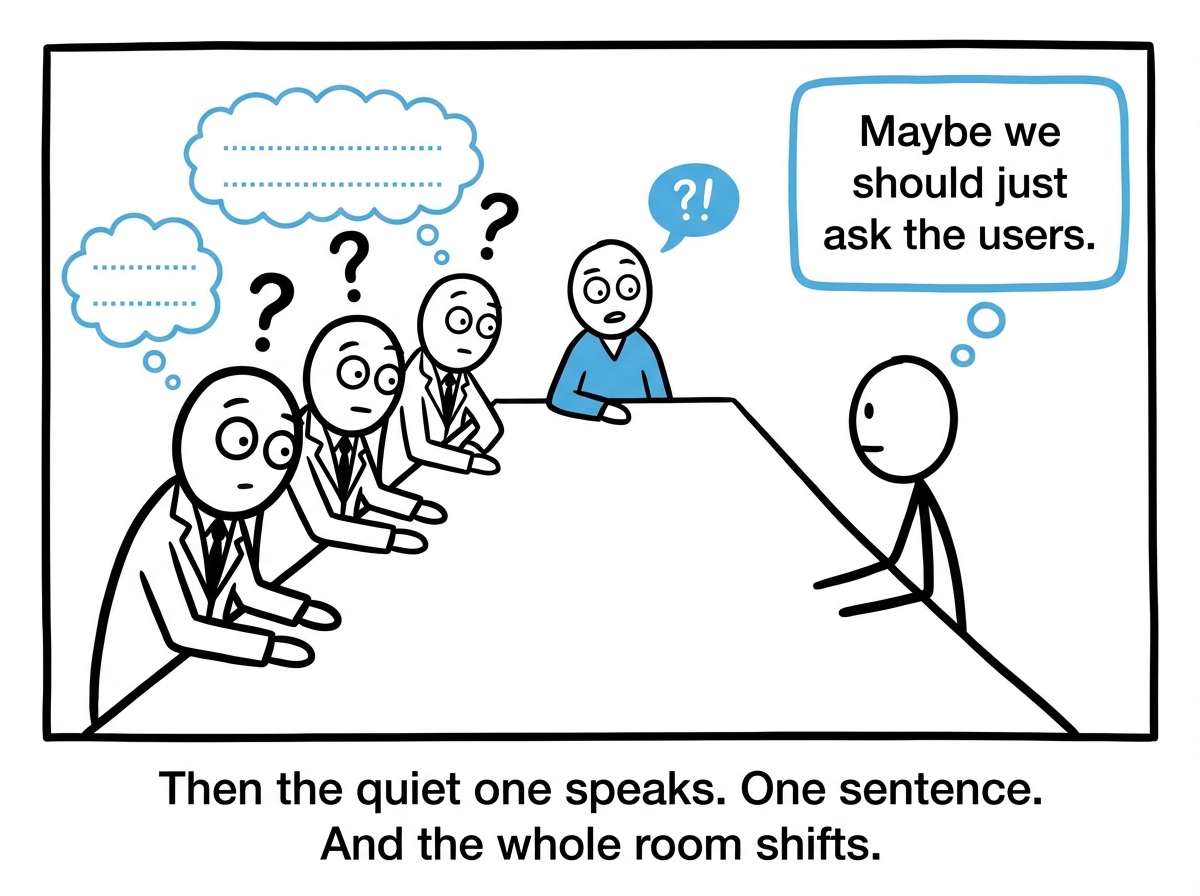
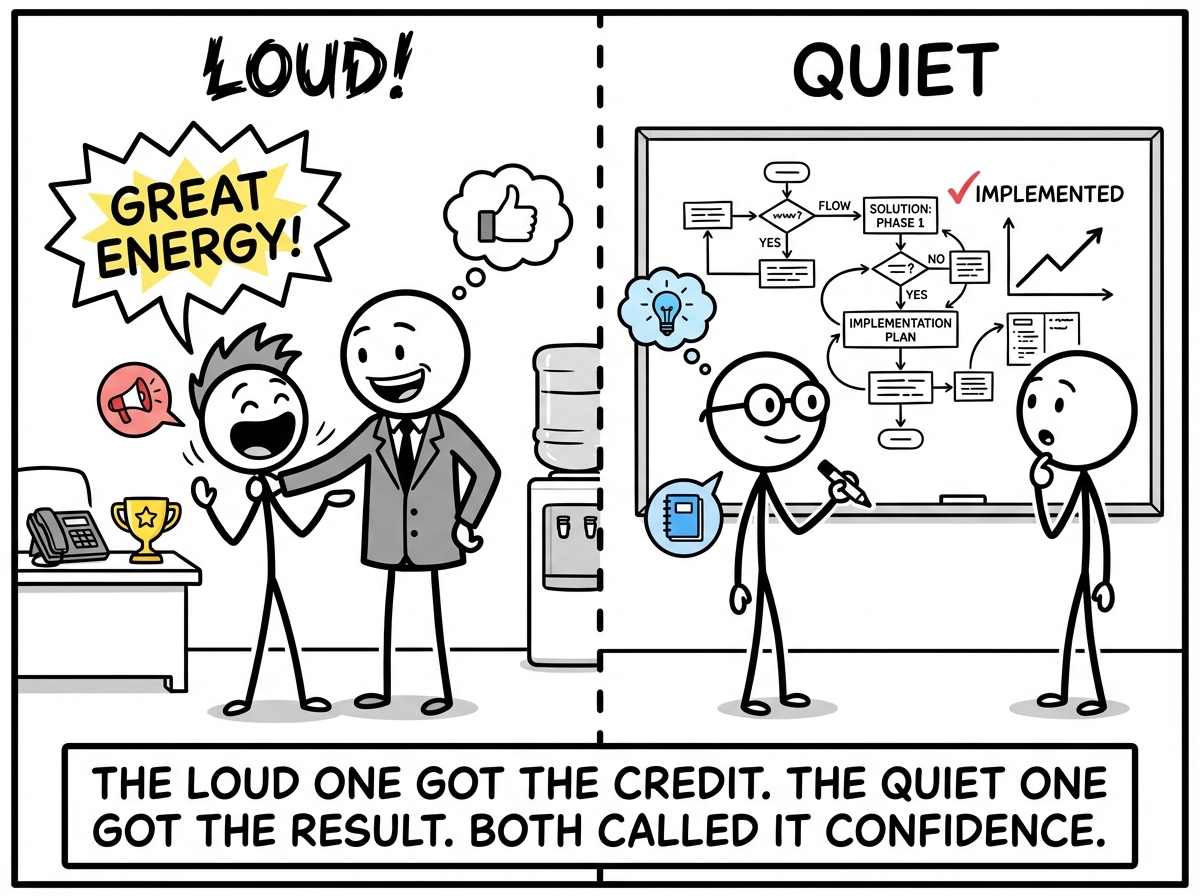
In a meeting, the loudest person commands all the attention -- but the quietly confident person in the corner is the one who actually changes the outcome.
Explanation
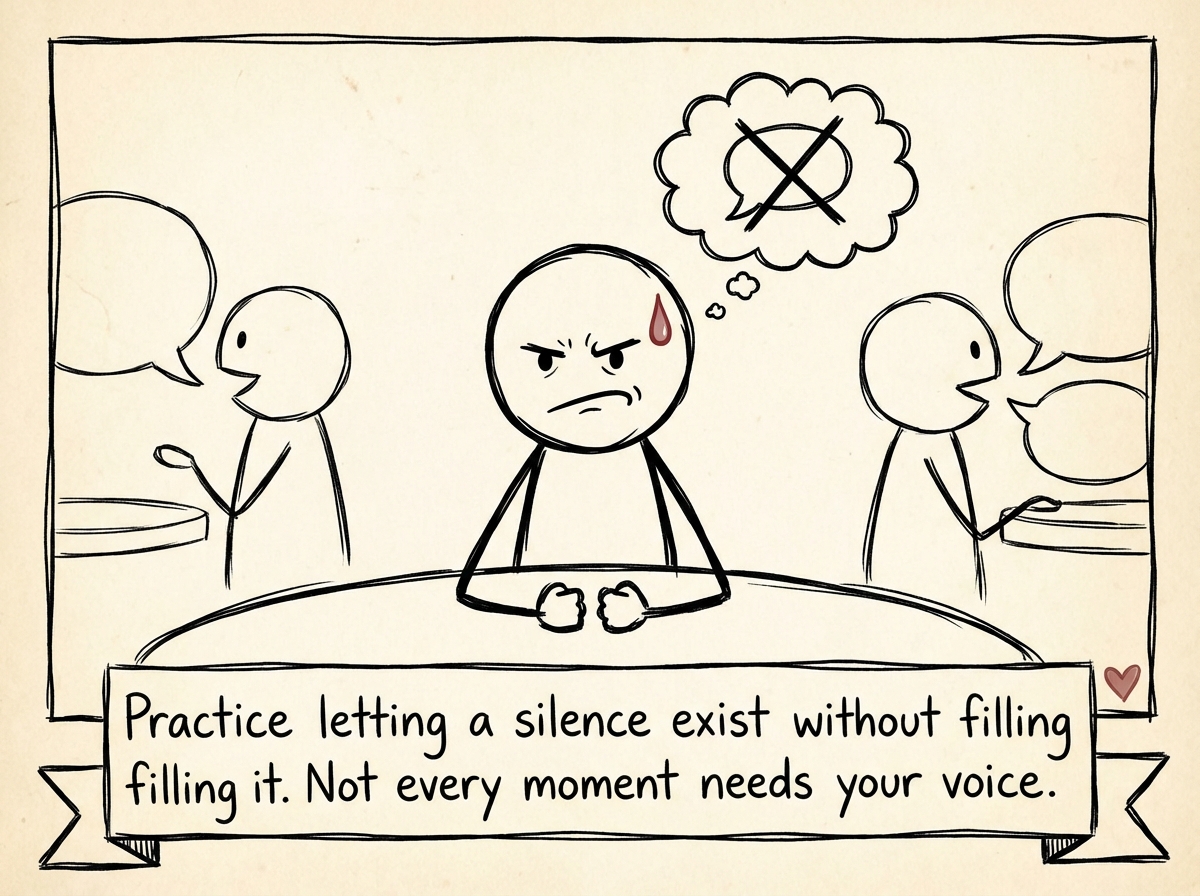
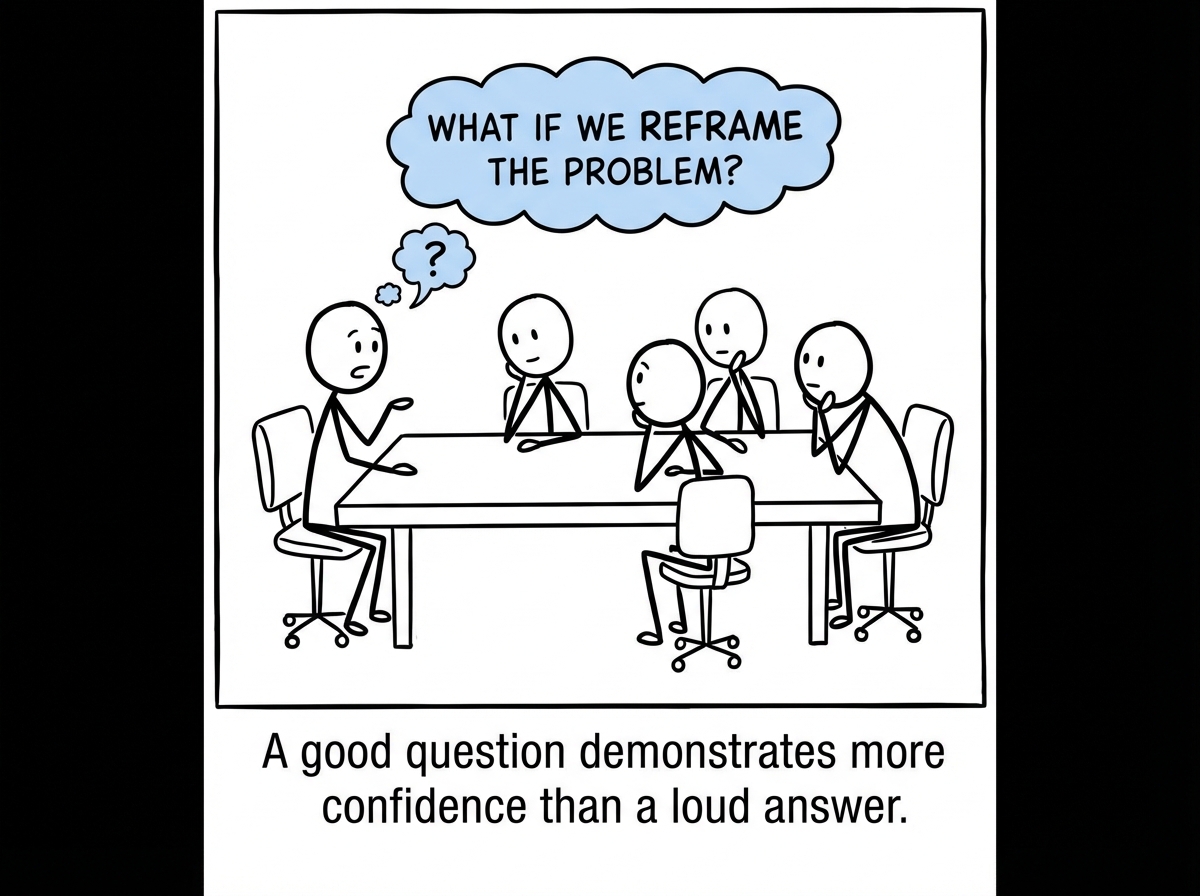
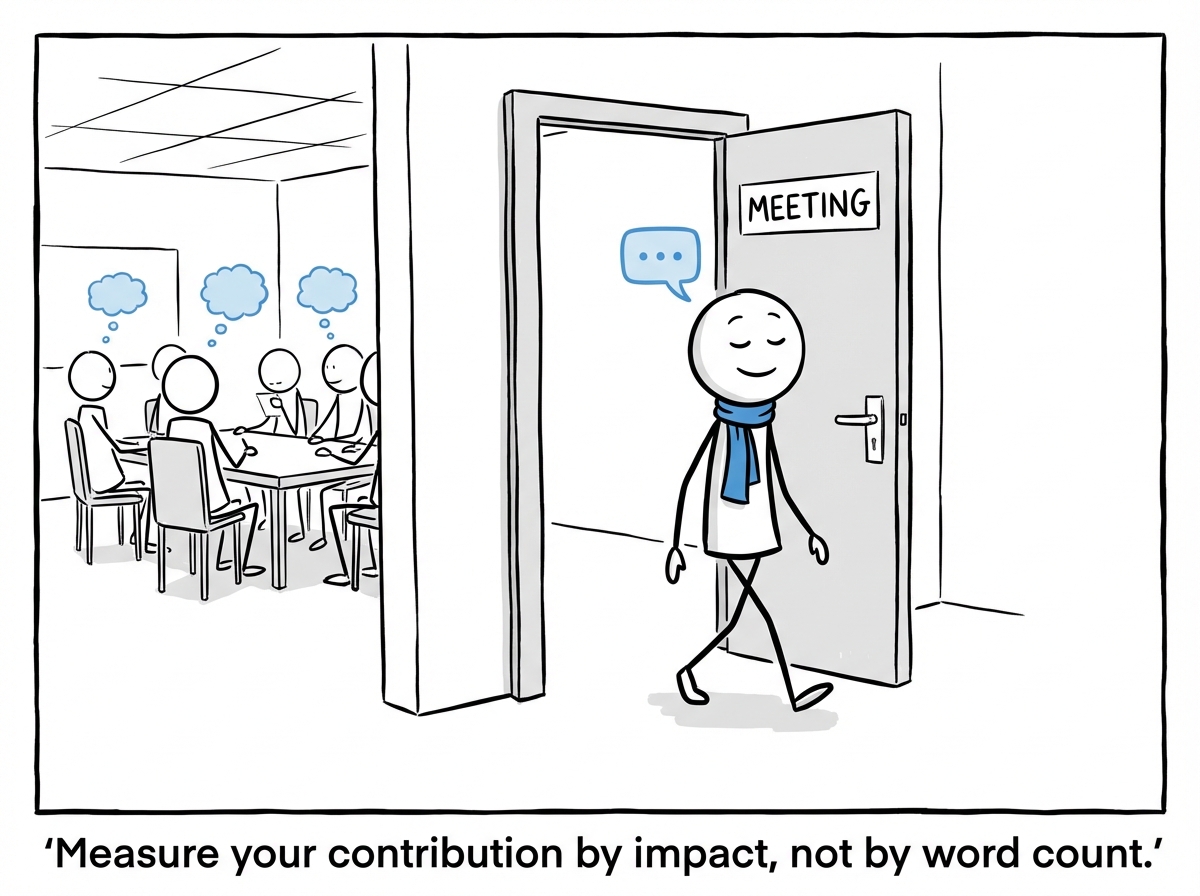
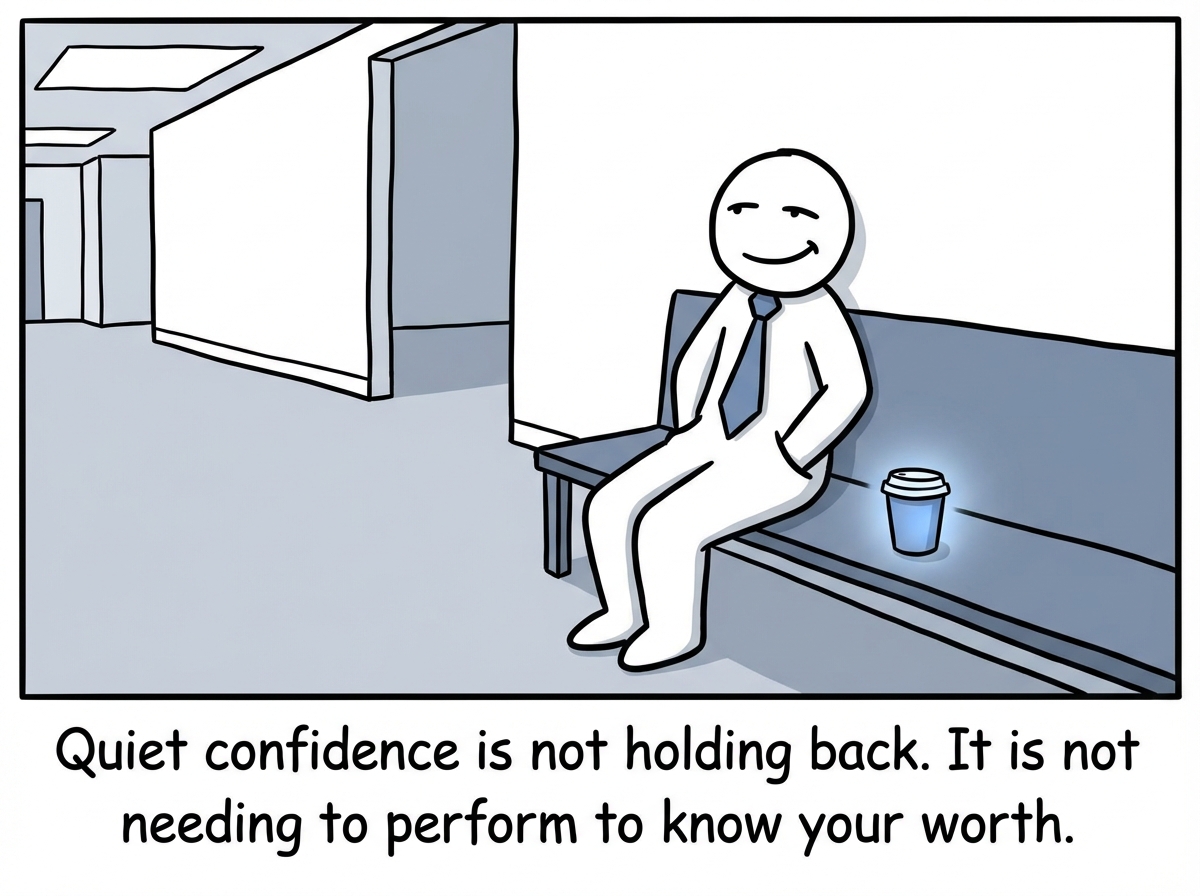
We have been conditioned to equate confidence with volume. The person who talks the most, interrupts the most, and declares the most is assumed to be the most confident. But volume is not confidence. Volume is often the sound that insecurity makes when it is trying to be seen. Quiet confidence does not fight for airtime because it does not need airtime to exist. It is the person who listens more than they speak, asks questions instead of making declarations, and says one clear thing that shifts the entire direction of a conversation. It is not about being passive or withdrawn. It is about being so secure in yourself that you do not need the room to validate you. The loudest room effect is the cultural bias that rewards performed confidence over genuine competence. In meetings, the person who speaks first and most is often remembered as the most knowledgeable -- even when their contributions were surface-level. Meanwhile, the person who waited, listened, and offered one precise insight is forgotten because they did not perform confidence in the expected way. This bias has real consequences. It puts the wrong people in charge. It silences deep thinkers. It rewards style over substance. And it teaches everyone watching that the way to be valued is to be loud, even when you have nothing to say. Reclaiming quiet confidence means deciding that your worth is not determined by how much space you take up in a room.
Key Takeaway
The loudest person in the room is rarely the most confident. They are usually the most afraid of being overlooked.