The Overqualified Doubter
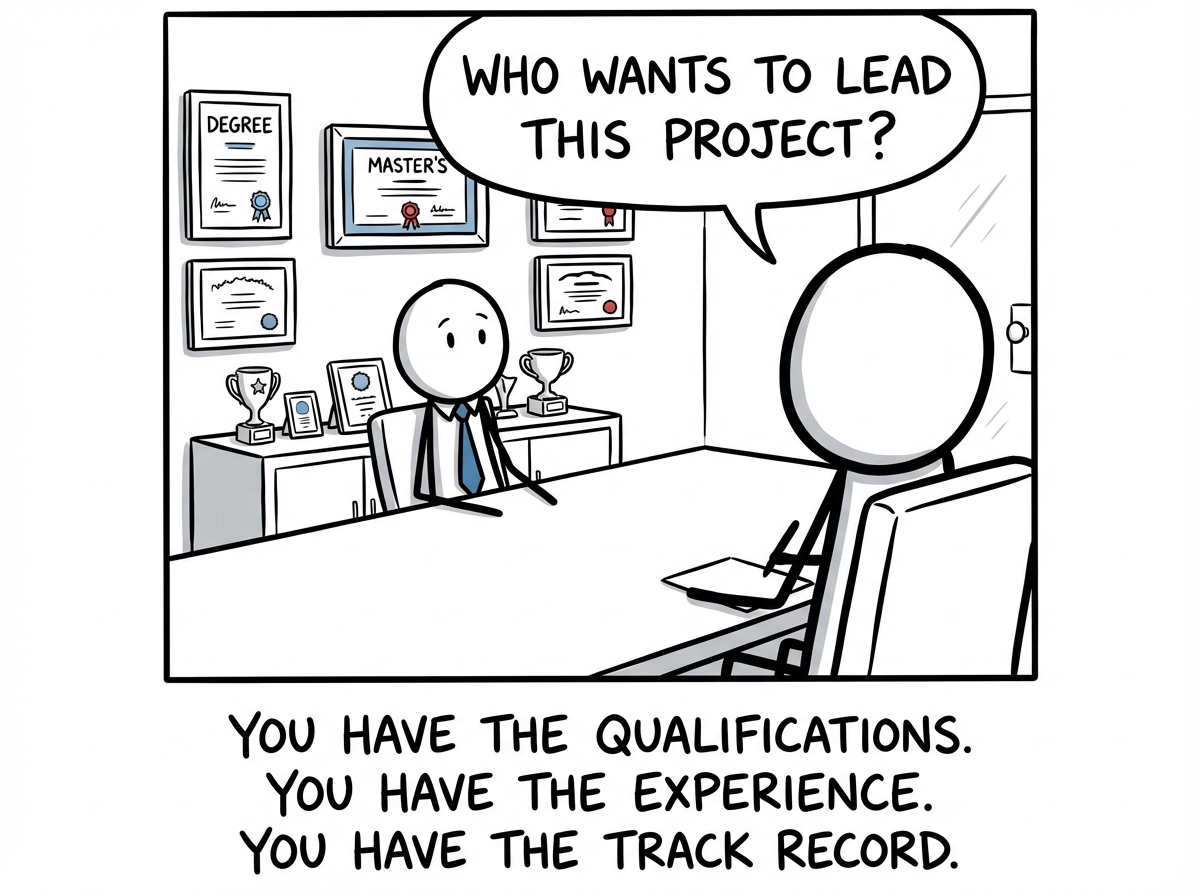
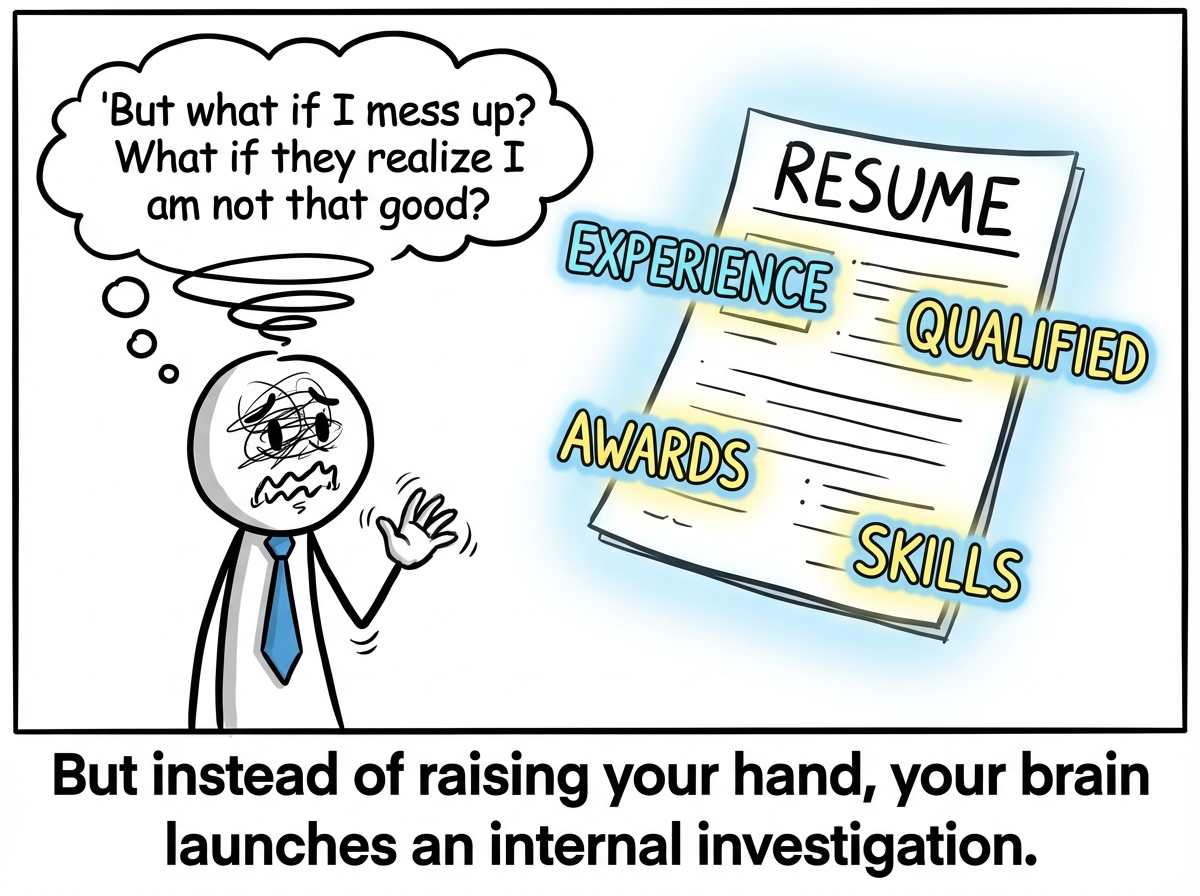
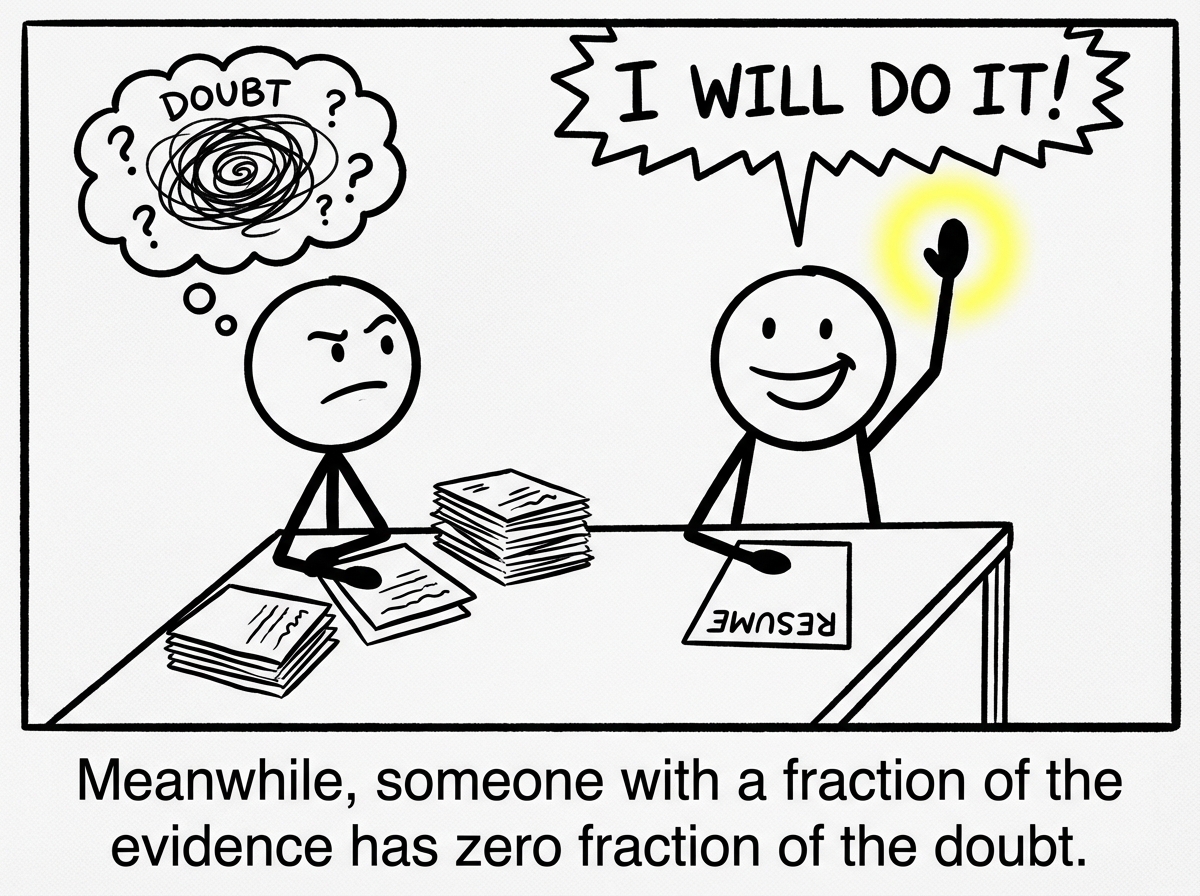
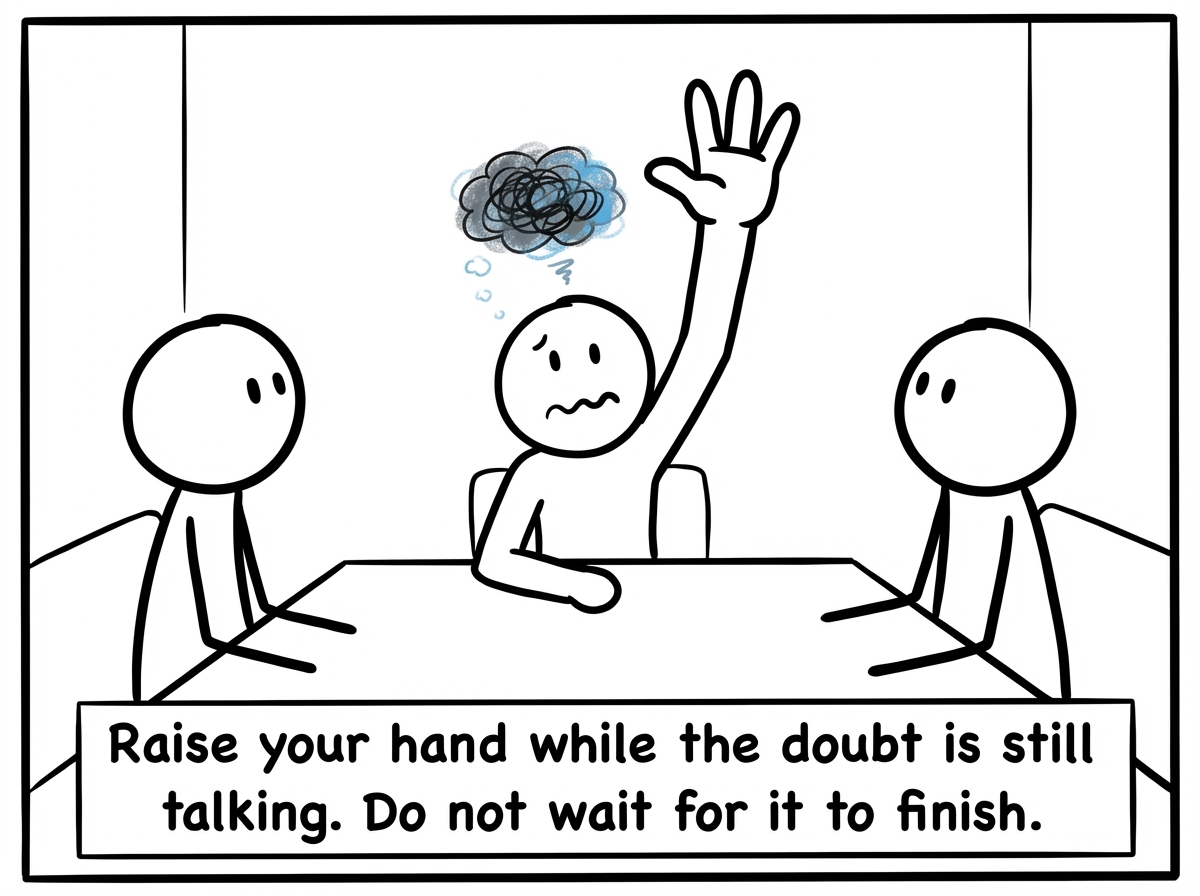
A person with stacks of credentials, experience, and achievements still cannot raise their hand in a meeting -- while someone with a fraction of the qualifications volunteers without hesitation.
Explanation
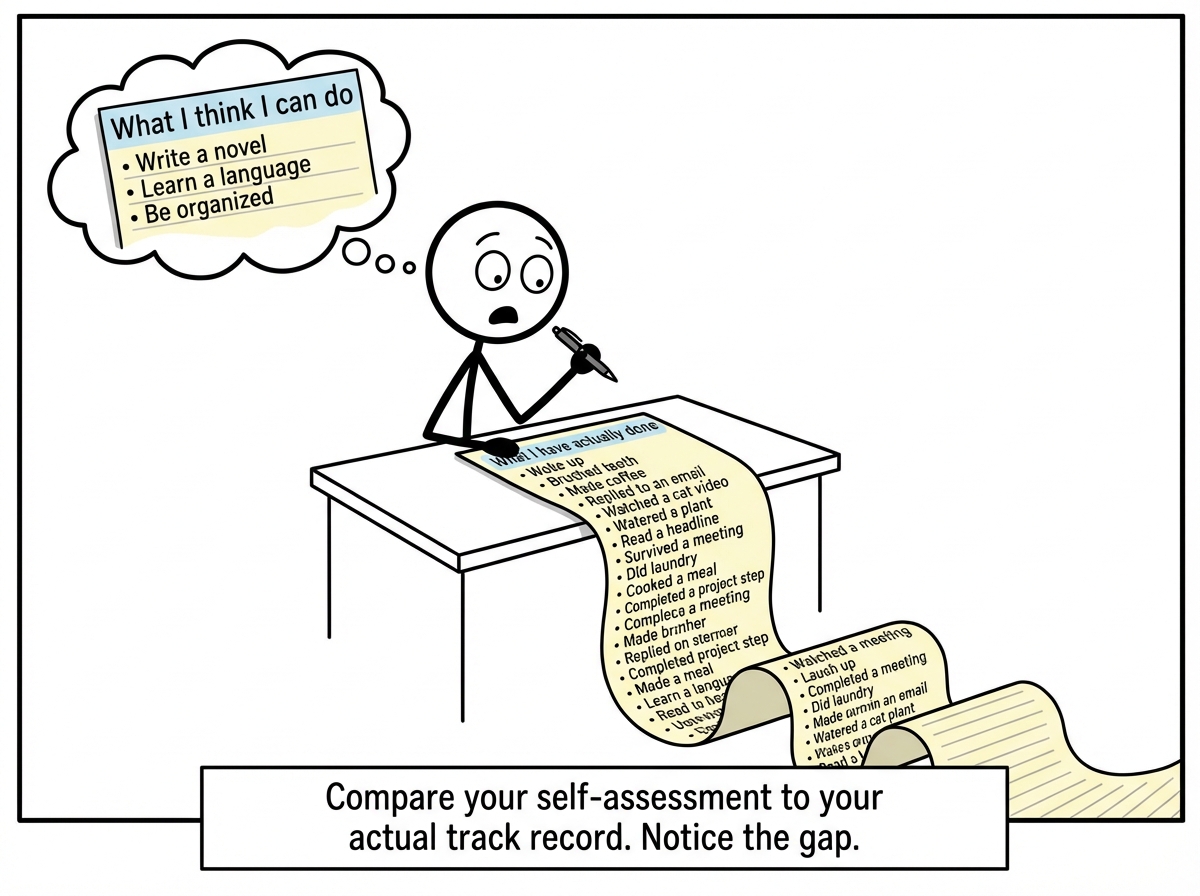
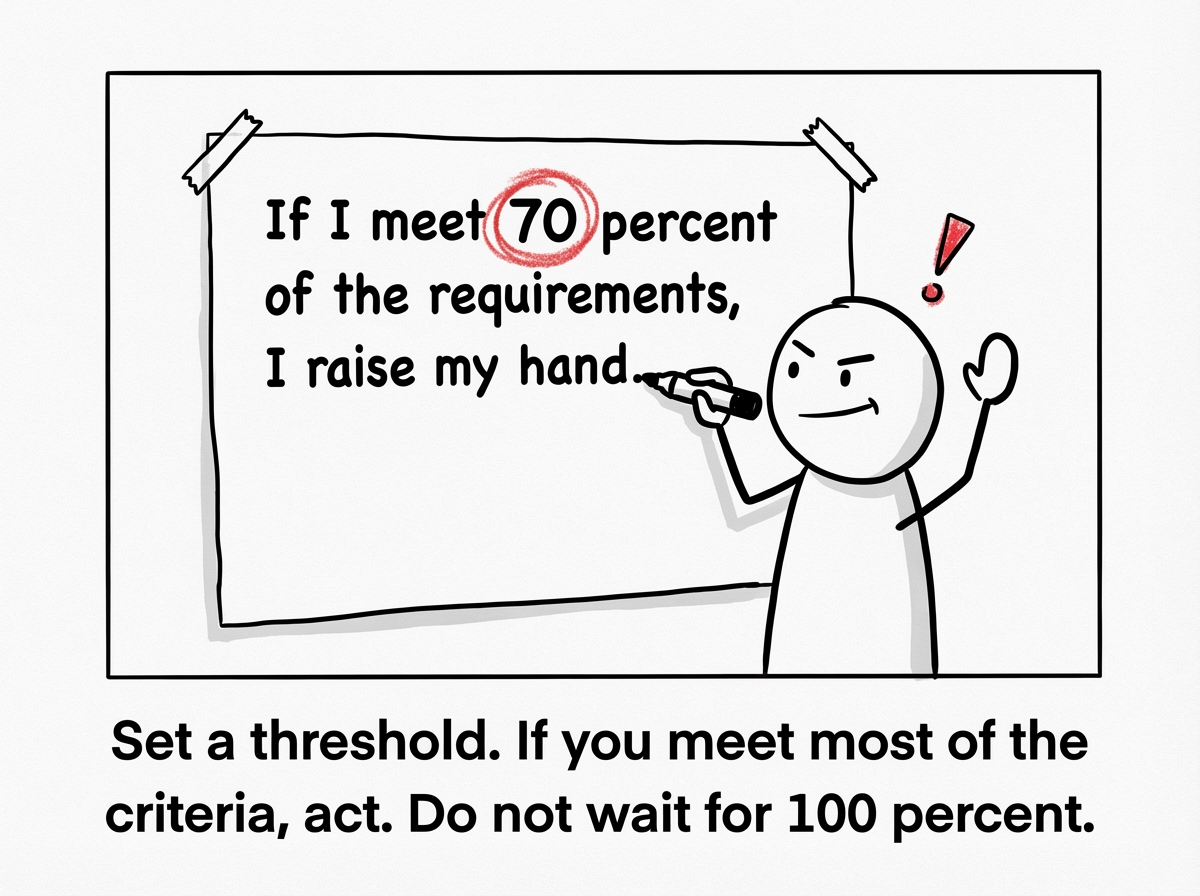
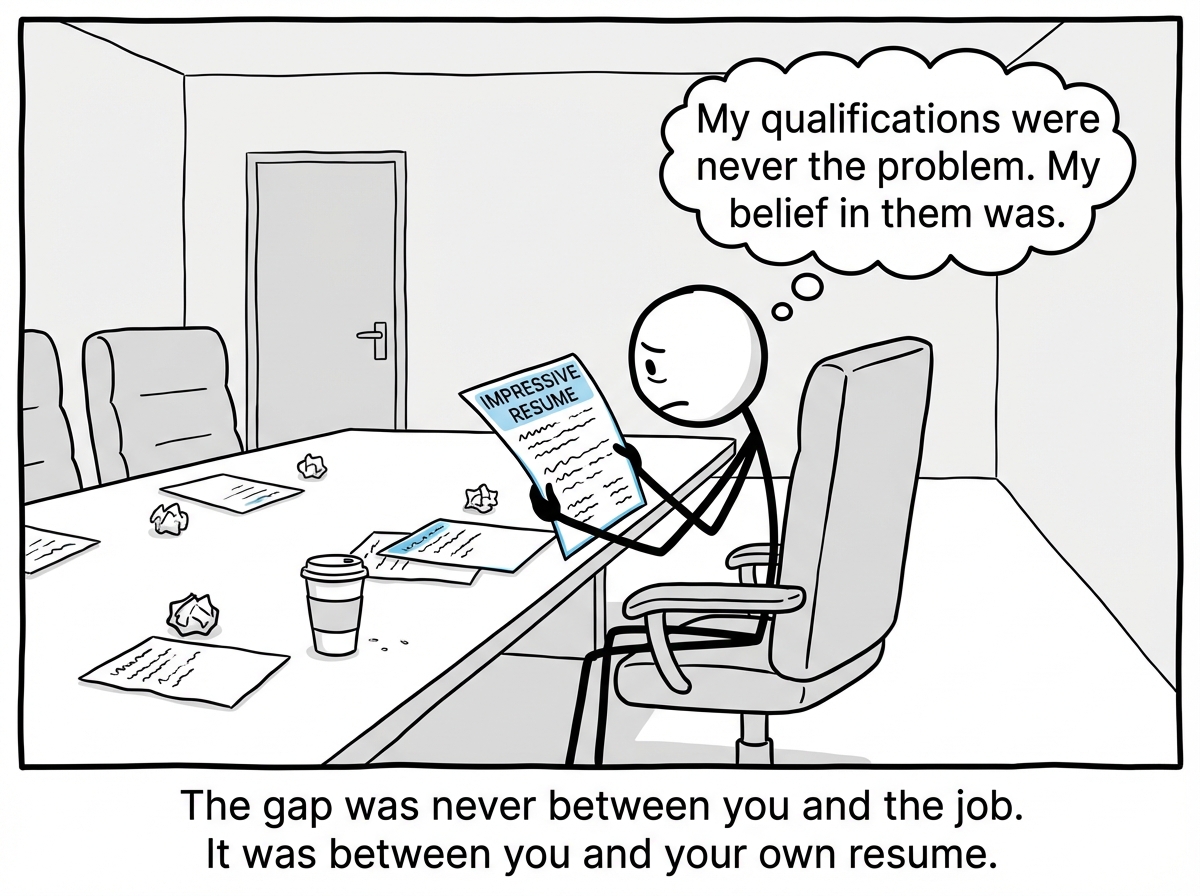
The confidence gap is one of psychology's cruelest ironies: the more you know, the less confident you often feel. This is because competence breeds awareness of complexity. When you are an expert, you see all the nuances, exceptions, and ways things could go wrong. When you are a beginner, everything looks simple because you do not know what you do not know. The overqualified doubter is the person who has every reason to trust themselves but cannot. They have the degree, the experience, the track record -- and yet when the moment comes to raise their hand, speak up, or apply for the thing, a voice inside says: 'But what if I am not actually good enough?' Meanwhile, someone with half the qualifications and twice the confidence steps forward without a second thought. This is not a personal failing. It is a systematic pattern. Research shows it disproportionately affects women, minorities, and people who grew up in environments where their achievements were minimized or treated as expected rather than celebrated. The confidence gap is structural as much as psychological. Closing the gap does not mean becoming arrogant or ignoring your limitations. It means recalibrating your internal assessment to match your actual track record. It means acting on your qualifications rather than waiting for a feeling of readiness that may never arrive. Because the gap between what you can do and what you believe you can do is not protecting you. It is holding you back.
Key Takeaway
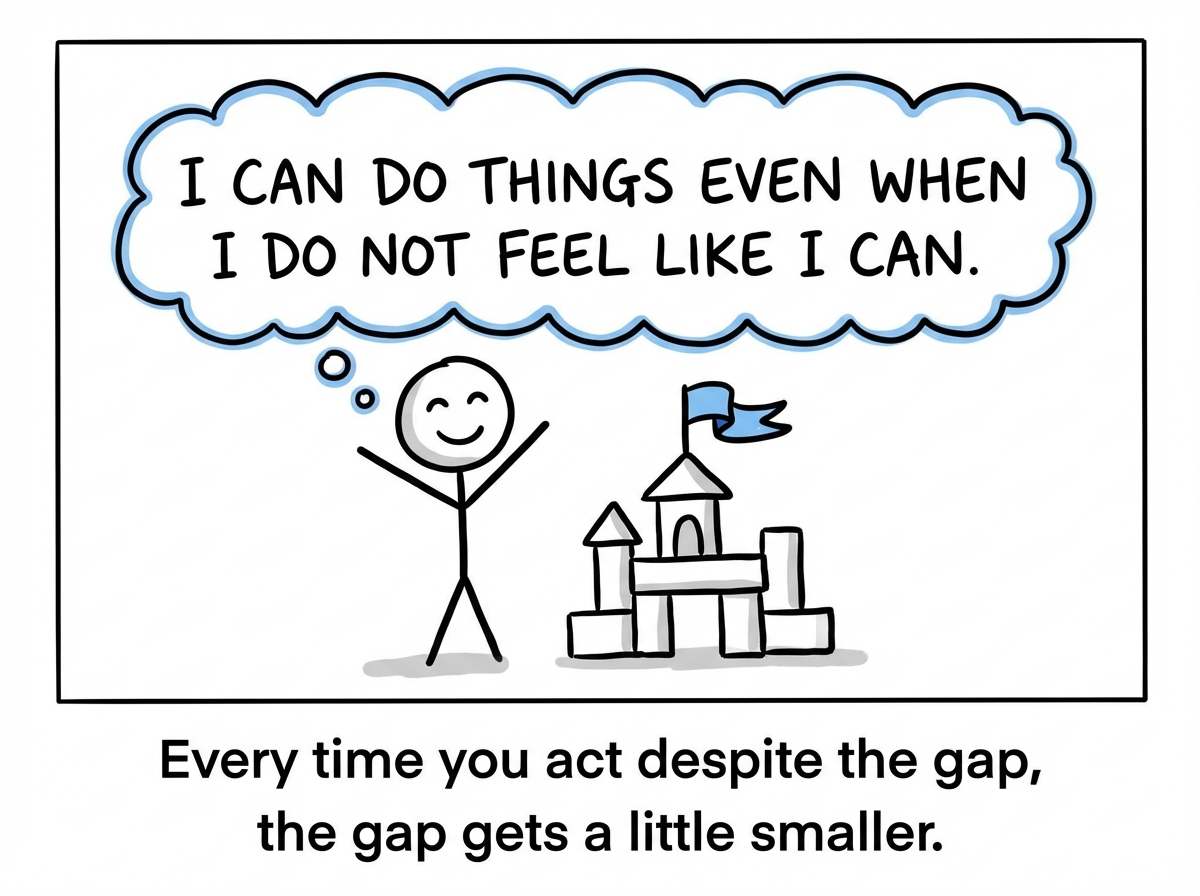
Your doubt is not evidence of your limitations. It is evidence of your awareness. Act on qualifications, not on feelings of readiness.