Mount Stupid
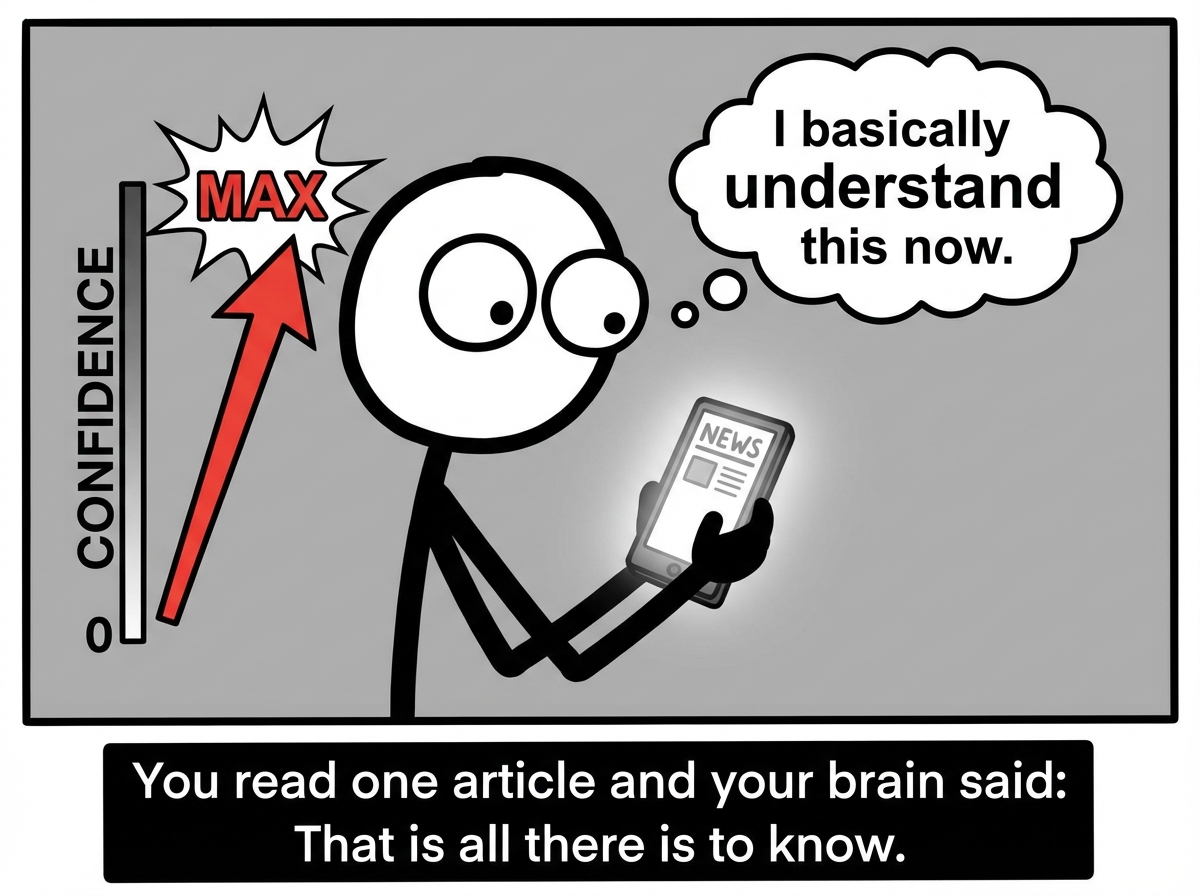
A person reads one article about a topic and immediately declares themselves an expert -- then slowly discovers how much they did not know they did not know.
Explanation
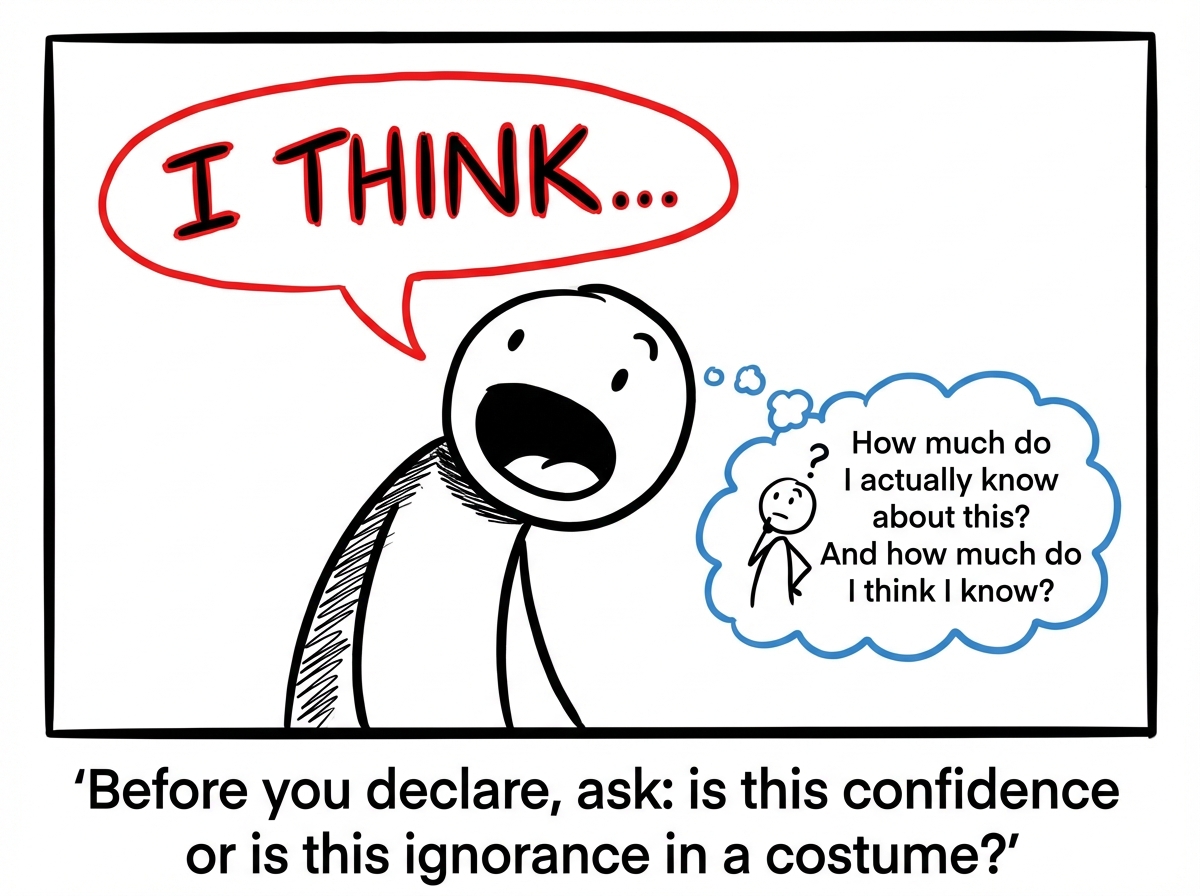
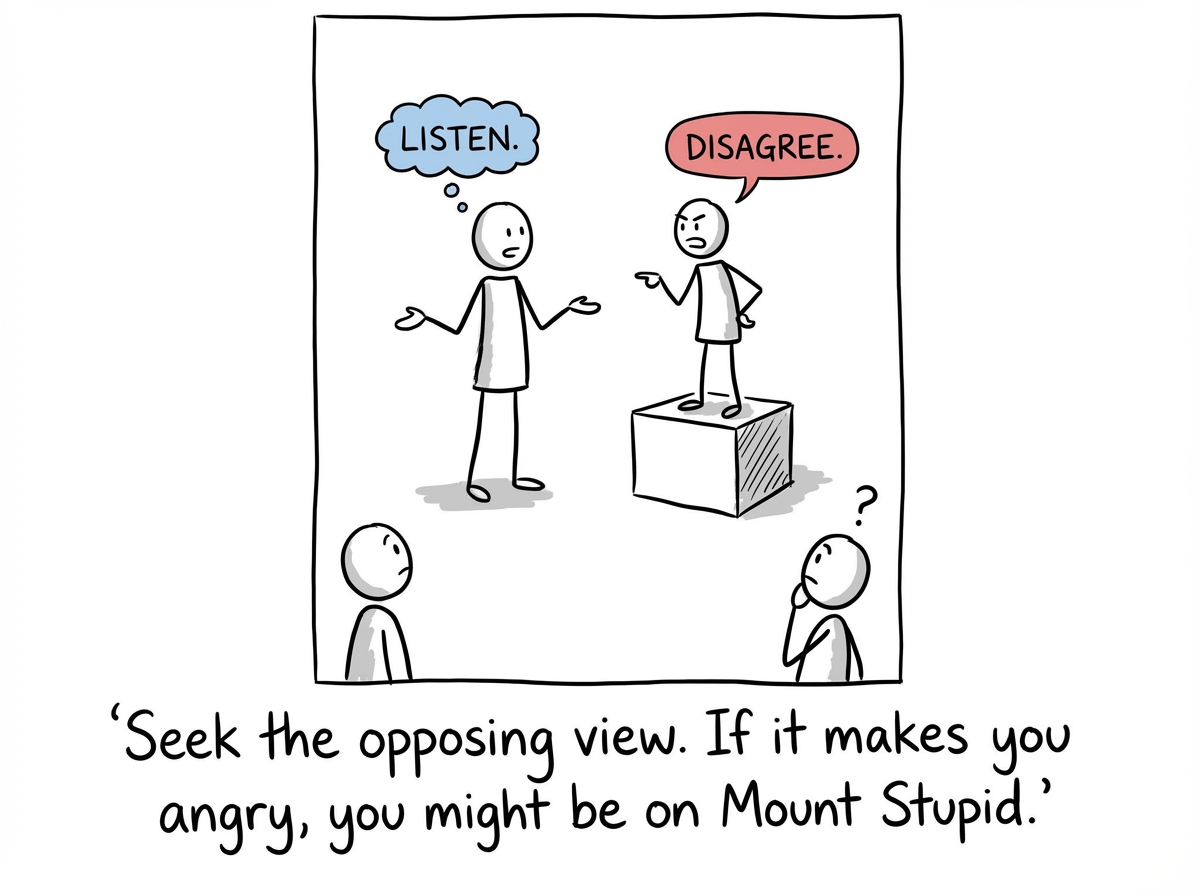
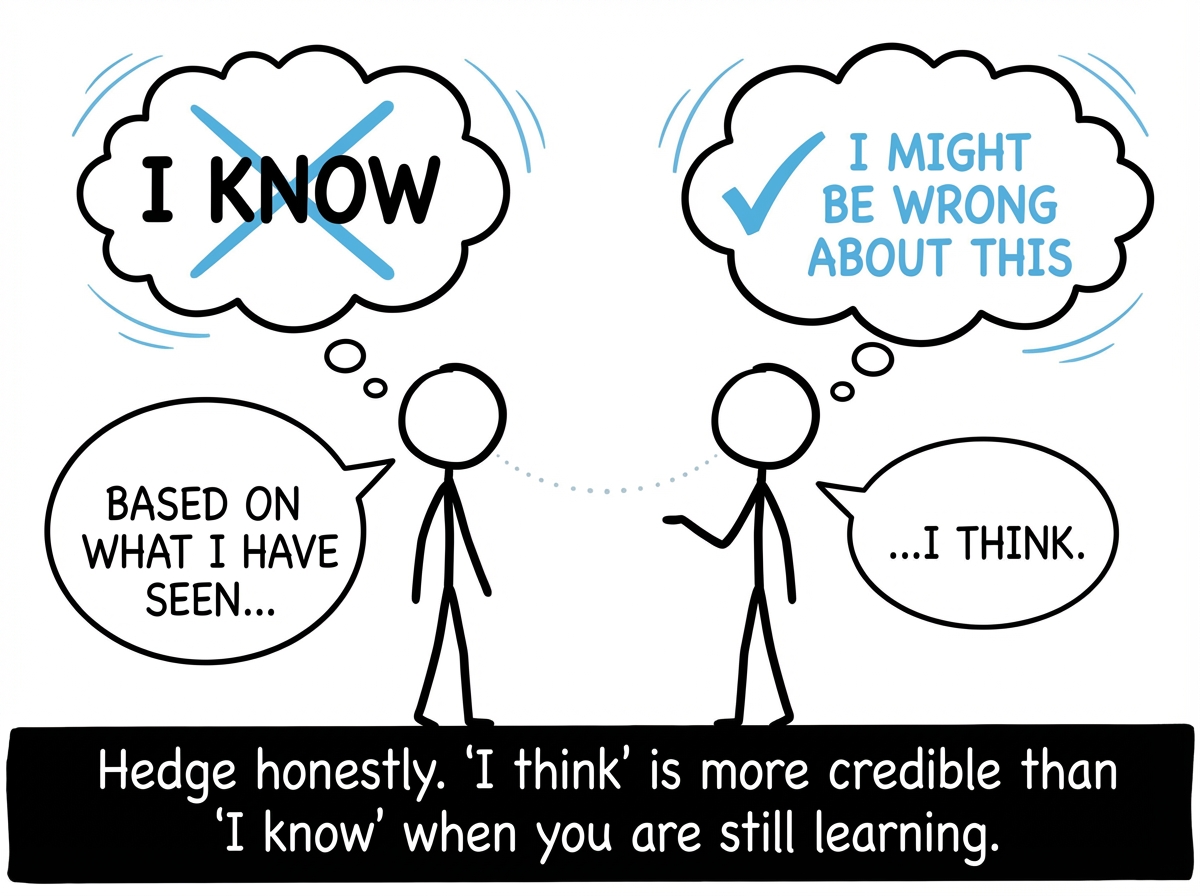
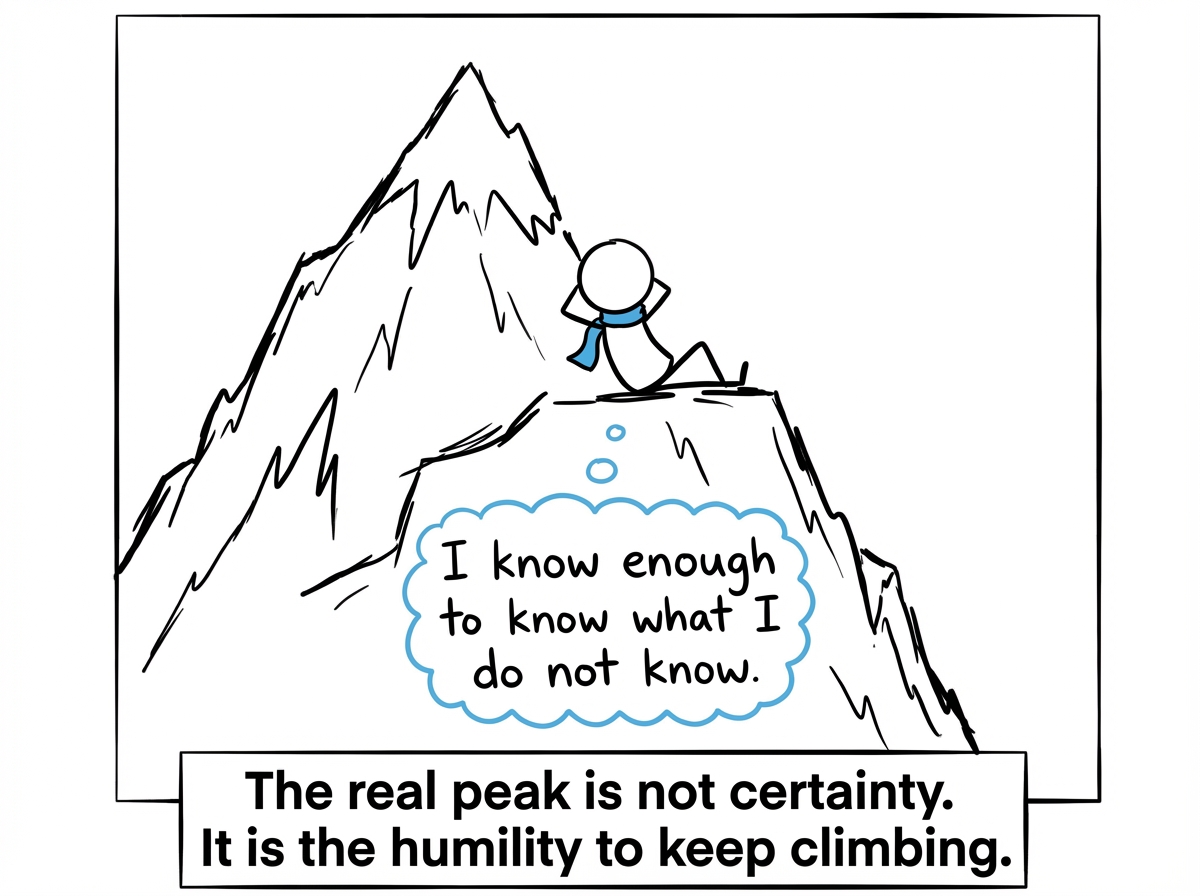
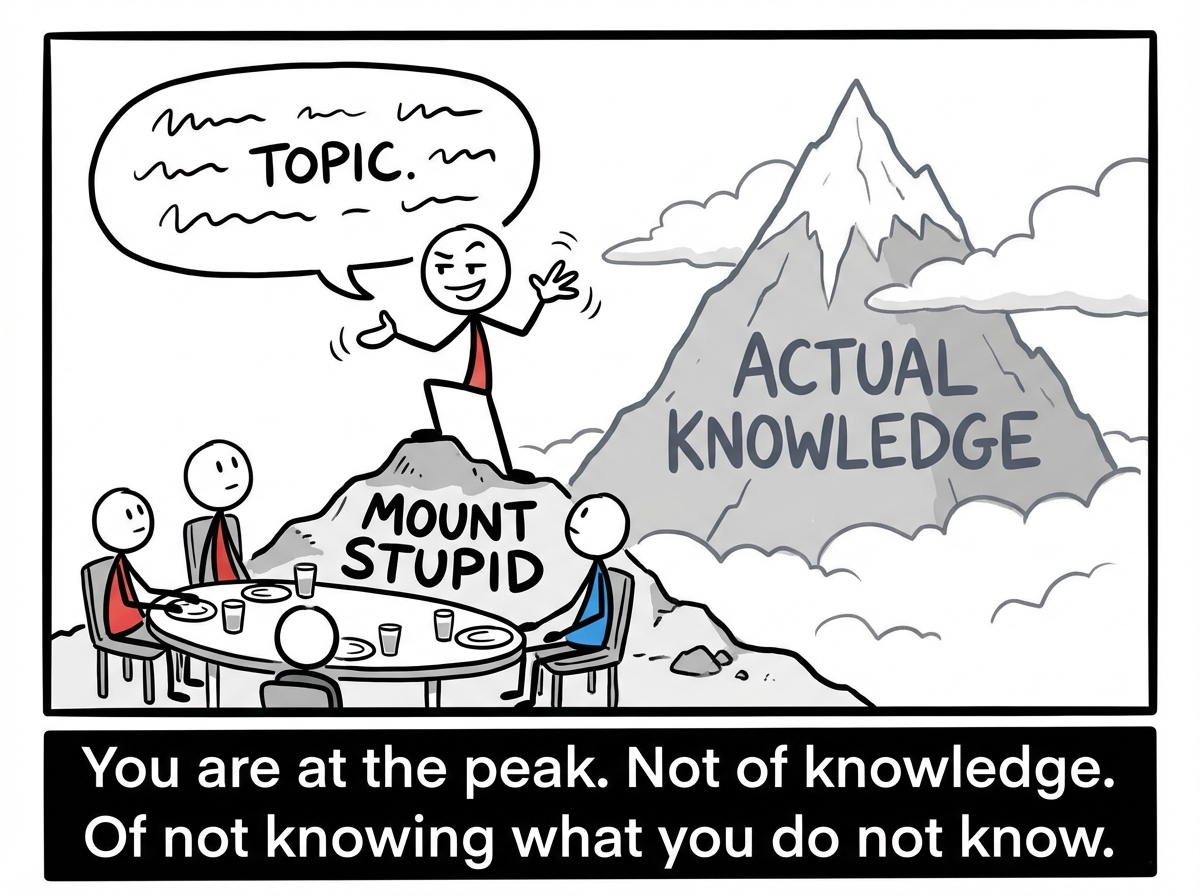
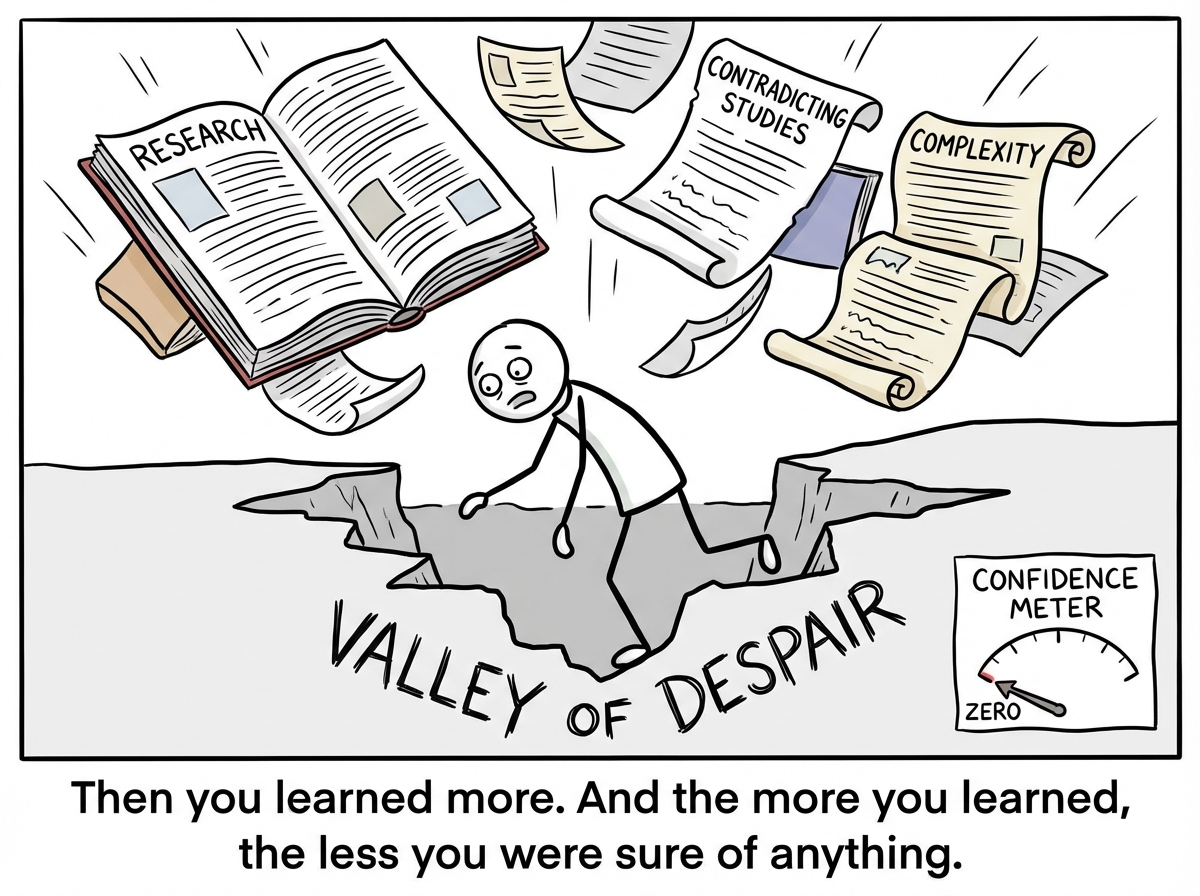
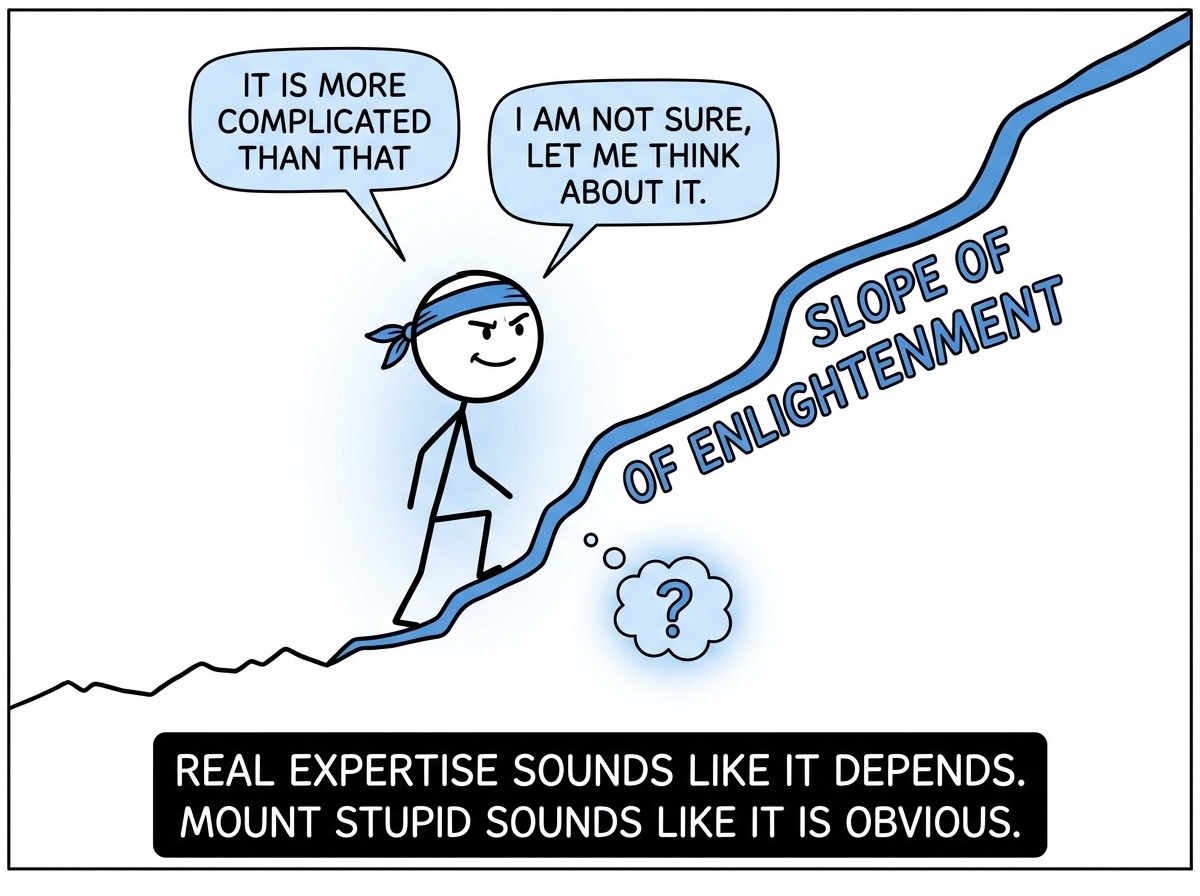
In 1999, psychologists David Dunning and Justin Kruger published a study that would become one of the most referenced findings in modern psychology. They found that people with the least knowledge in a domain were the most likely to overestimate their competence, while people with the most knowledge were the most likely to underestimate theirs. The graph this produces has become iconic: a sharp peak of confidence right after initial learning (informally called Mount Stupid), followed by a crash into the Valley of Despair as real complexity reveals itself, then a slow, humble climb toward actual expertise. Mount Stupid is everywhere. It is the person who took one psychology class and now diagnoses everyone. The investor who read one book and is certain about the market. The parent who watched one TED talk and is now an expert on child development. The confidence at the peak is not malicious -- it is a natural result of not knowing what you do not know. When your map of a subject is small, it looks complete. The danger is that Mount Stupid confidence is often louder and more certain than expert confidence. Experts hedge, qualify, and say 'it depends.' Beginners declare, assert, and say 'it is obvious.' In a culture that rewards certainty, the person on Mount Stupid often sounds more convincing than the person who actually understands the topic. The antidote is not less confidence. It is more humility -- the kind that says 'what am I not seeing?' before 'let me tell you what I know.'
Key Takeaway
The peak of confidence is not the peak of knowledge. The smartest thing you can say is 'I might be wrong.'