The Package Mountain
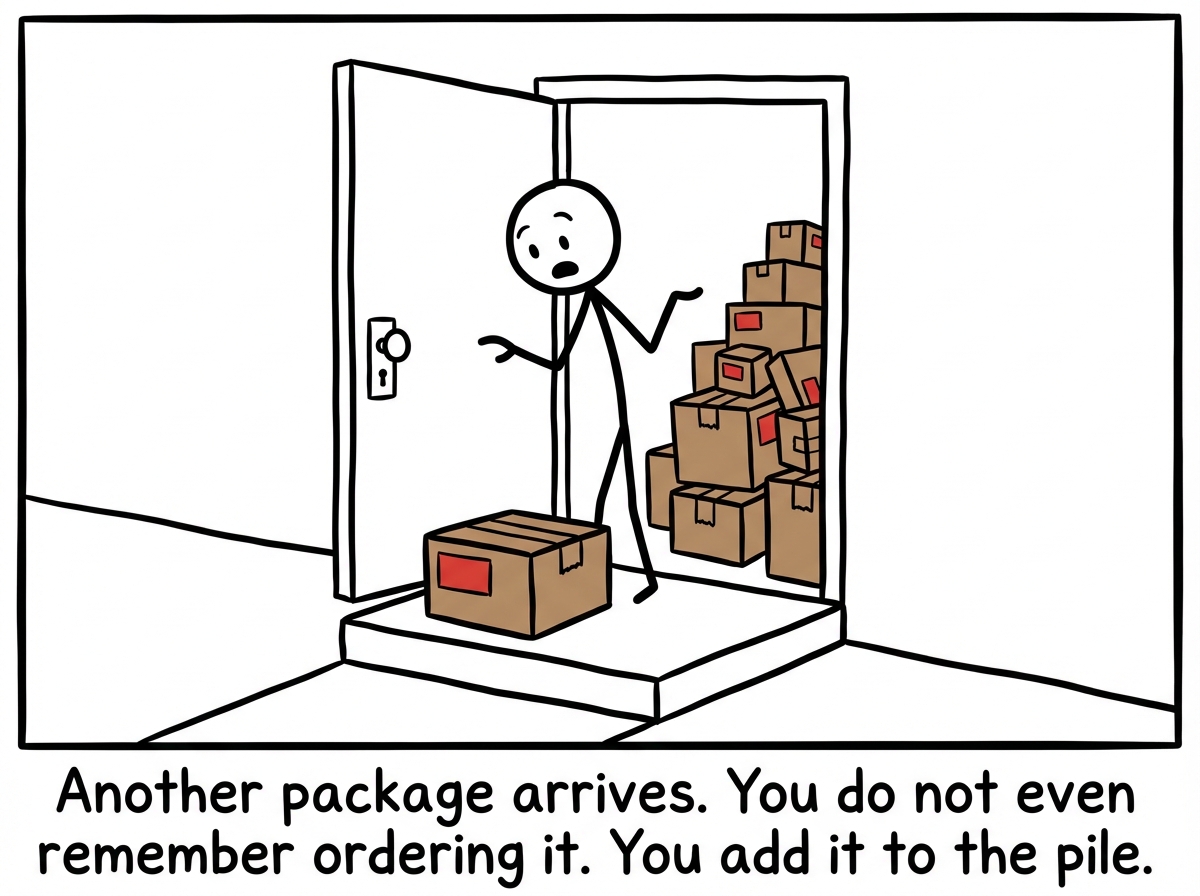
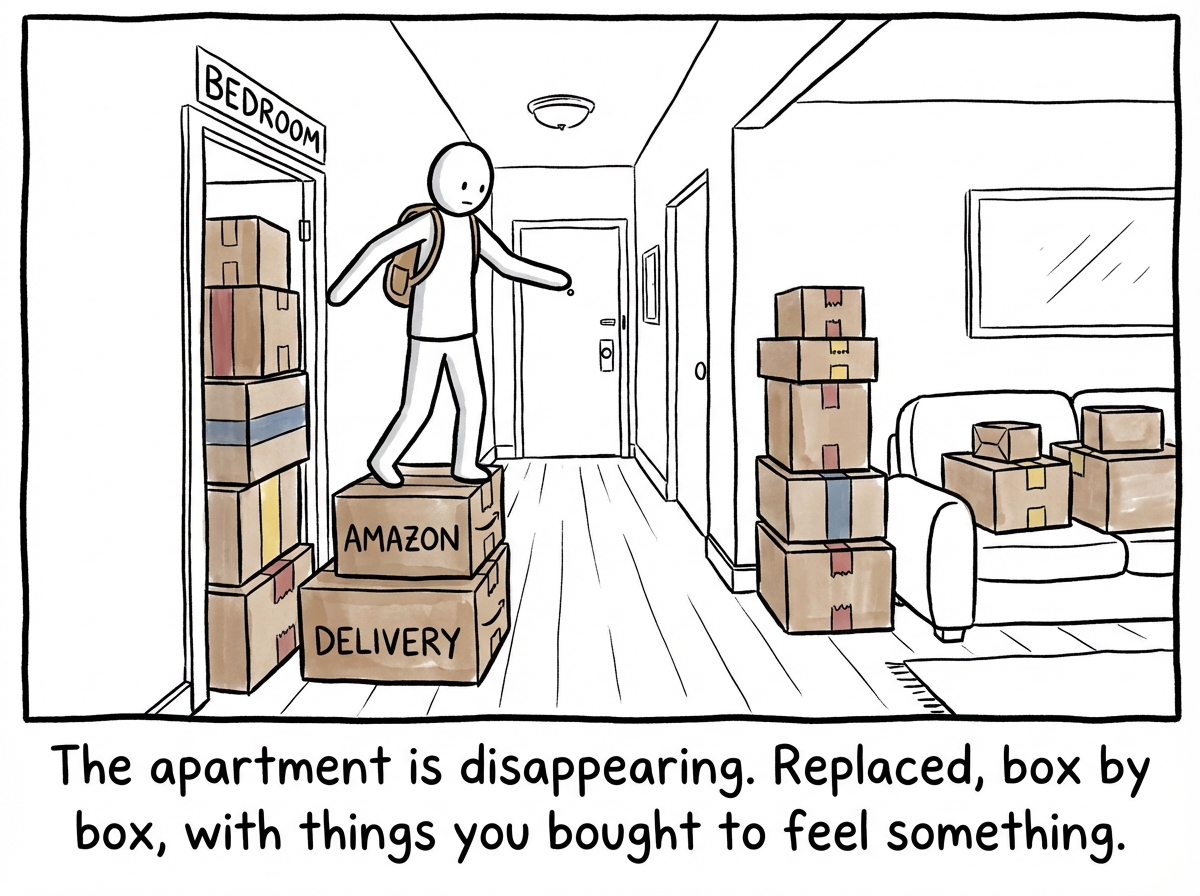
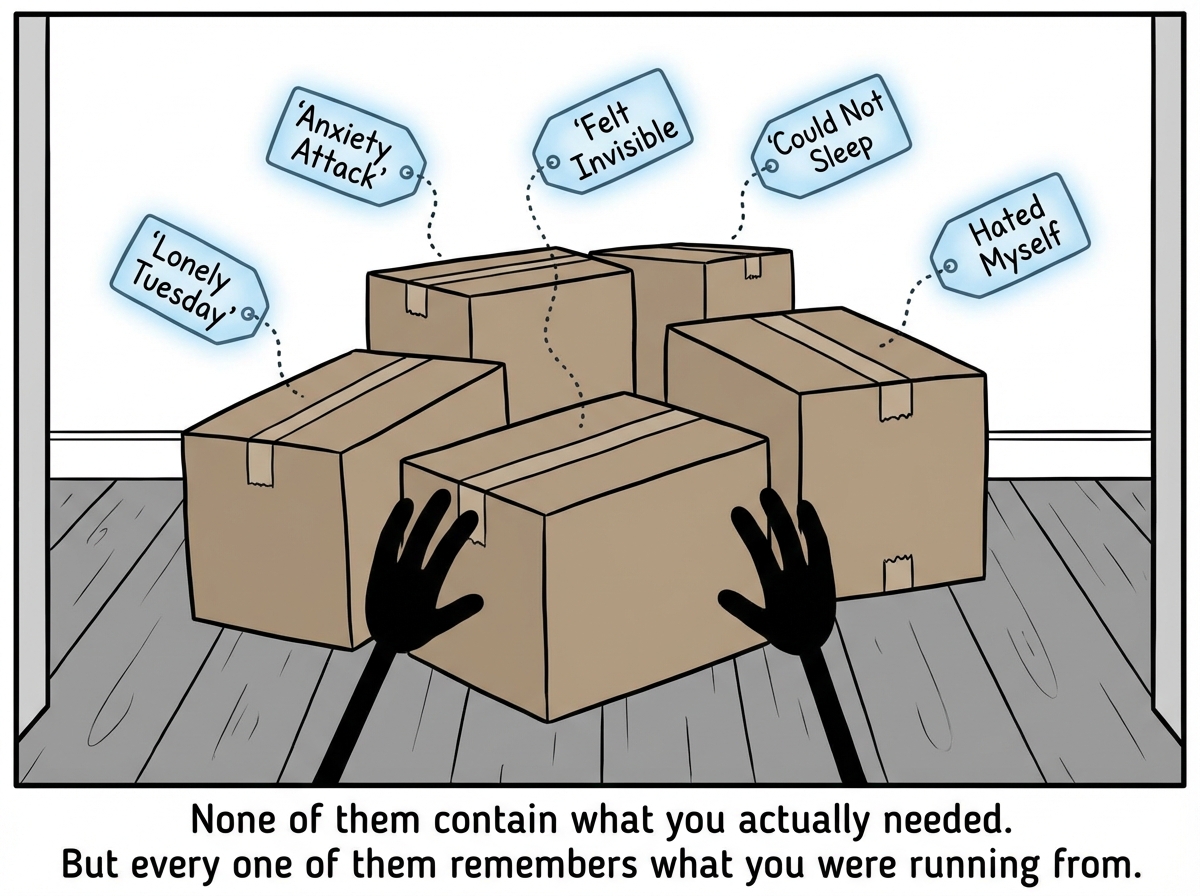
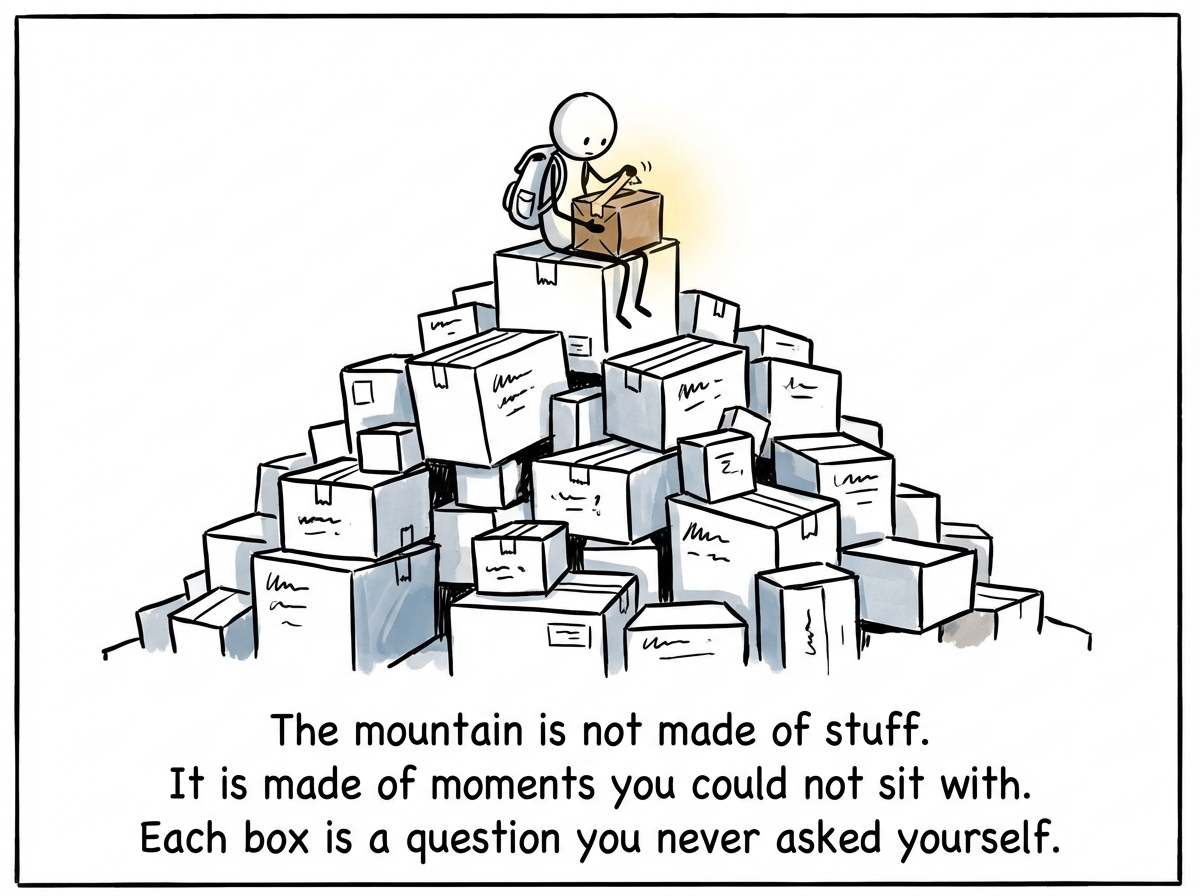
A person's apartment is slowly consumed by delivered packages they never open, each one a monument to a feeling they tried to buy their way out of.
Explanation
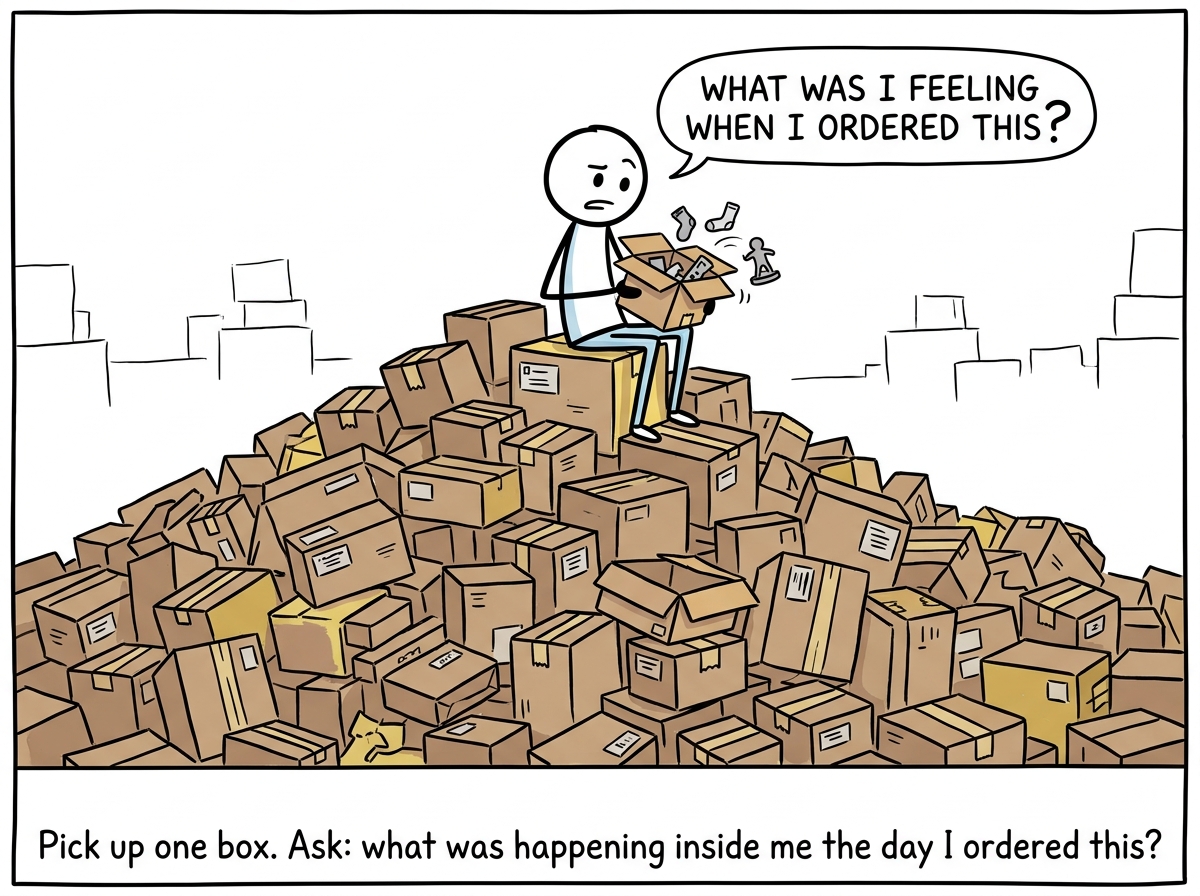
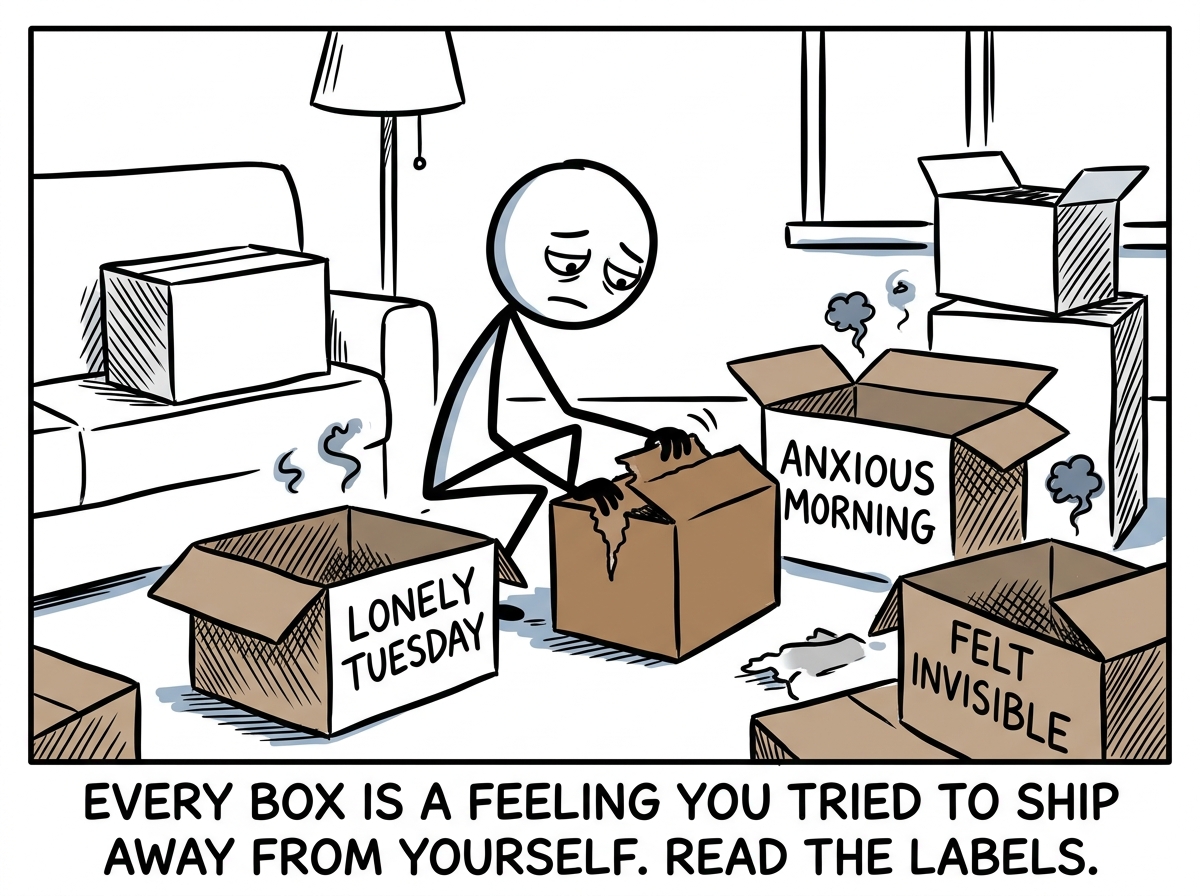
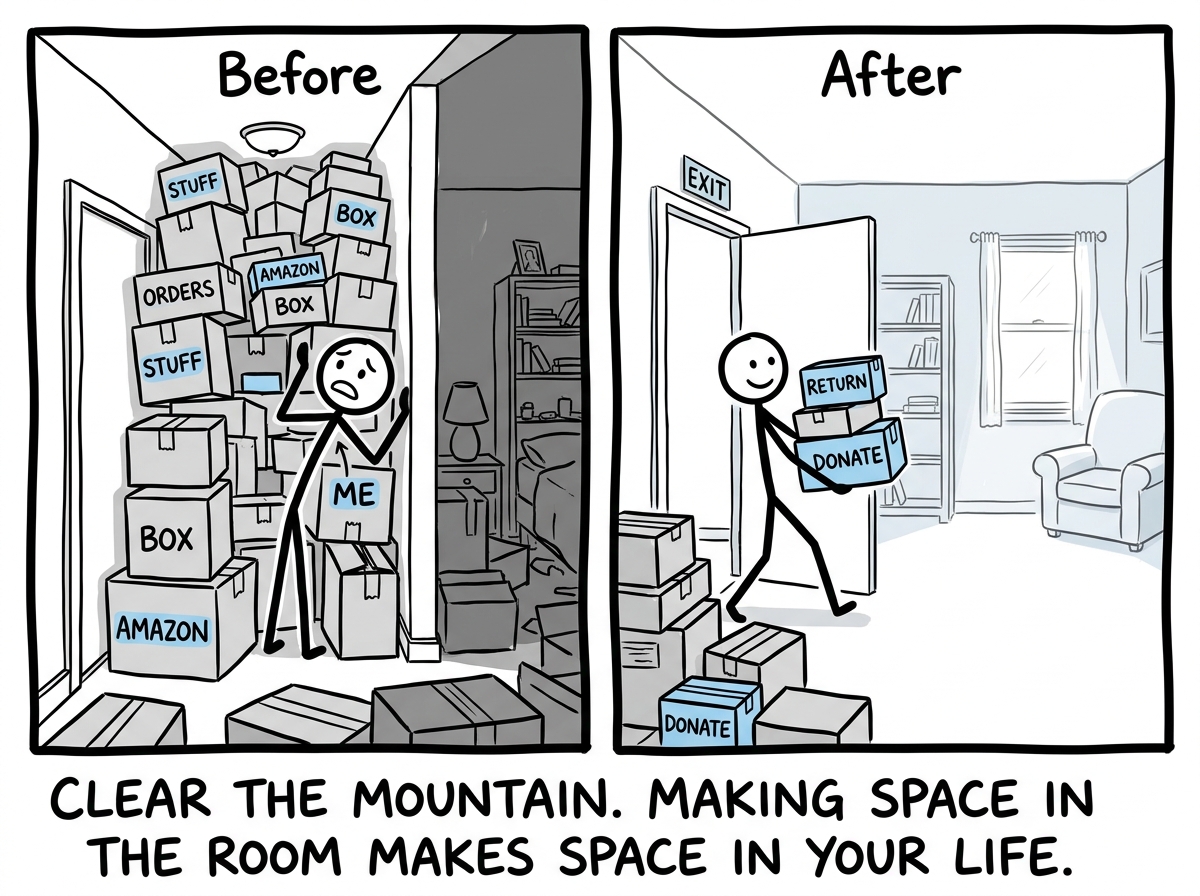
The packages arrive daily now. Some you open. Most you do not. They stack up in the hallway, the bedroom, the corners you used to walk through freely. Each one represents a moment -- a Tuesday night when the loneliness was too loud, a Saturday afternoon when the anxiety would not stop, a Wednesday morning when you felt so invisible that buying something felt like the only proof you existed. You cannot throw them away because that would mean admitting the purchase was pointless. But you cannot open them because the fantasy was always better than the reality. So they sit there. A mountain of feelings disguised as deliveries. Donald Black's research on compulsive buying disorder found that hoarding unopened purchases is a common feature of the condition, distinct from hoarding disorder. The unopened package represents the preserving of potential -- as long as it stays sealed, it retains the emotional promise that motivated the purchase. Opening it would collapse the fantasy into reality, which is the very thing compulsive buying is designed to avoid. The mountain is not a collection of objects. It is an archive of emotional states you could not process any other way. Dismantling the mountain -- literally and psychologically -- starts with picking up one package and asking: what was I feeling when I ordered this? Not what did I want, but what was happening emotionally that made buying something feel like the only solution? Each unopened box is a letter from your past self, and reading it honestly is more valuable than whatever is inside.
Key Takeaway
Every unopened package is a feeling you tried to purchase your way out of -- and it is still in there, waiting.