The Emotional Teflon
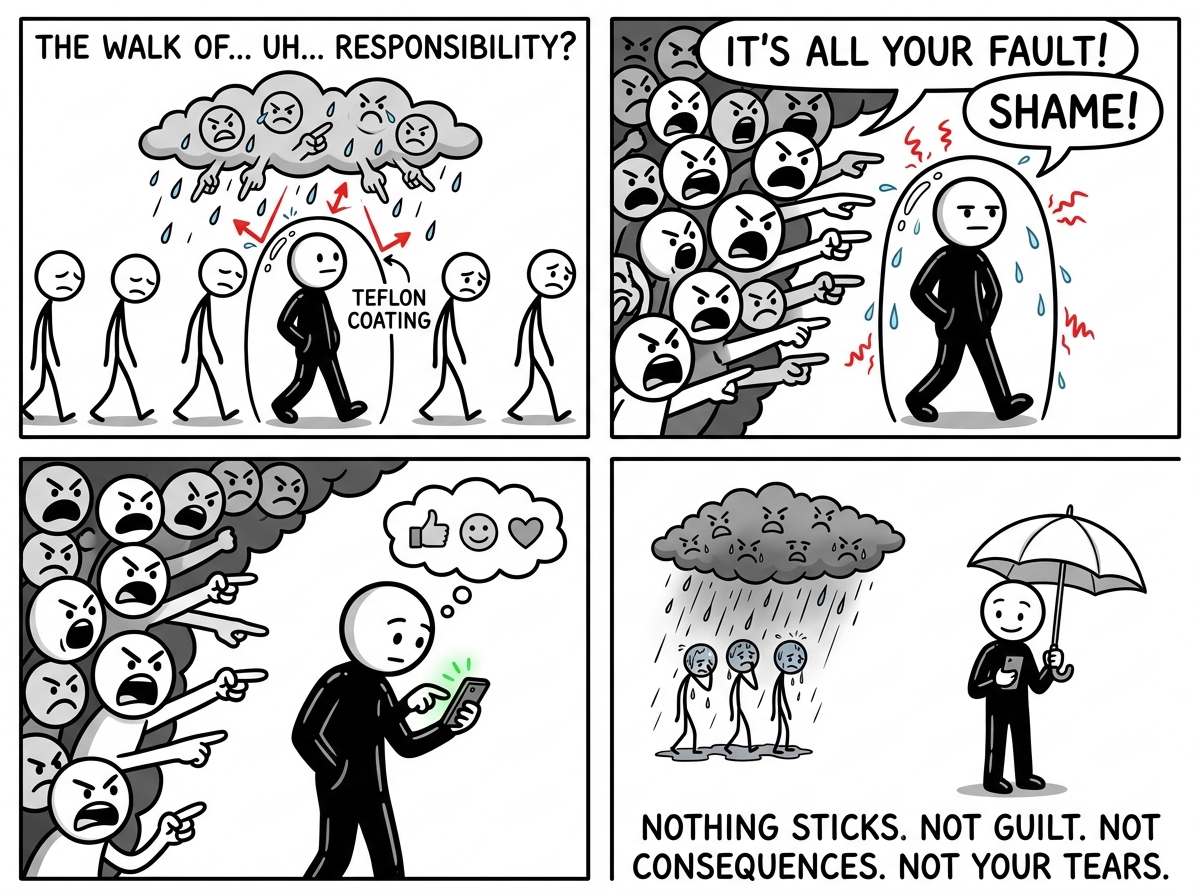
A person with psychopathic traits moves through situations that would devastate most people — betrayal, harm, consequences — and nothing sticks. No guilt, no shame, no lessons learned.
Explanation
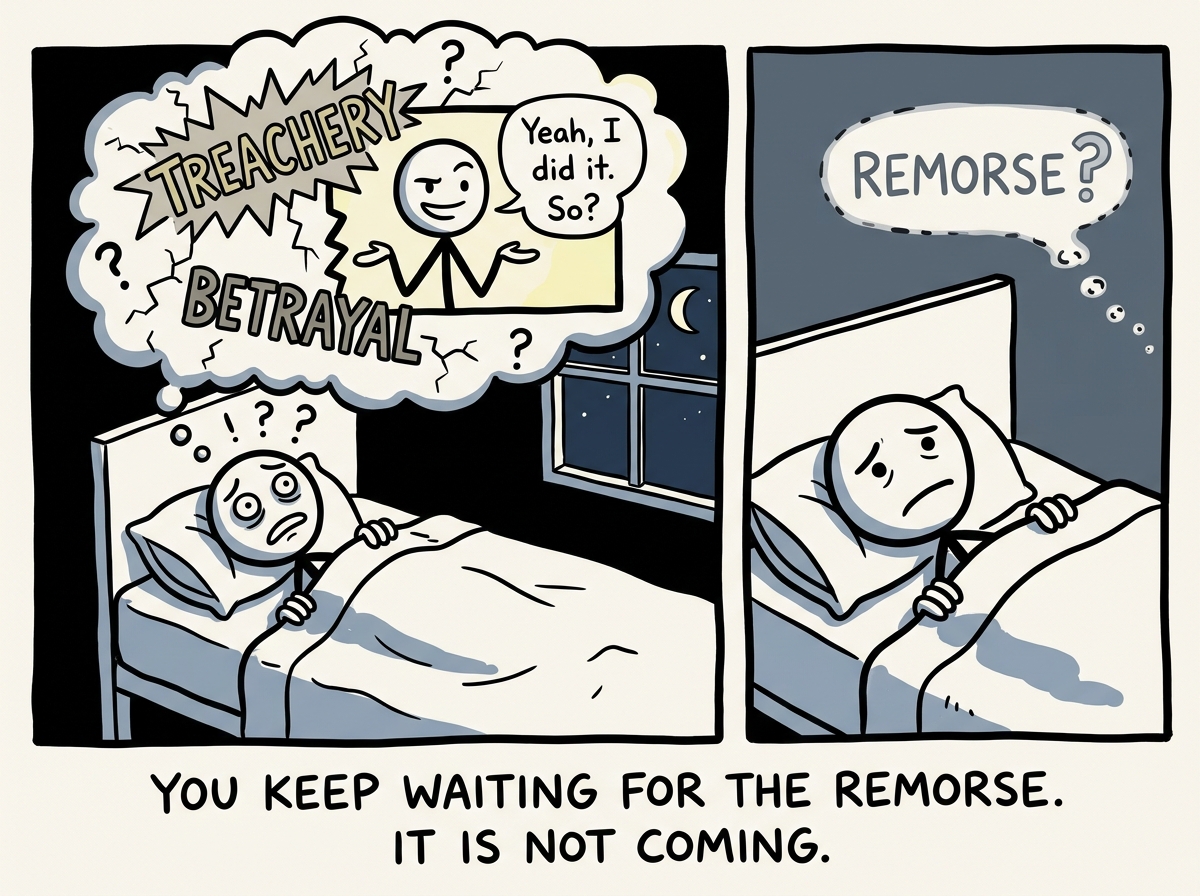
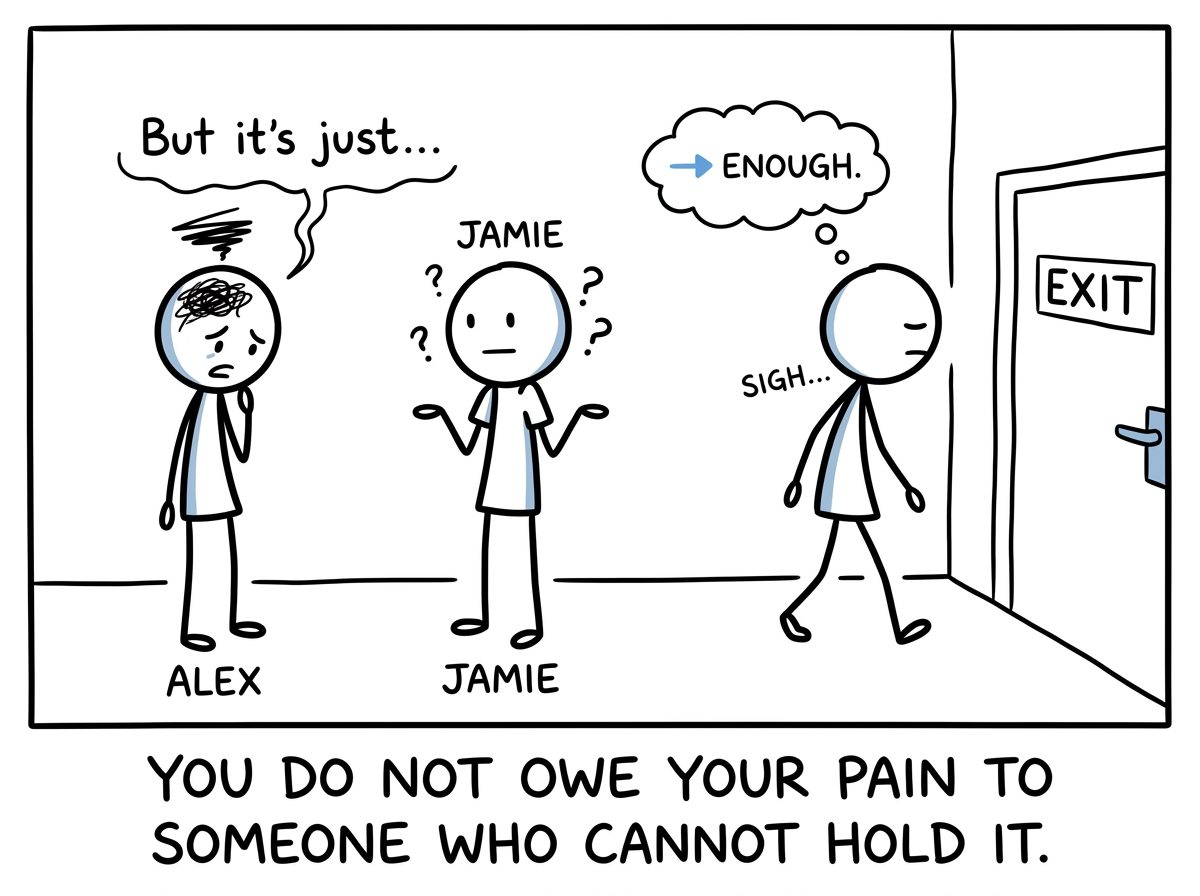
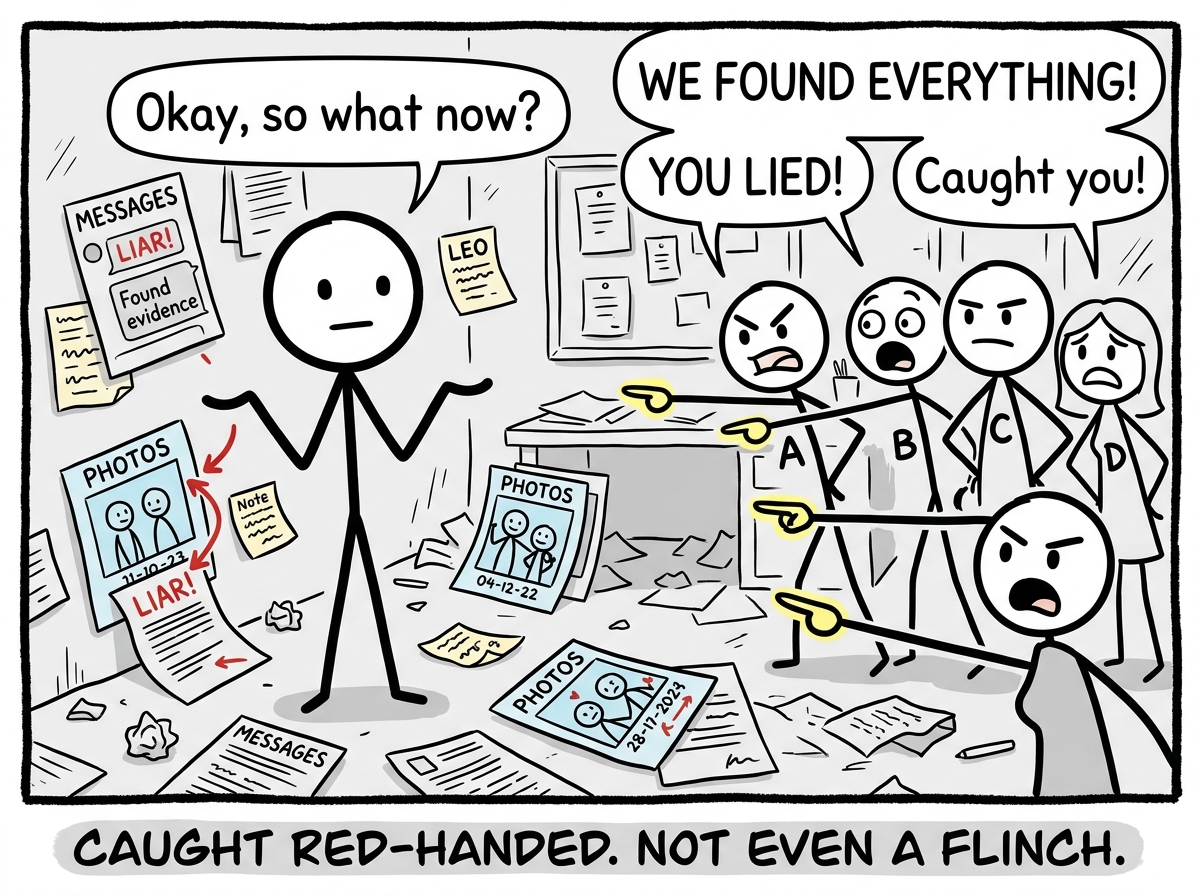
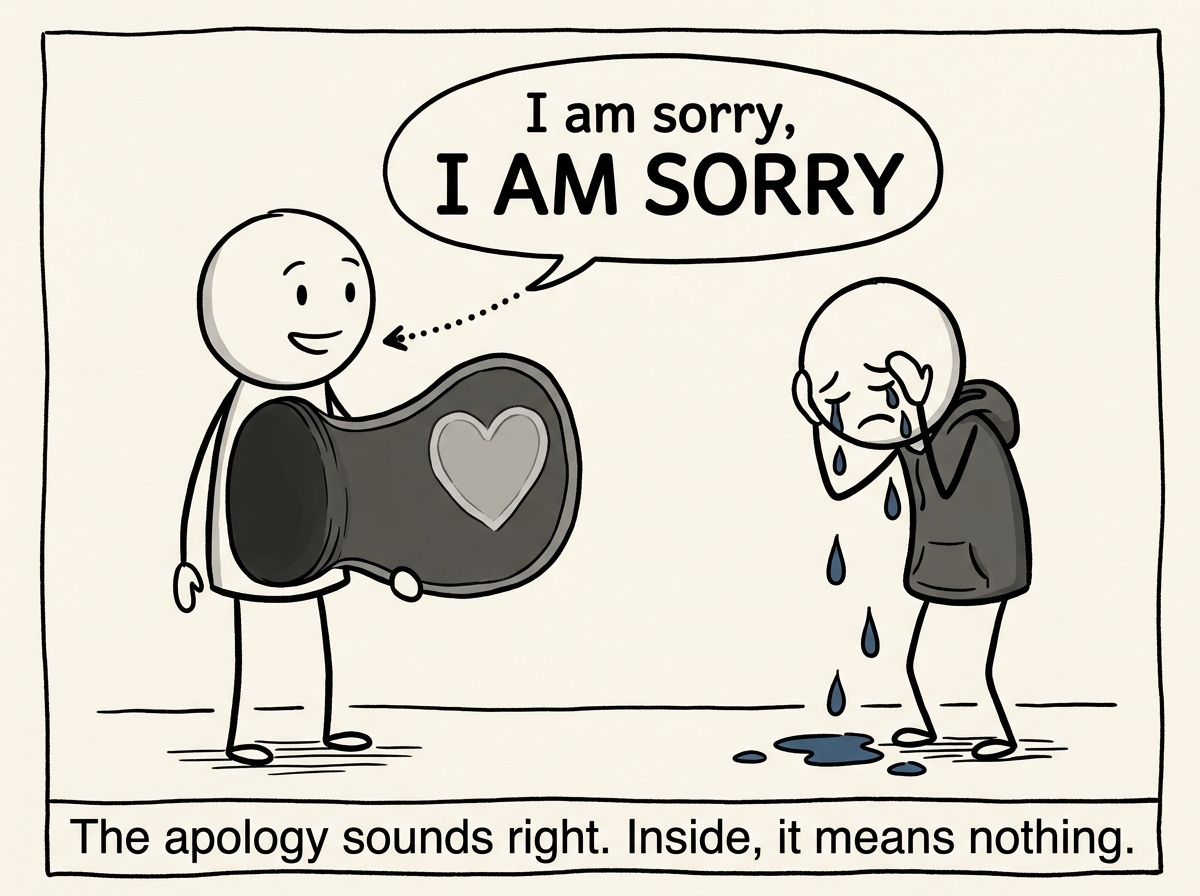
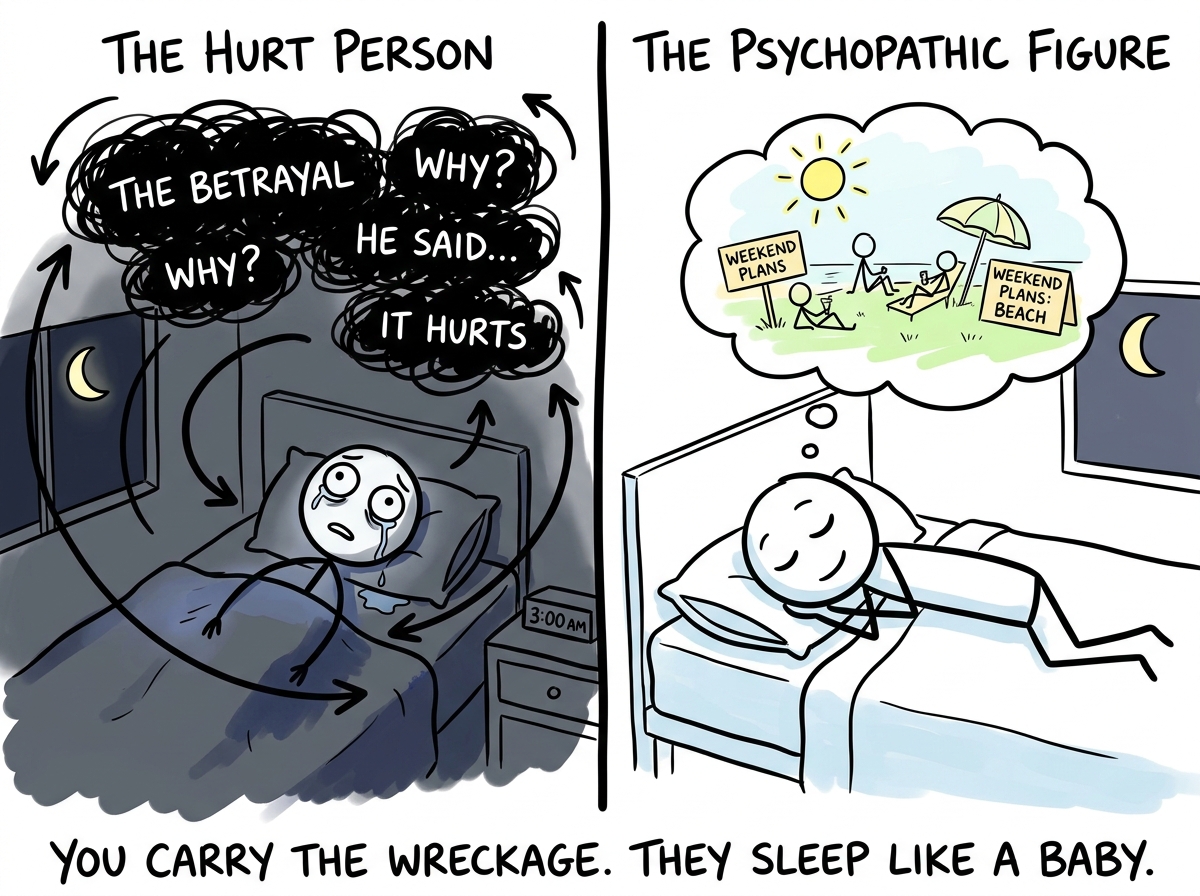
They cheated and got caught. They look you in the eye and say sorry. An hour later they are laughing with friends like nothing happened. You are gutted. They are fine. Not performing fine — actually fine. This is what psychologists call shallow affect — the emotional shallowness that defines psychopathic personality. Emotions exist for these individuals, but they are brief, surface-level, and largely disconnected from moral meaning. They might feel irritation, excitement, or boredom intensely. But guilt? Remorse? The deep ache of knowing you hurt someone you love? Those require an emotional depth that simply is not there. What makes this so disorienting for people on the receiving end is the contrast. You are drowning in pain from what they did, and they are already planning their weekend. You replay the betrayal for months; they forgot about it by Tuesday. You keep waiting for the remorse to arrive — for them to truly understand what they did — and it never comes. Because understanding requires feeling, and feeling requires a depth that the psychopathic personality does not access. Nothing sticks to emotional Teflon. Not consequences, not guilt, not your tears. And the realization that someone can hurt you profoundly without being touched by it at all is one of the loneliest experiences a person can have.
Key Takeaway
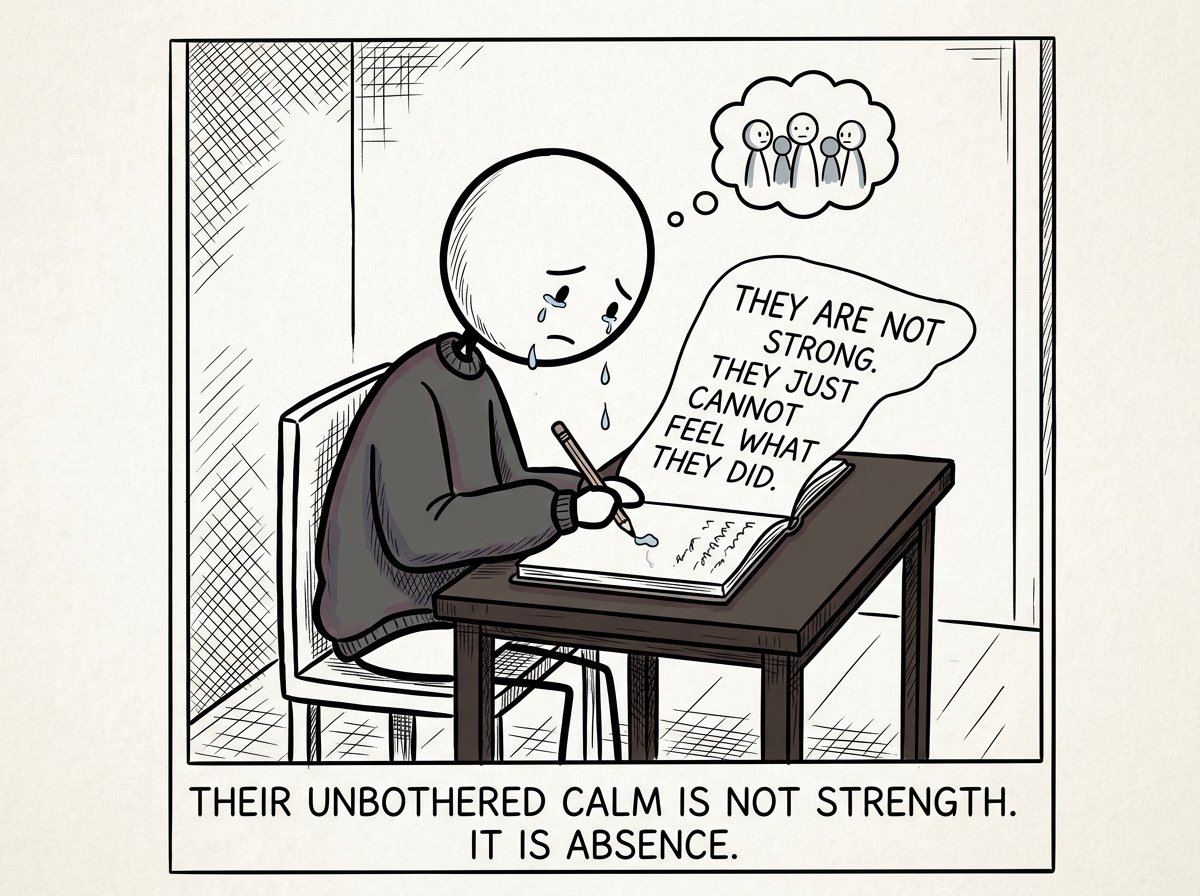
When someone can devastate you and walk away unbothered, the problem is not that they are strong — it is that they cannot feel what they did.