The Highlight Reel Poison
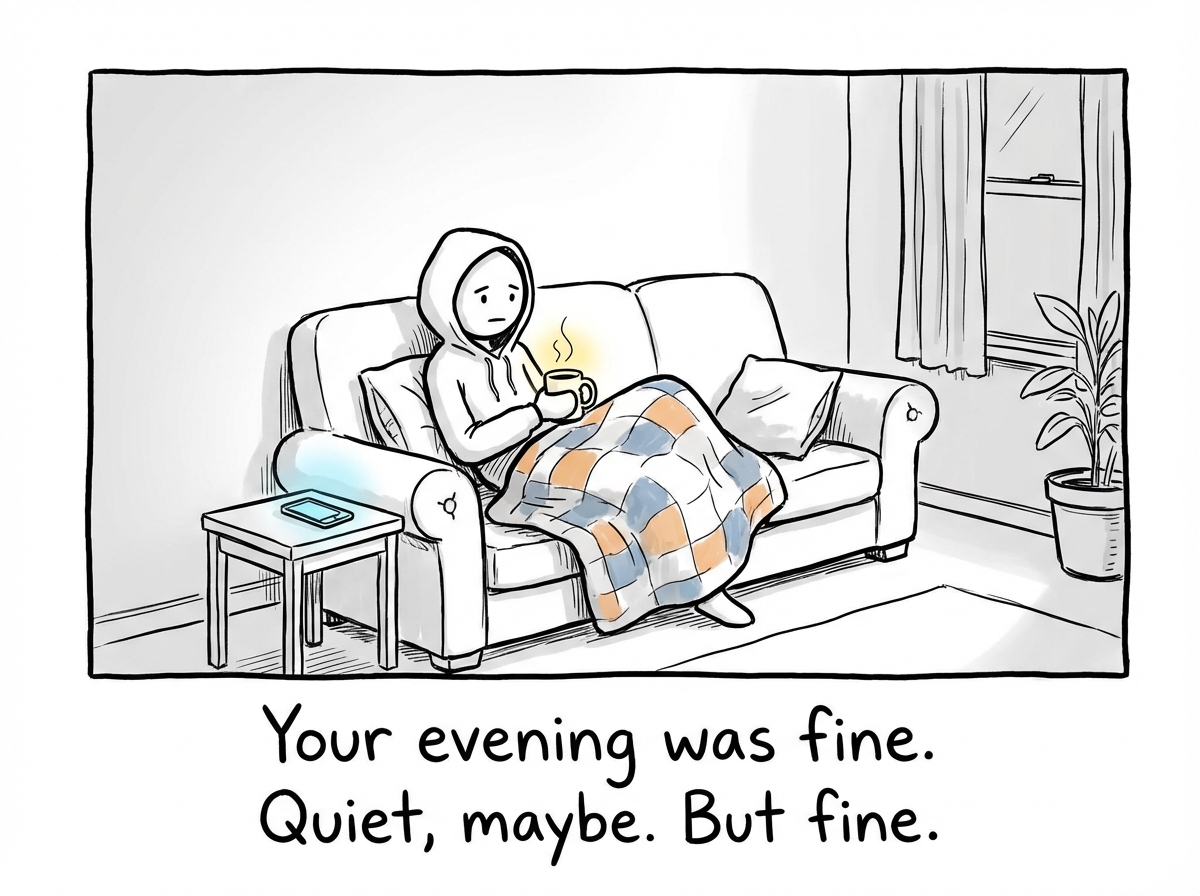
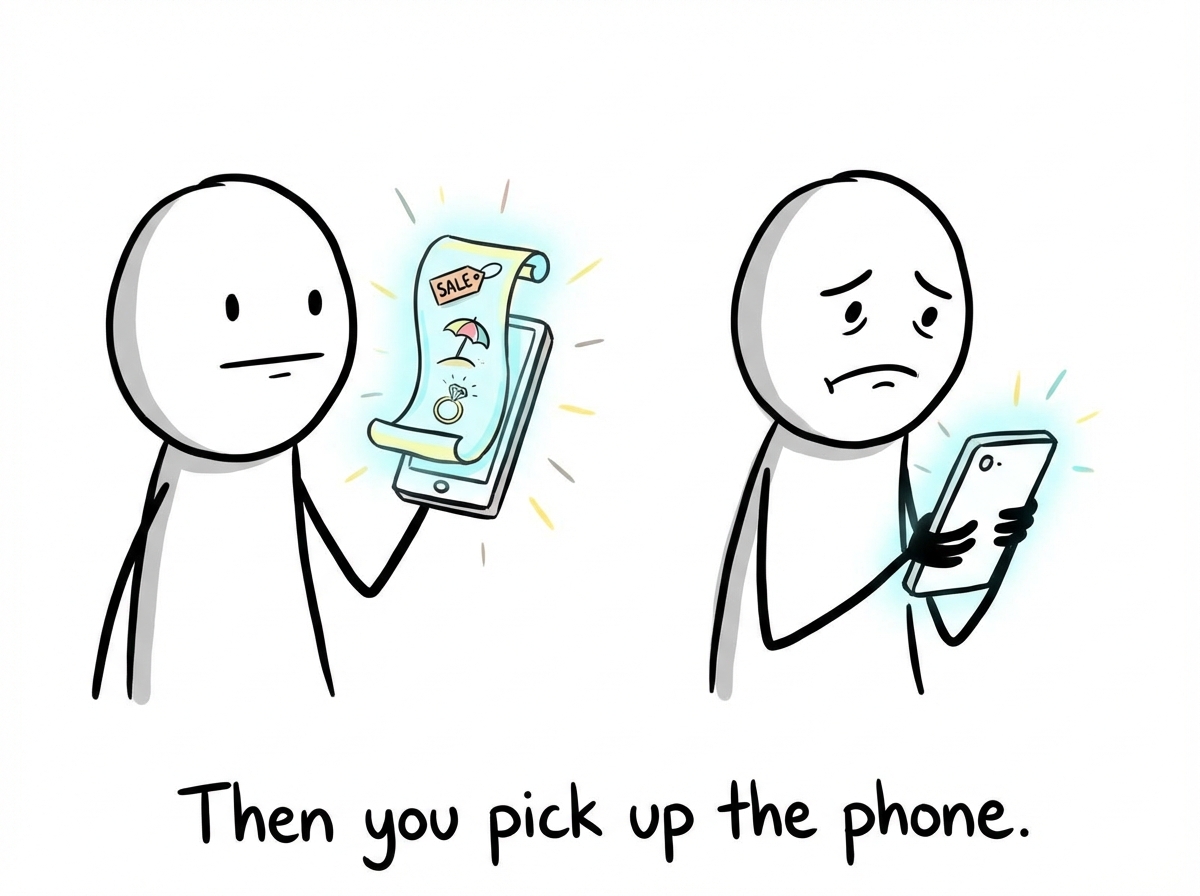
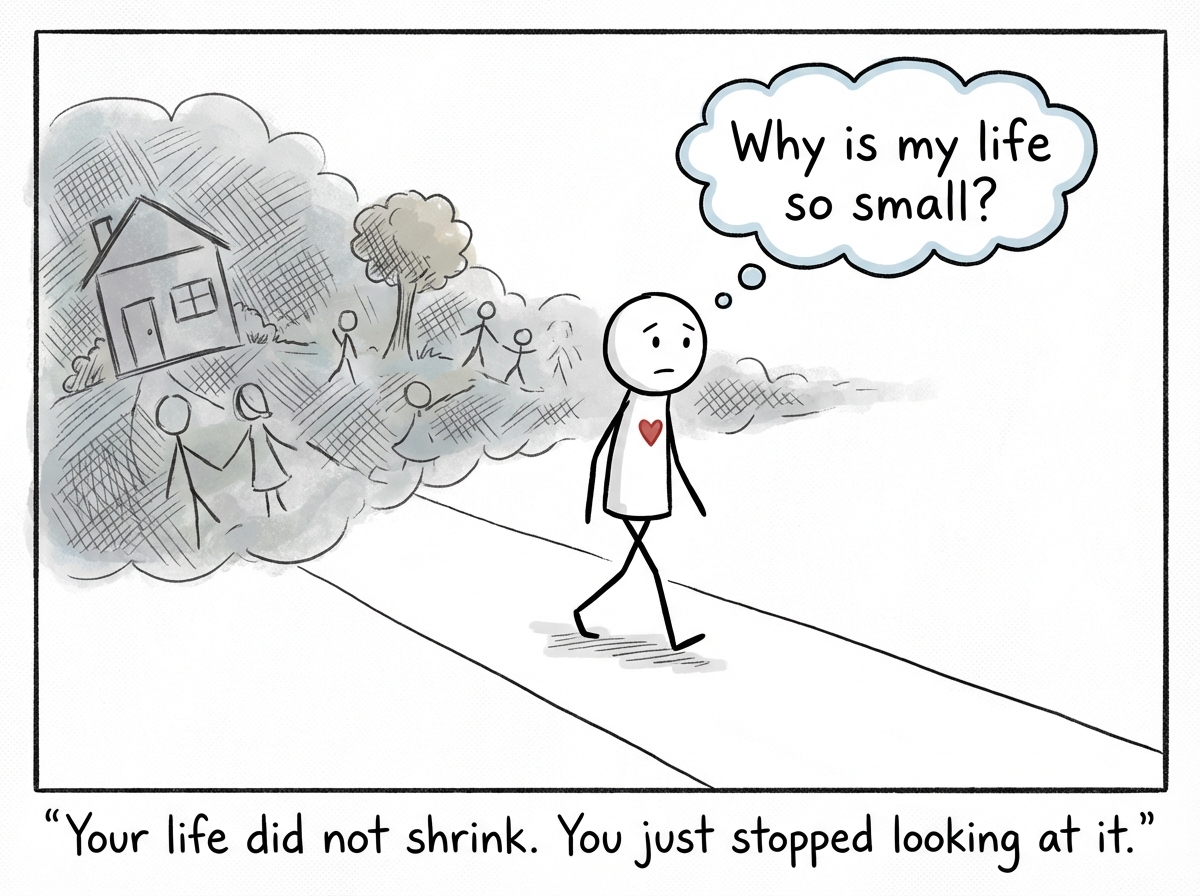
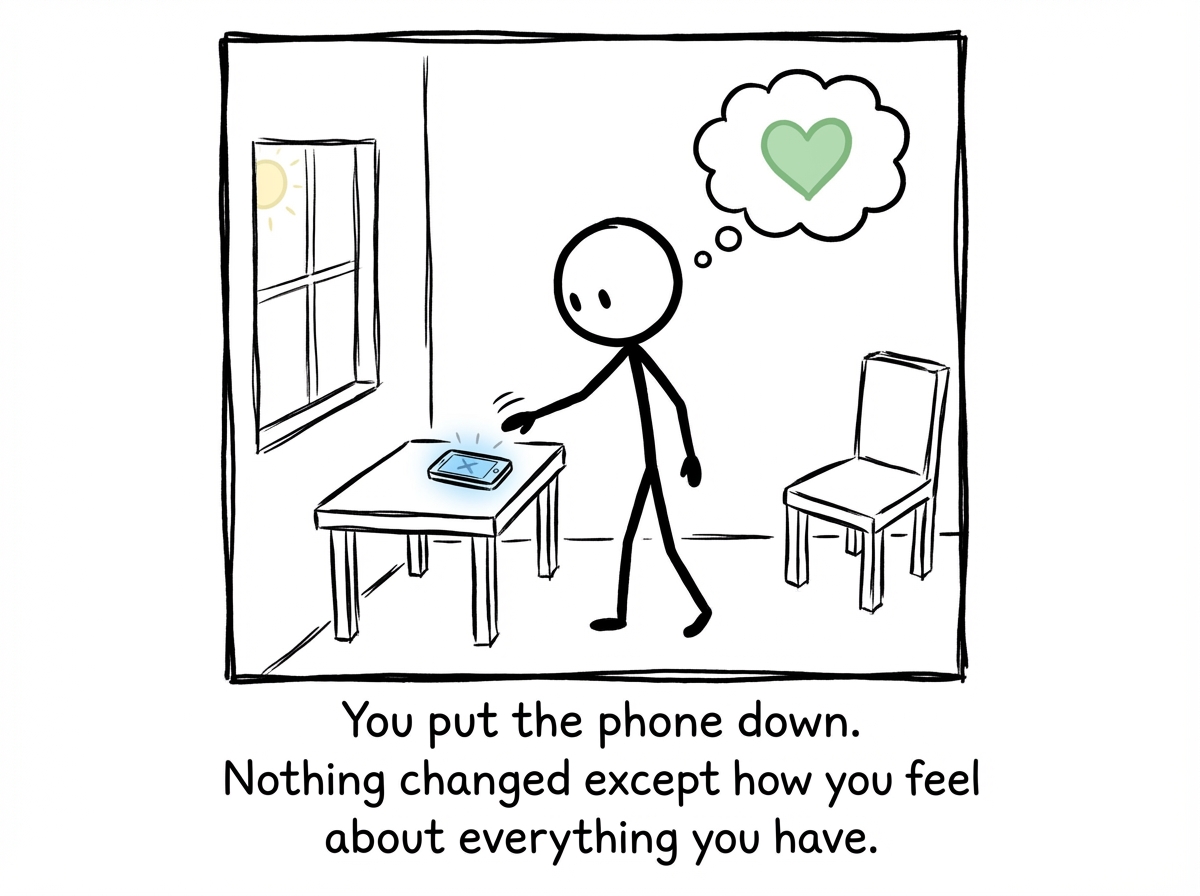
A person scrolls through someone else's curated life highlights and feels their own life shrink with every swipe -- not because their life got smaller, but because the comparison made it invisible.
Explanation
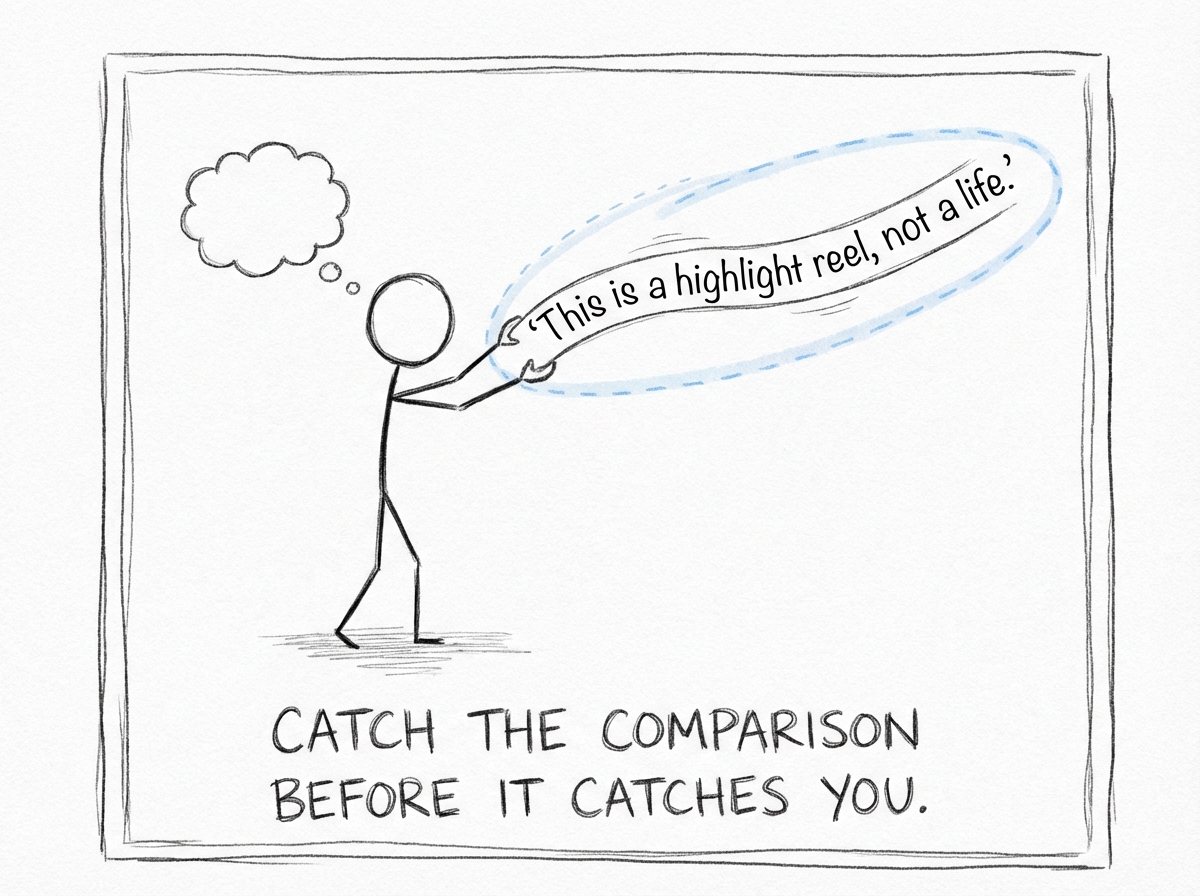
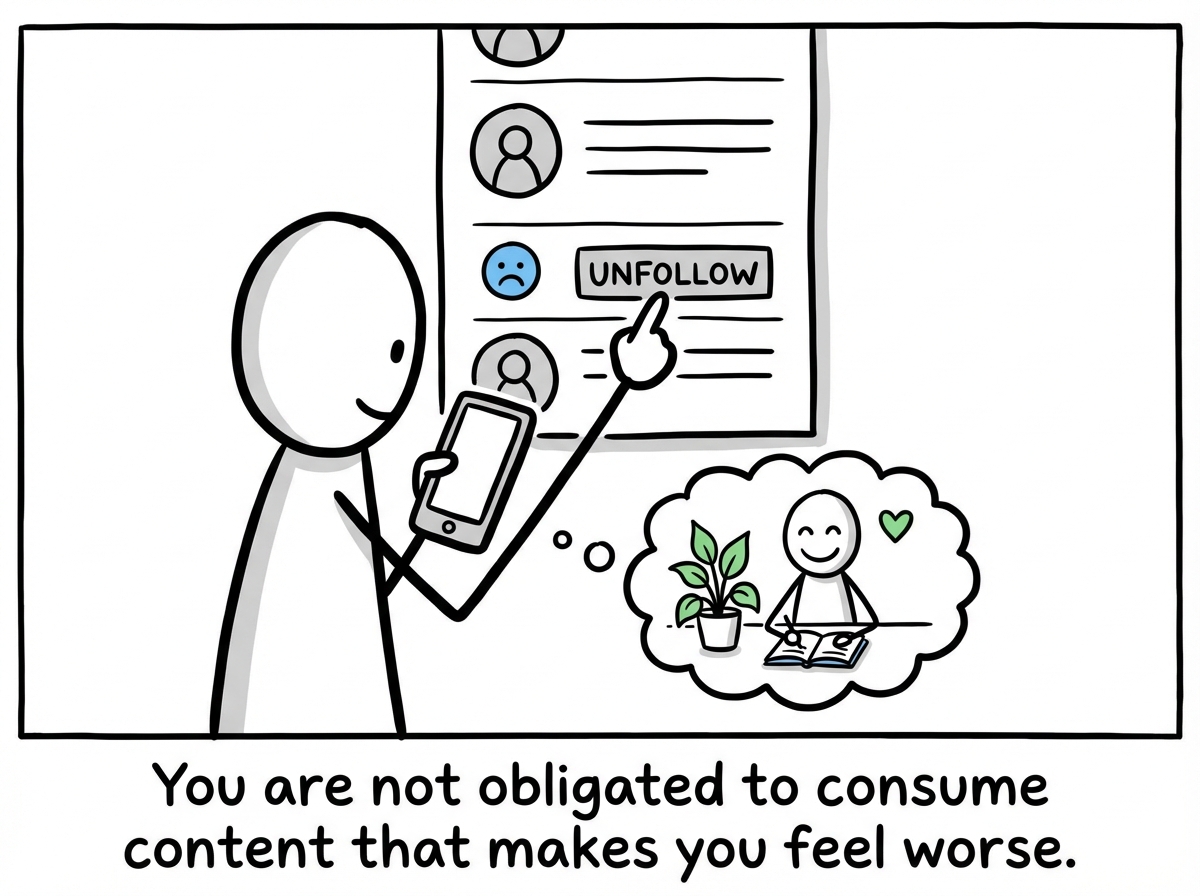
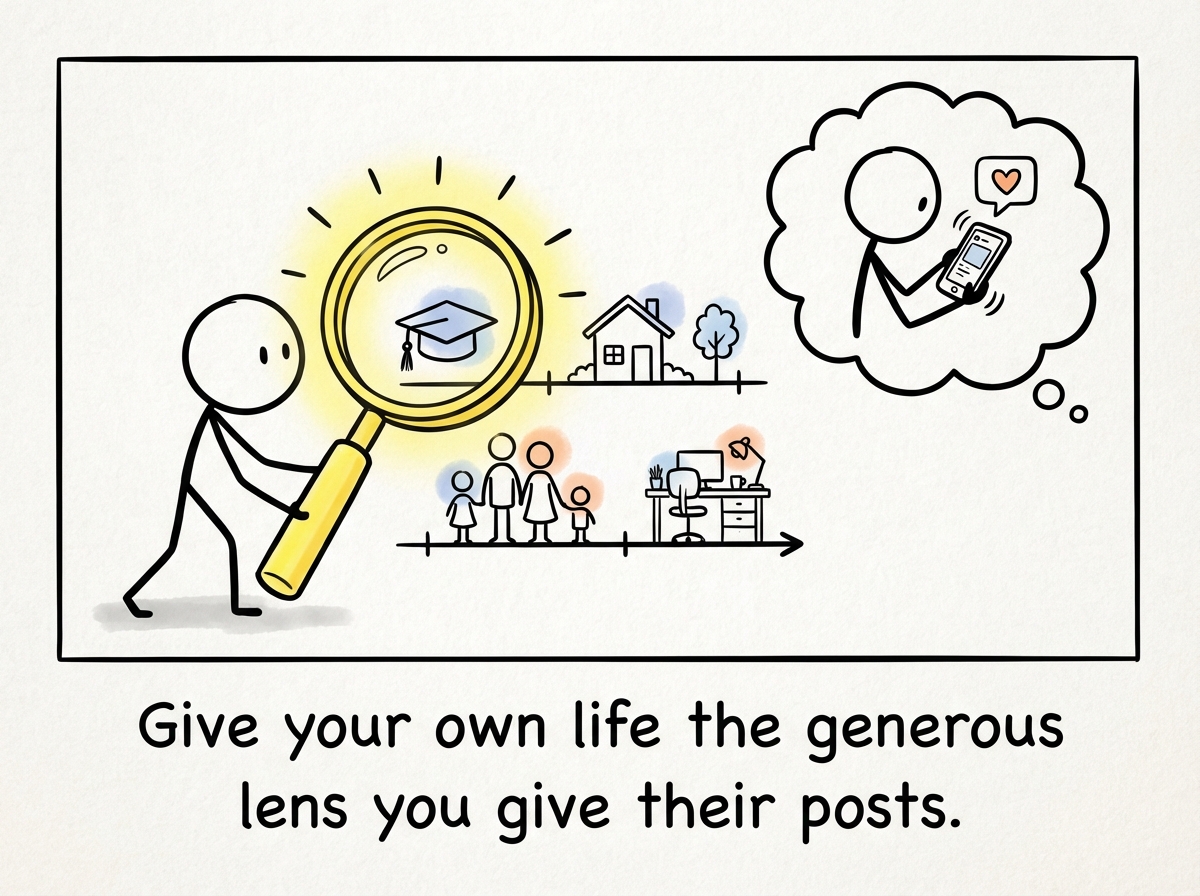
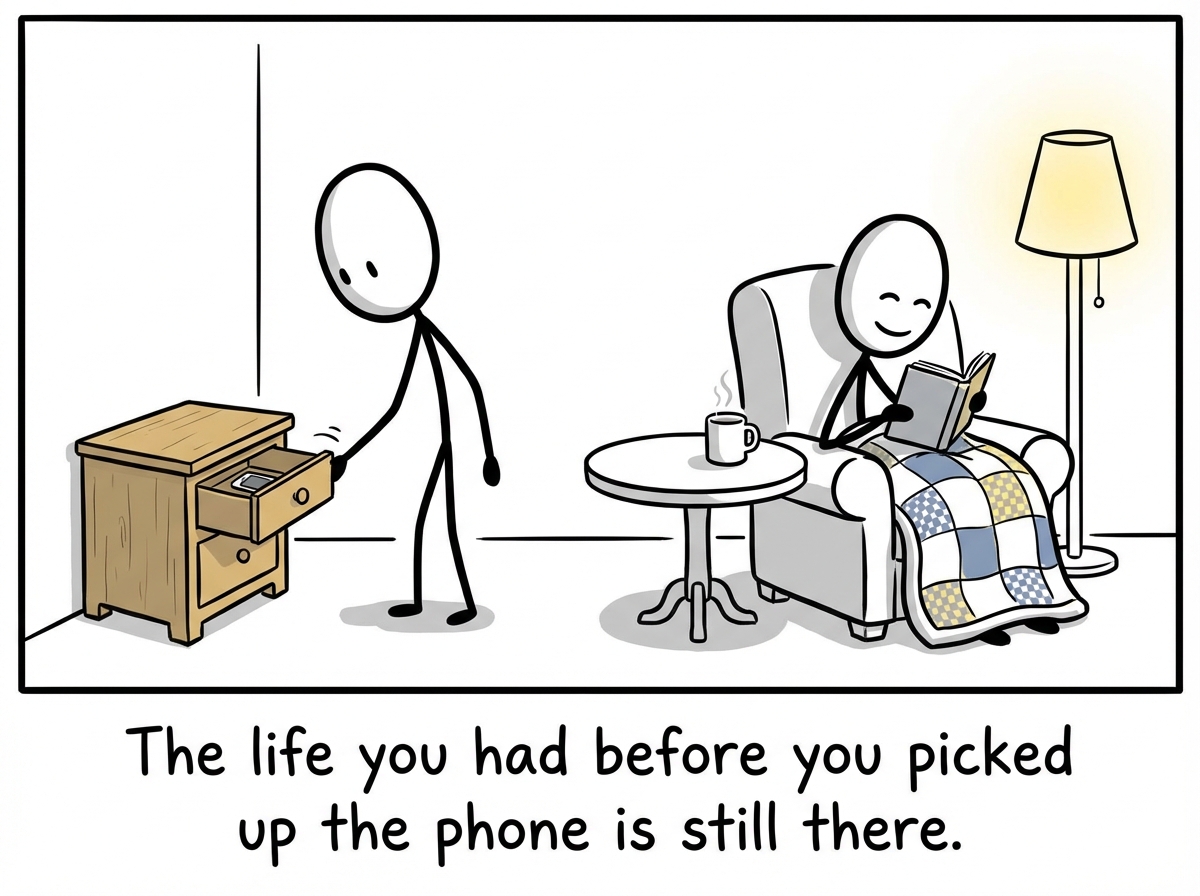
You open your phone and within thirty seconds, you know that someone you went to college with just got promoted, your ex is on vacation in Italy, and a stranger with your same job somehow has a nicer apartment, a better body, and a dog that poses for photos. None of this information was requested. All of it landed, and now your perfectly fine Tuesday feels like evidence of personal failure. This is envy in the age of algorithmic curation. Social media does not just show you other people's lives -- it shows you the version of their lives most likely to make you engage, which means the version most likely to trigger comparison. Research by Edson Tandoc and colleagues has demonstrated a direct link between passive social media consumption and depressive symptoms, mediated specifically by envy. You do not feel worse because you saw a post. You feel worse because the post activated a comparison that made your own life seem inadequate. The mechanism is devastatingly simple: you compare your behind-the-scenes to their highlight reel. Their curated best against your unfiltered average. And because the comparison happens hundreds of times a day, the cumulative effect is a slow erosion of satisfaction with a life that was objectively fine before you picked up the phone. The antidote is not deleting social media -- though for some people that helps. It is learning to catch the comparison in real time and ask: Am I seeing a life, or a performance? And is this scroll making my life better or just making theirs look better?
Key Takeaway
You are comparing your unfiltered life to their curated performance. The poison is not their success. It is the comparison itself.