The Secret Scoreboard
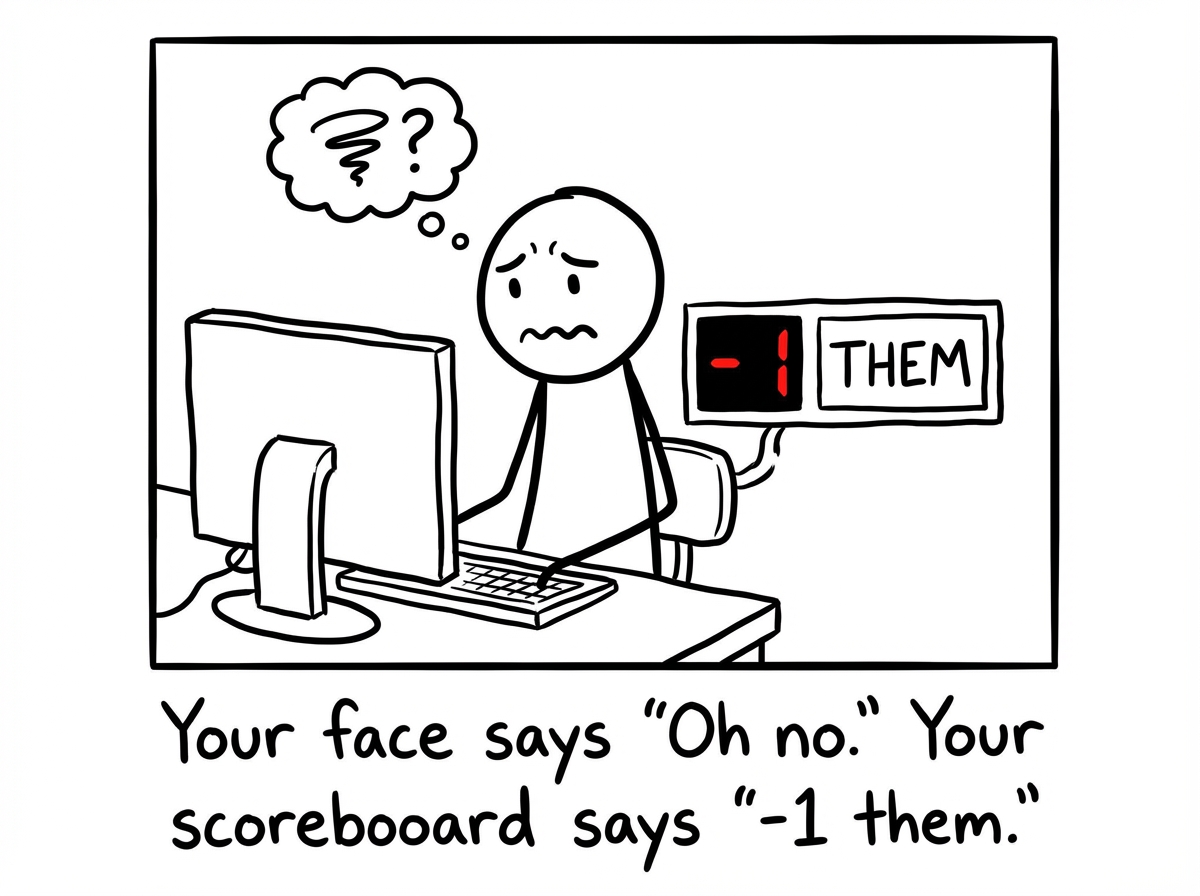
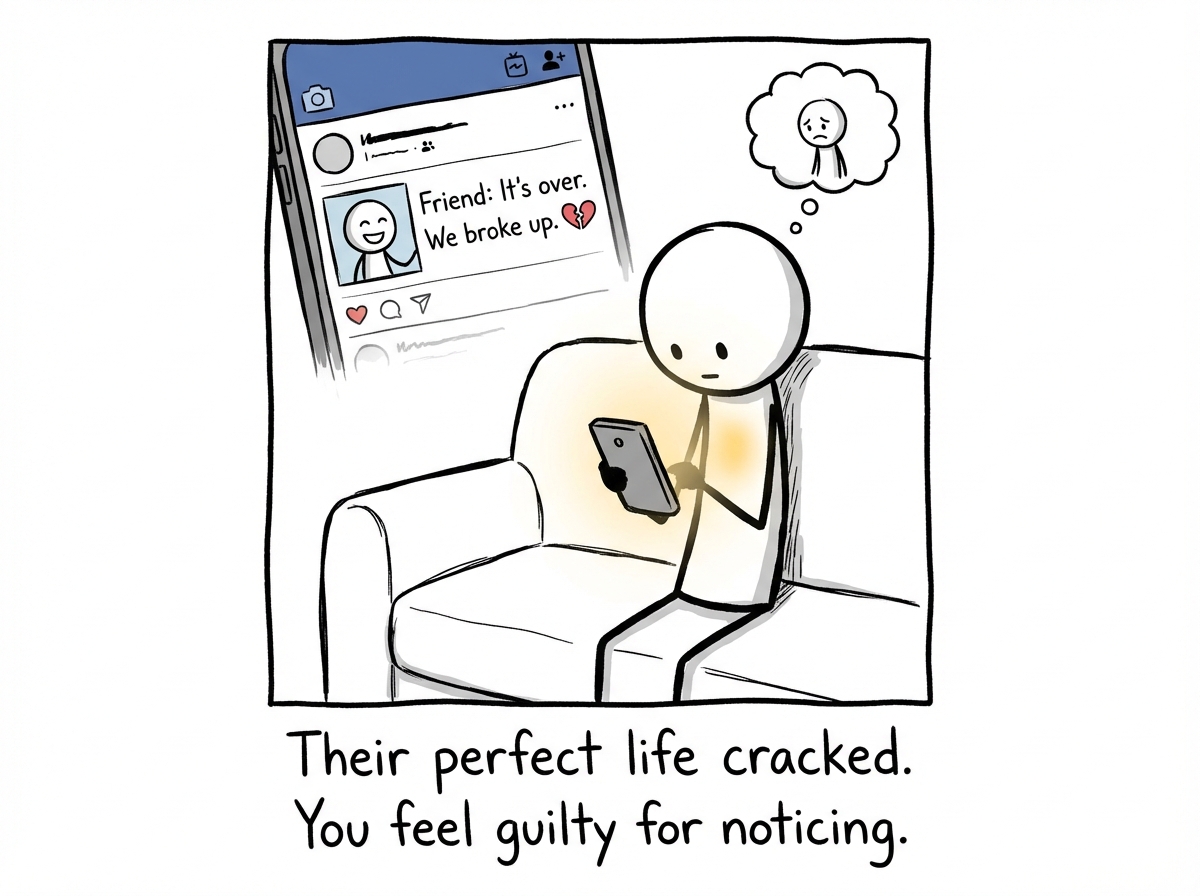
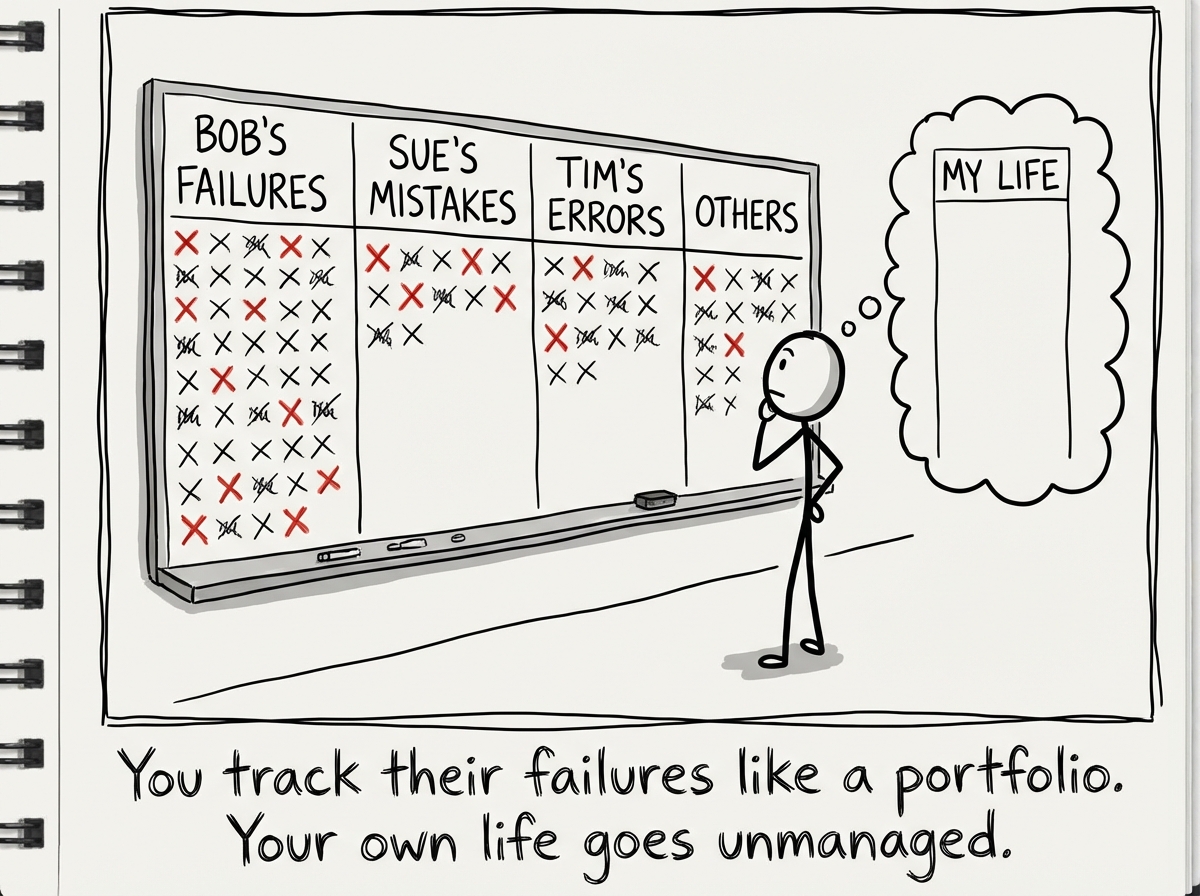
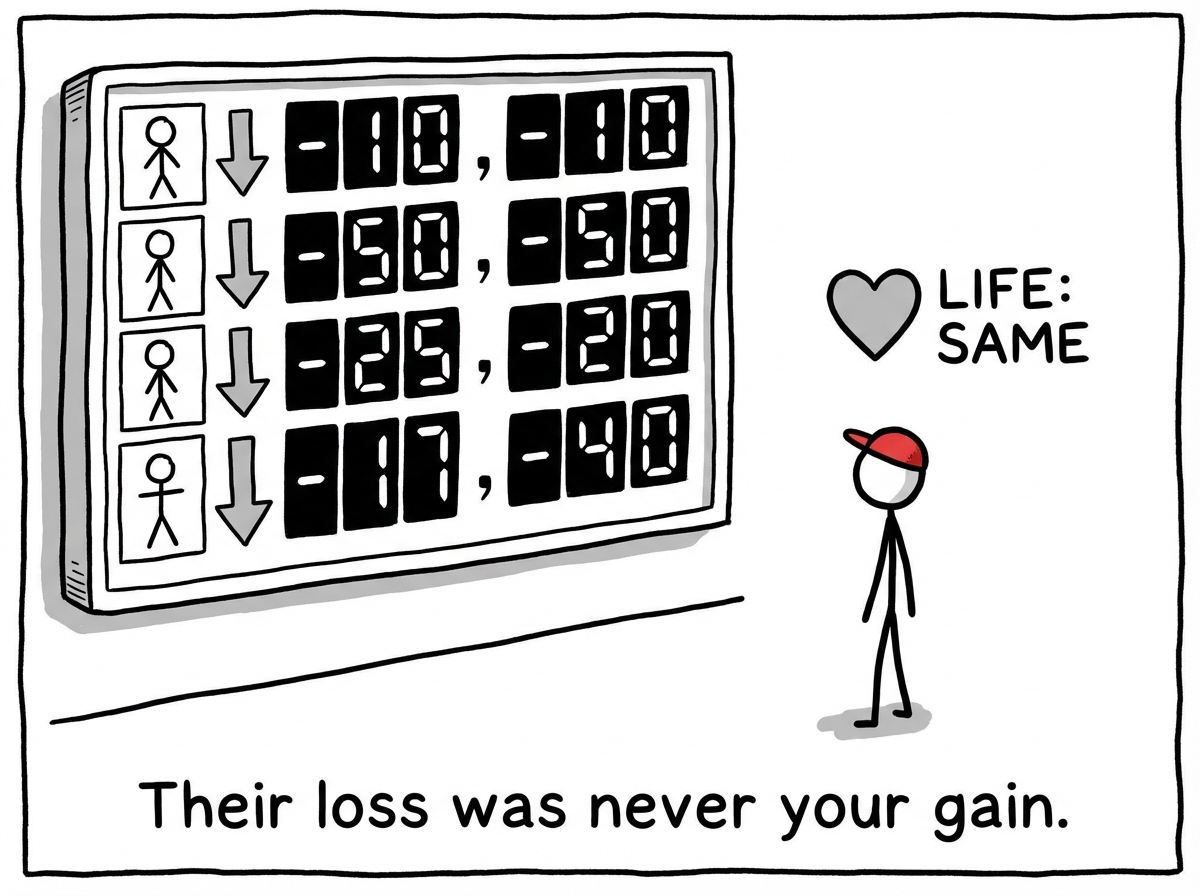
A person keeps a hidden scoreboard tracking the failures and setbacks of people they envy -- each stumble delivering a brief, guilty hit of satisfaction that never lasts.
Explanation
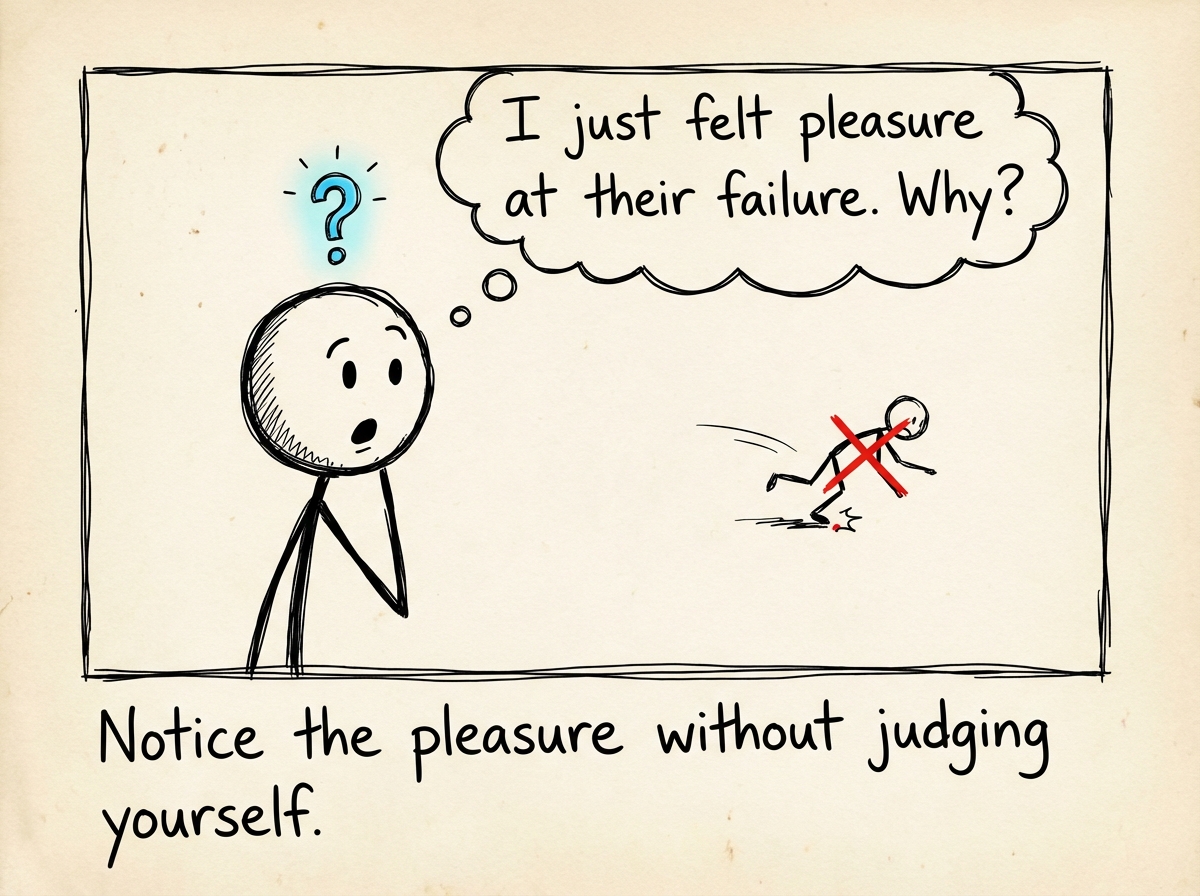
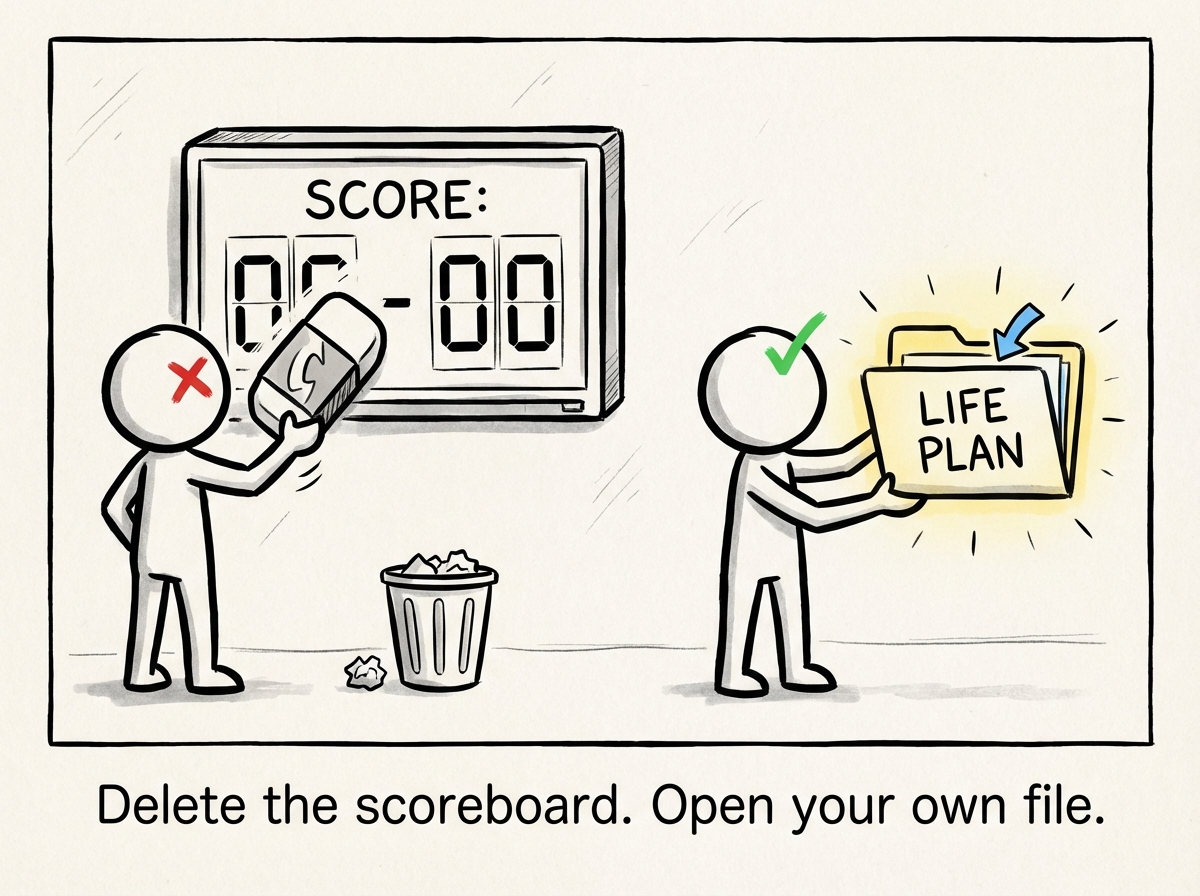
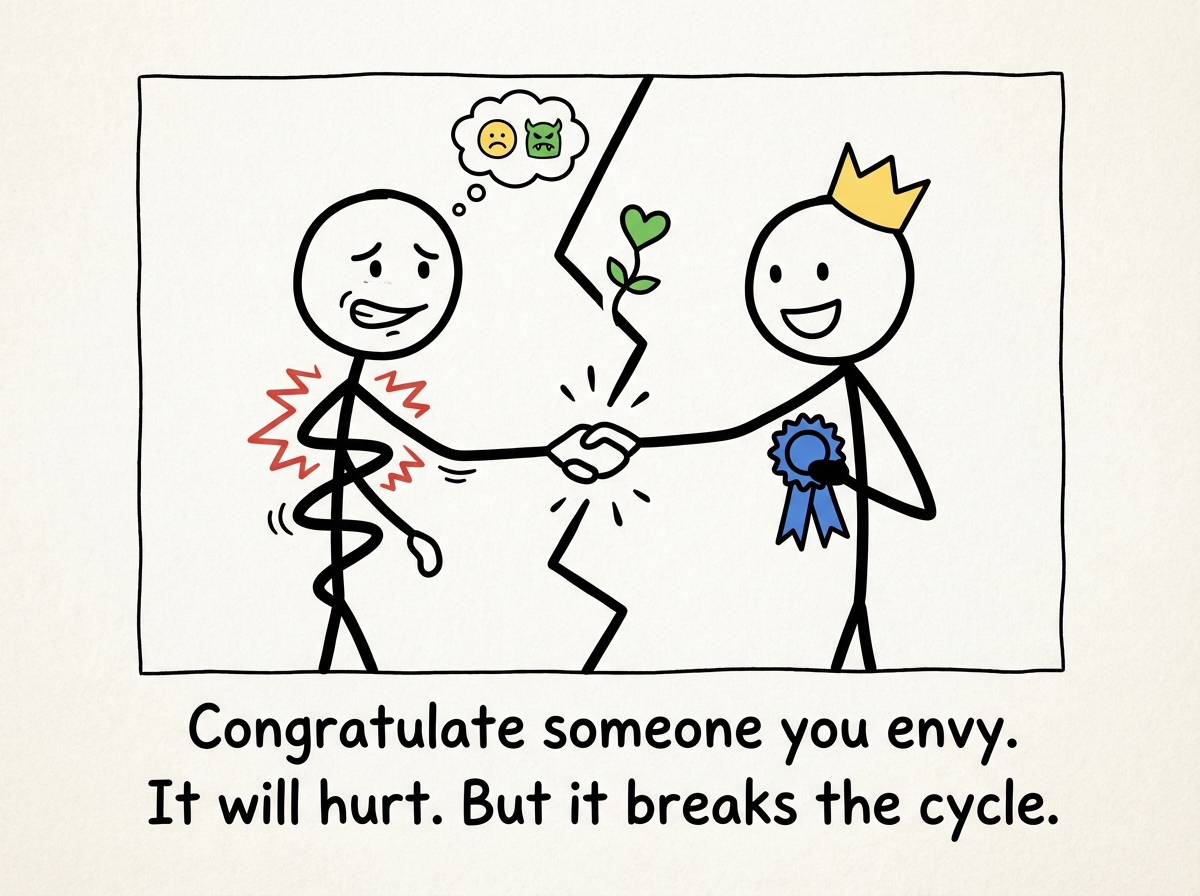
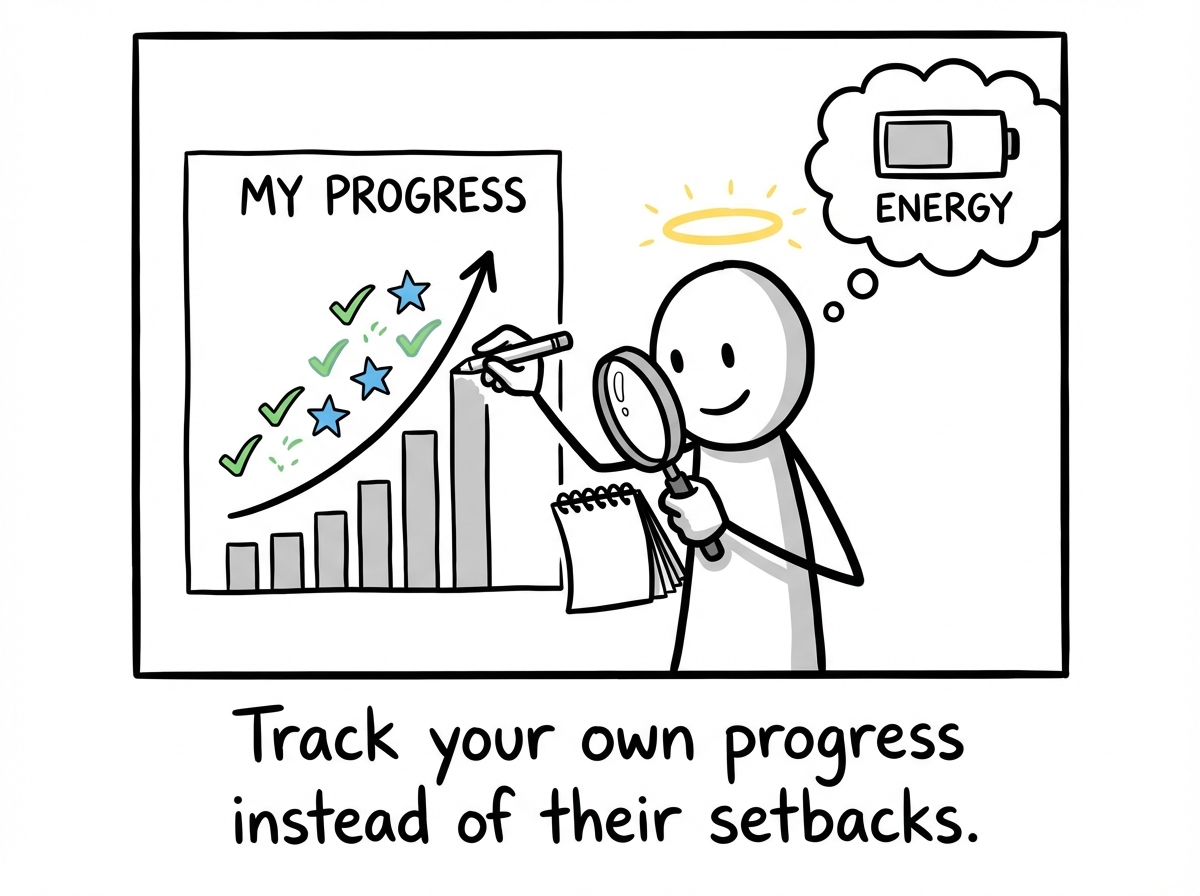
You would never say it out loud. But when you heard that the coworker who got promoted ahead of you made a public mistake, something inside you relaxed. When the friend whose life always seems perfect posted about a breakup, there was a beat -- half a second -- where you felt lighter. Not proud of it. But lighter. The secret scoreboard updated: them -1. Schadenfreude operates through a hidden accounting system that tracks the misfortunes of people whose success threatens your self-concept. Research by Cikara and Fiske using neuroimaging has shown that watching an envied person fail activates the ventral striatum -- the brain's reward center. The pleasure is neurologically identical to winning a prize. Your brain treats someone else's loss as your gain, even though nothing about your objective situation has changed. The secret scoreboard is maintained unconsciously by most people who keep it. It runs in the background like a silent app, only surfacing when a relevant data point arrives: a rival's failure, a show-off's humiliation, an overachiever's stumble. Each update provides a micro-dose of relief from the chronic comparison that underlies envy. The problem is that schadenfreude is emotional junk food. It tastes satisfying but provides no nourishment. Your life is identical before and after their failure. You have gained nothing except a momentary reprieve from feeling less-than. The secret scoreboard keeps you tethered to other people's outcomes instead of invested in your own. The energy spent tracking their falls could be spent building your climbs.
Key Takeaway
The secret scoreboard tracks their failures to relieve your envy. But their stumble changes nothing about your life -- it just distracts you from building it.