The Scale Mood Swing
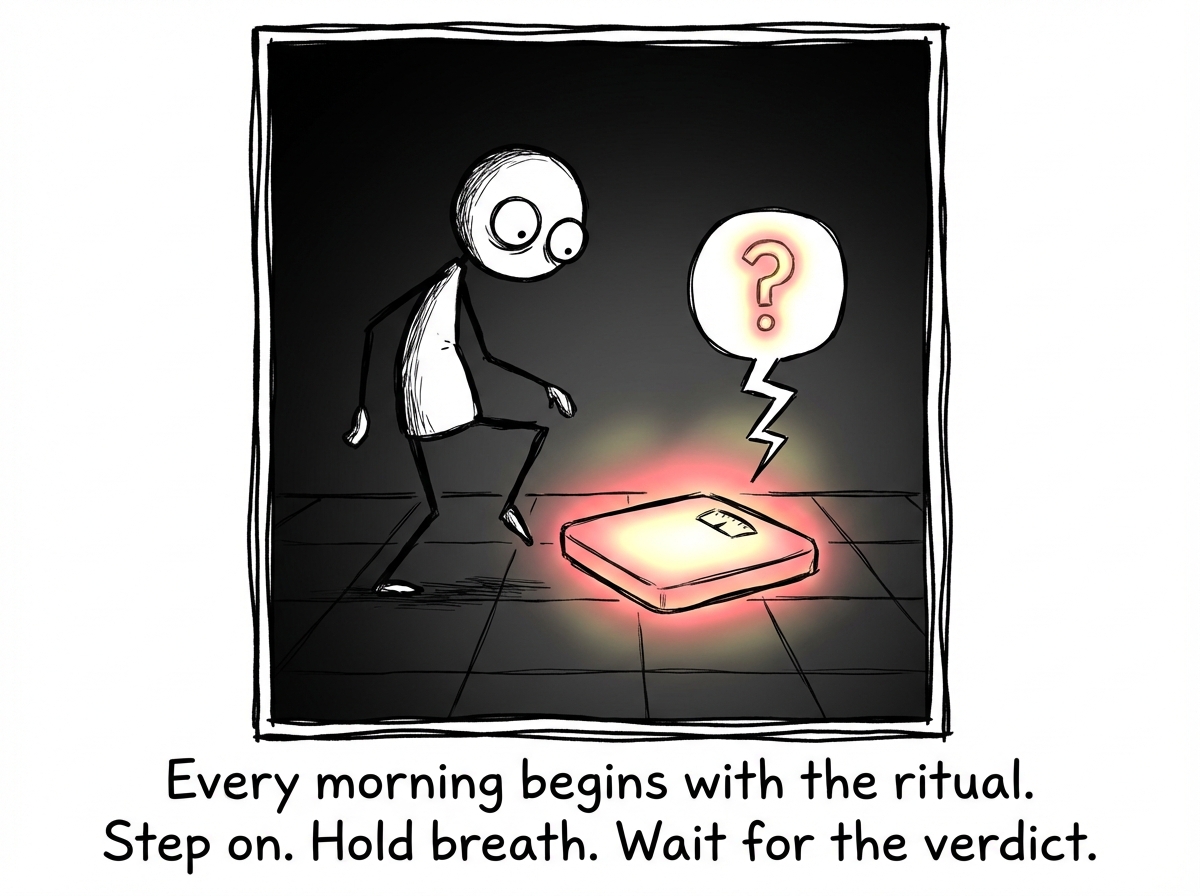
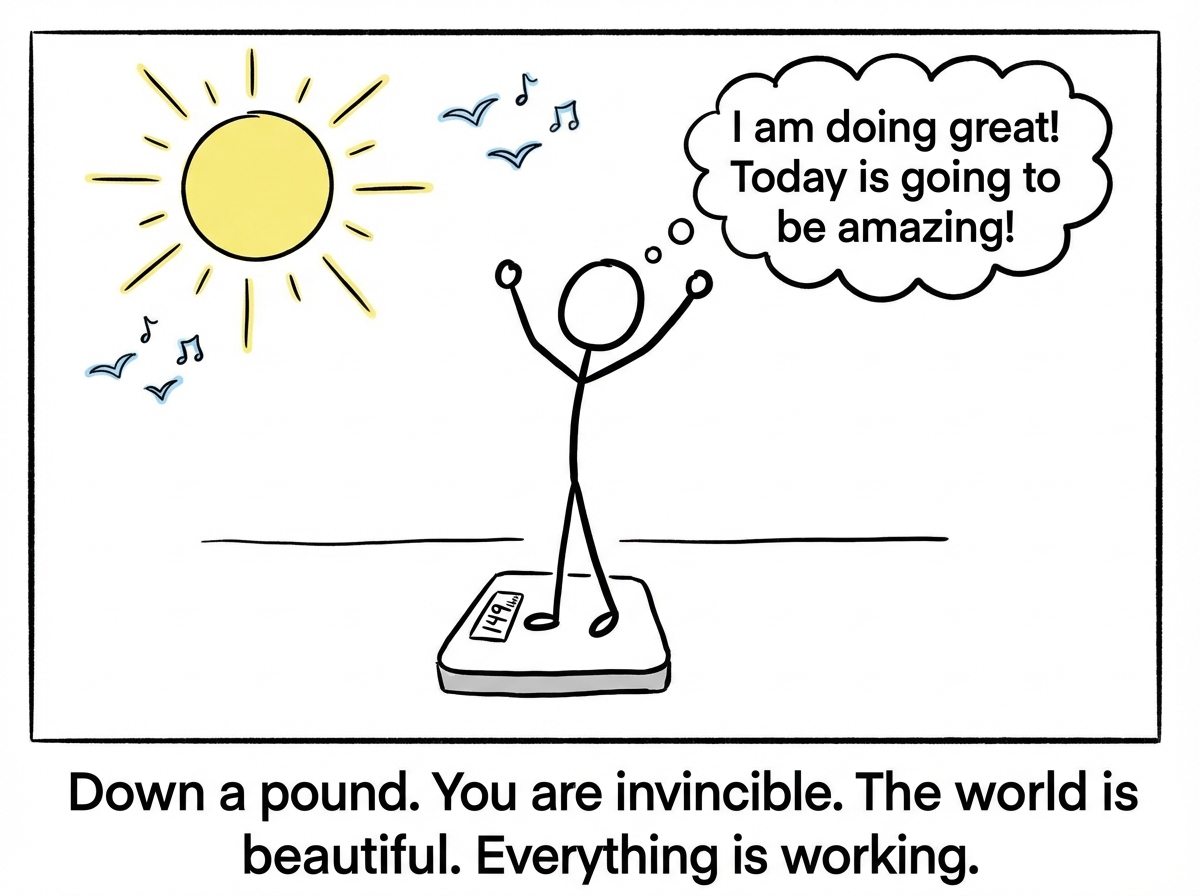
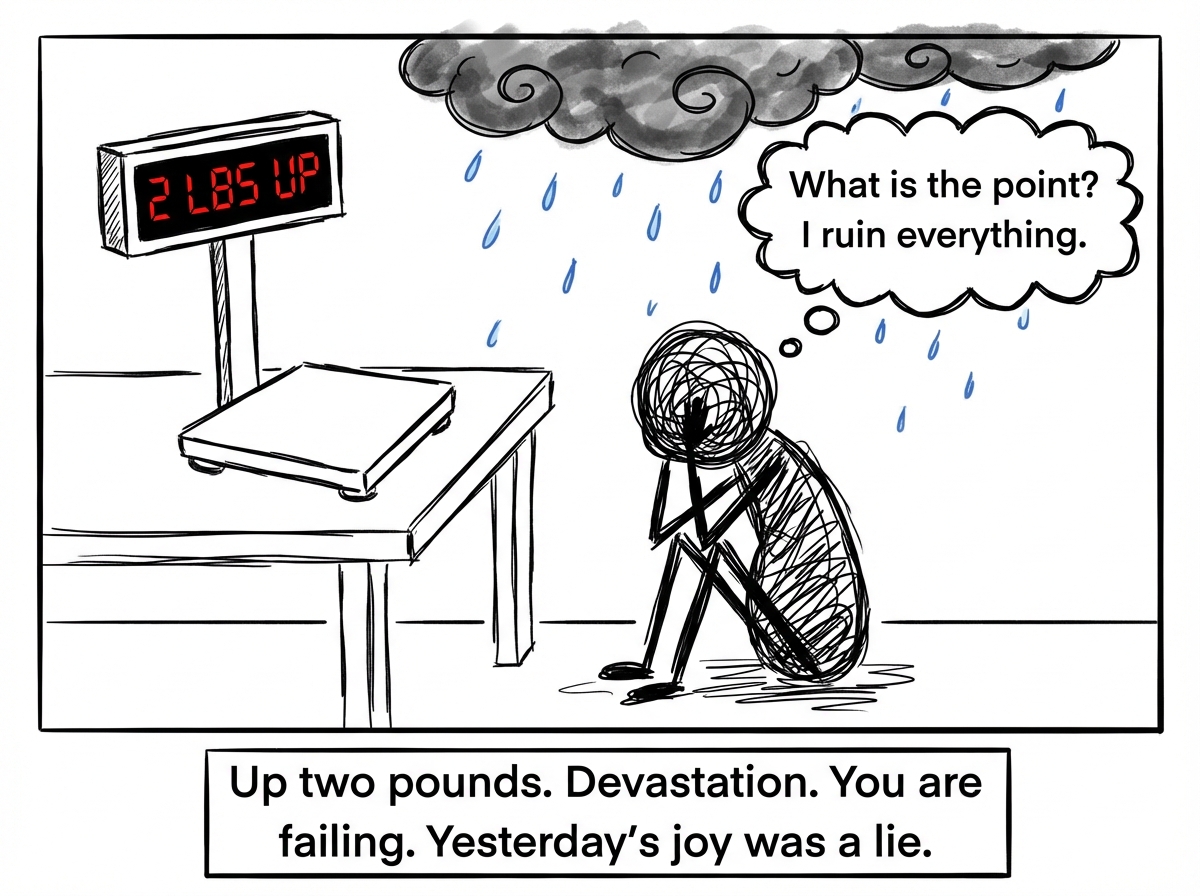
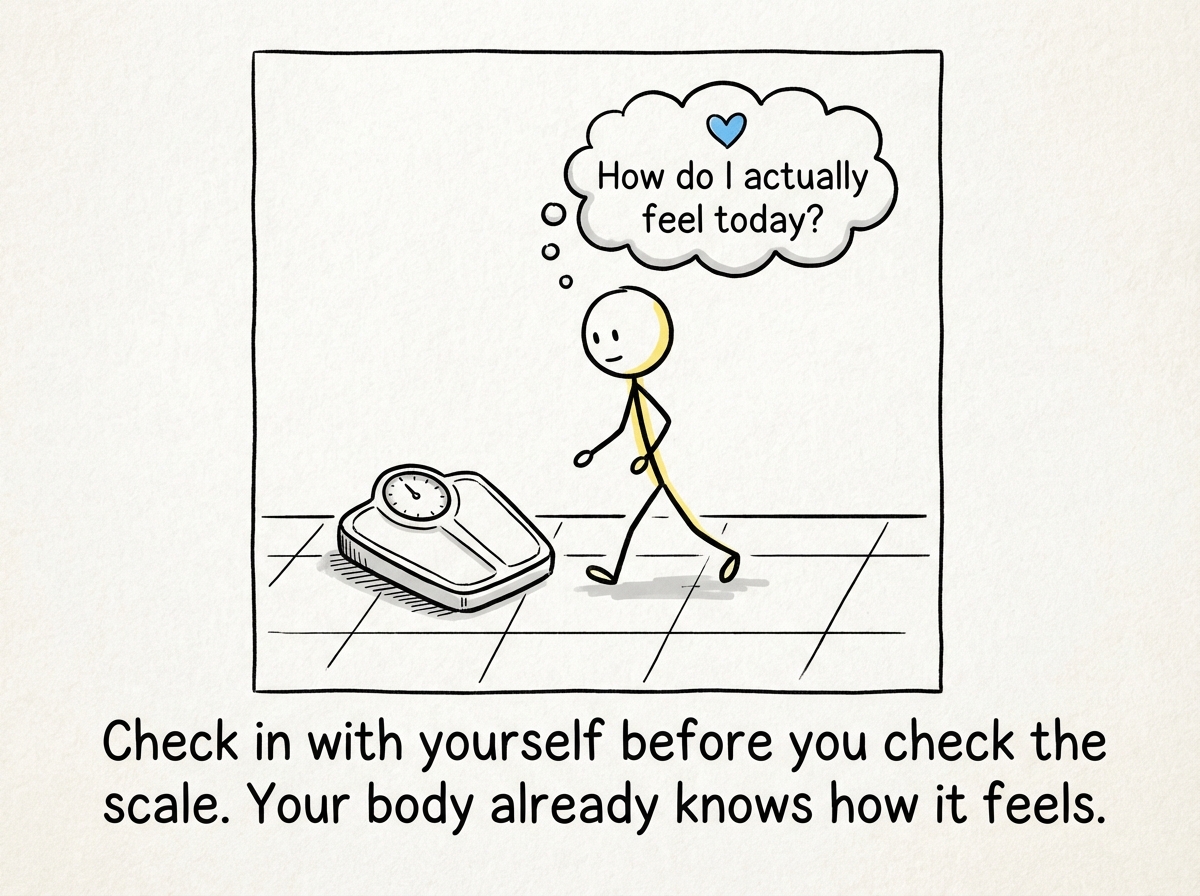
A person steps on the scale each morning and lets the number dictate their entire emotional state for the day -- up two pounds means despair, down one pound means euphoria.
Explanation
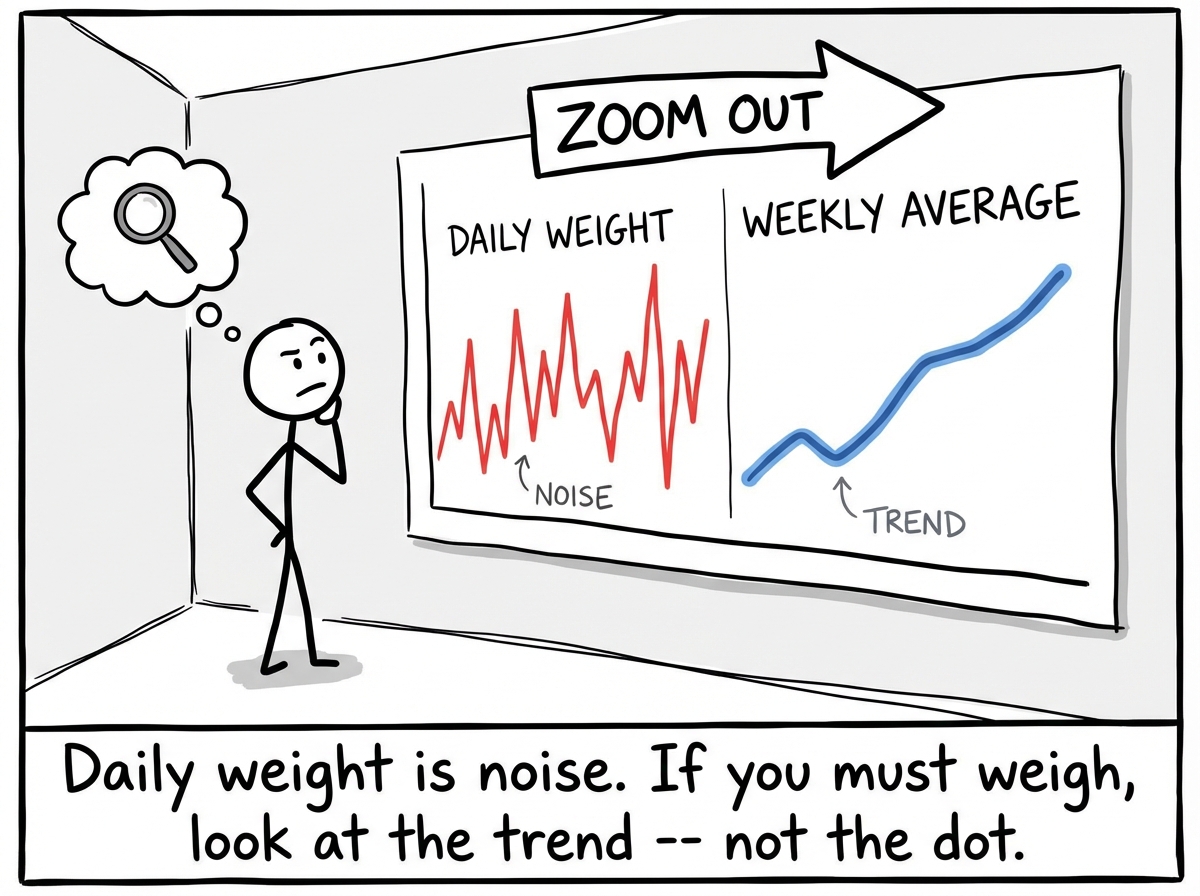
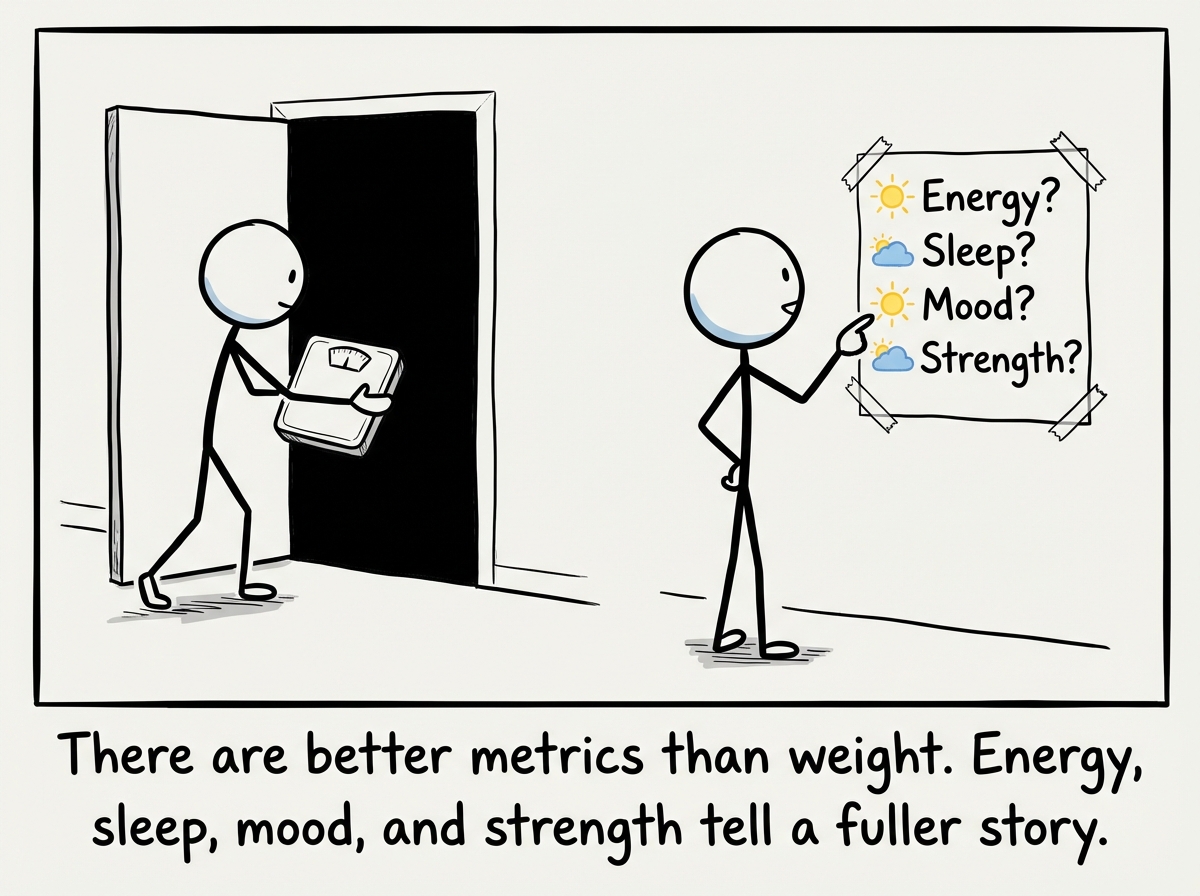
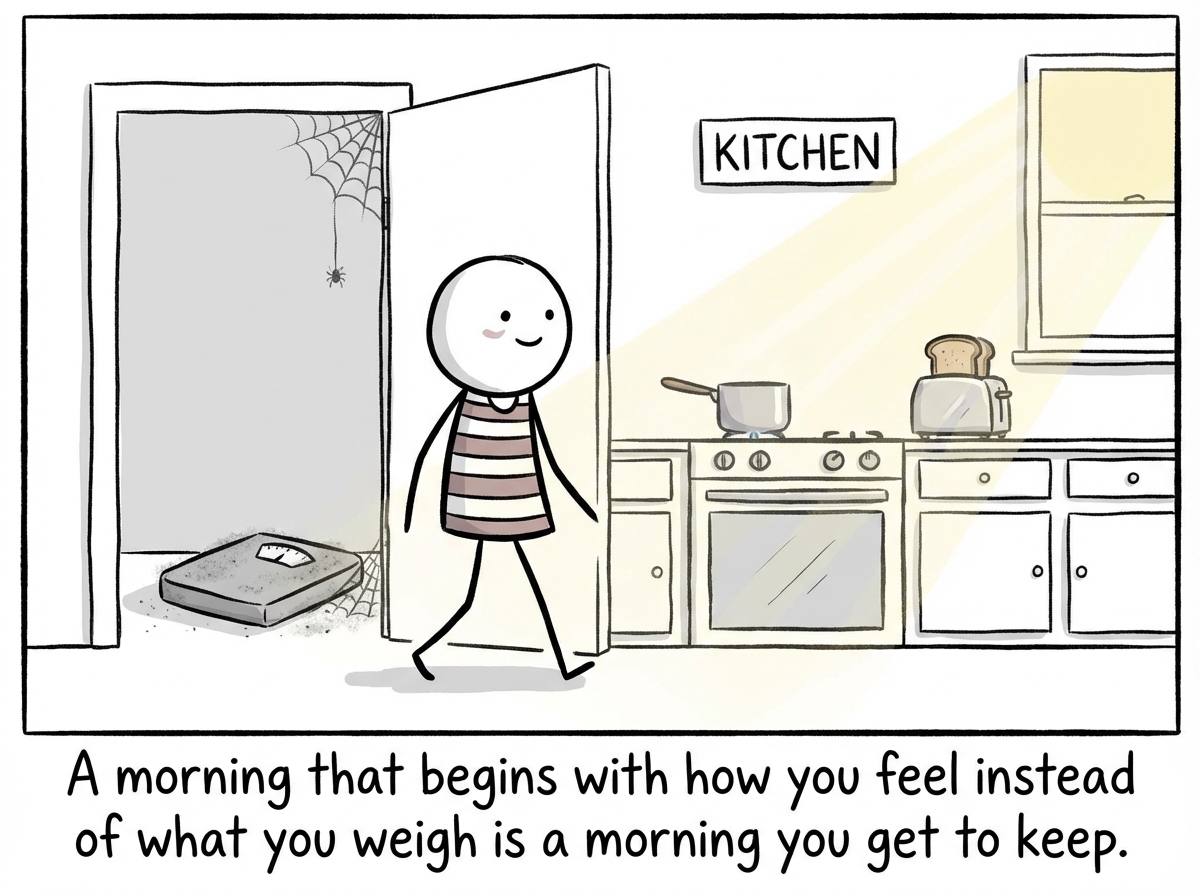
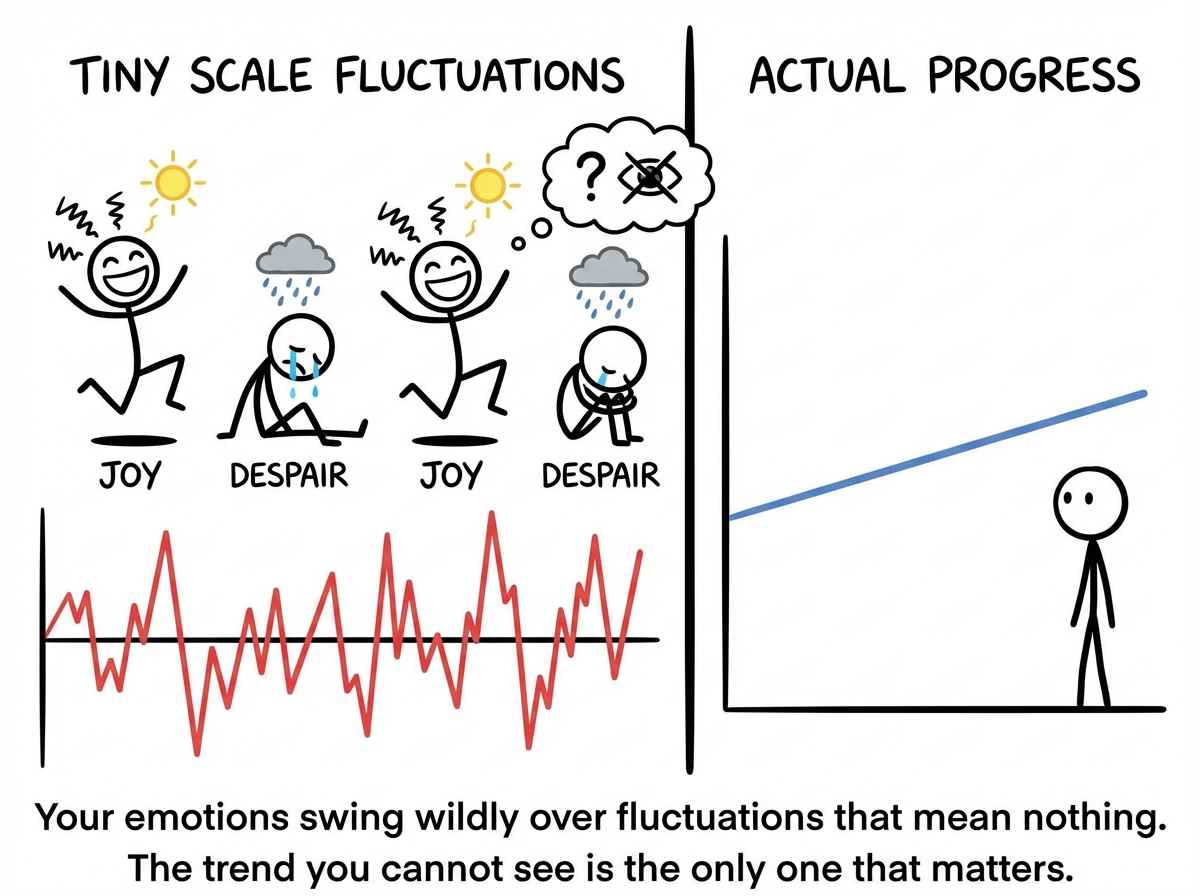
You step on the scale first thing in the morning. Before coffee. Before thoughts. Before you have had a chance to form your own opinion about how you feel. The number appears and -- in a fraction of a second -- your entire day is decided. Down a pound? You feel light, capable, worthy. Up two pounds? The day is ruined. You are failing. Everything you ate yesterday was a mistake. You might as well give up. This is the scale as emotional dictator -- a pattern so common in weight management that researchers have given it a name: weight-based self-evaluation. Studies by Linde and colleagues have shown that frequent self-weighing is associated with increased depressive symptoms and decreased self-esteem, particularly among people who place high importance on the number. The scale becomes not just a measurement tool but an identity arbitrator. The problem is partly physiological and partly psychological. Body weight fluctuates by 2-5 pounds daily due to water retention, sodium intake, hormonal shifts, digestion, and dozens of other factors that have nothing to do with fat gain or loss. But the emotional brain does not process nuance. It sees the number, compares it to yesterday, and assigns a verdict. The pattern is compulsive: you weigh yourself because you need to know, but knowing always costs something. Breaking free does not necessarily mean throwing out the scale -- though for some people, that is exactly the right move. It means learning to separate data from identity. A number can inform without defining. Your worth was never something that could be measured in pounds.
Key Takeaway
When you let a number that fluctuates five pounds a day decide whether you deserve to feel good, you have given your self-worth to a device that cannot hold it.