The Outfit Change Marathon
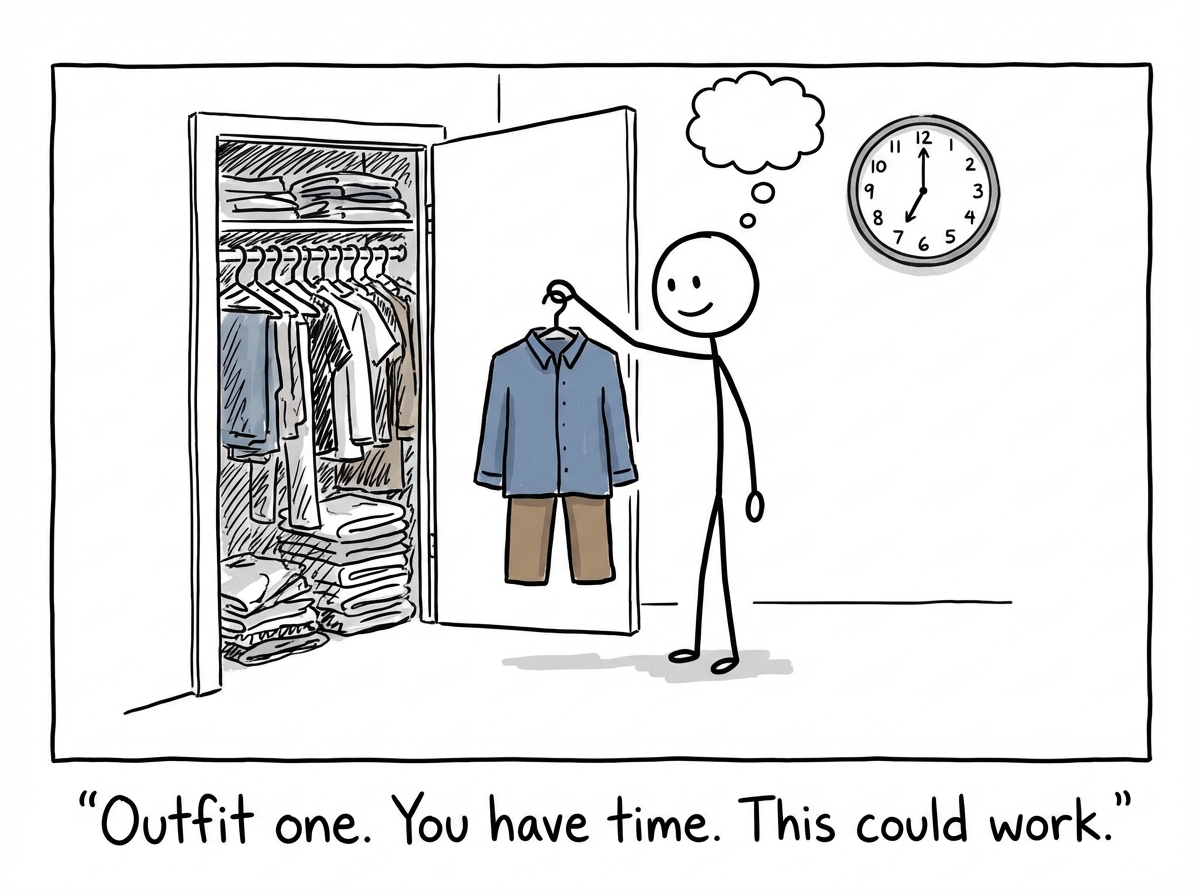
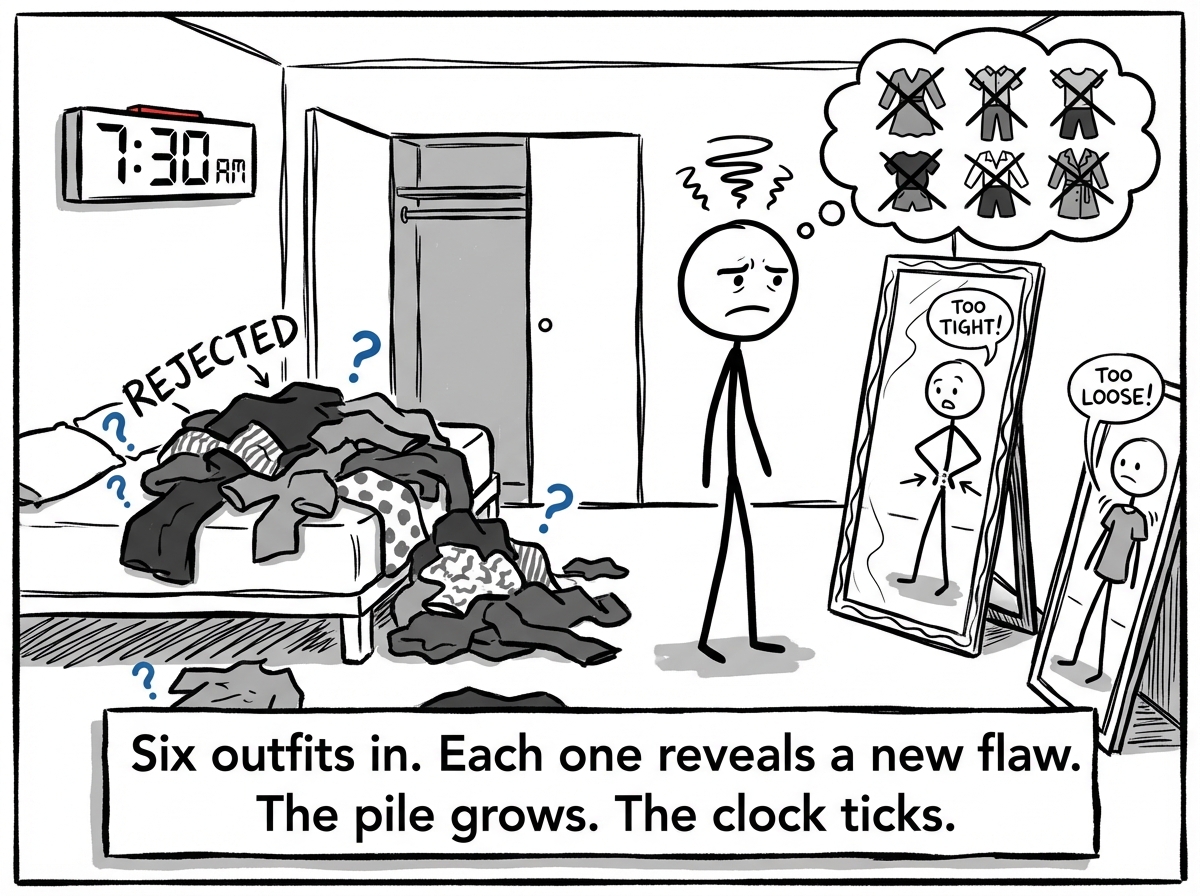
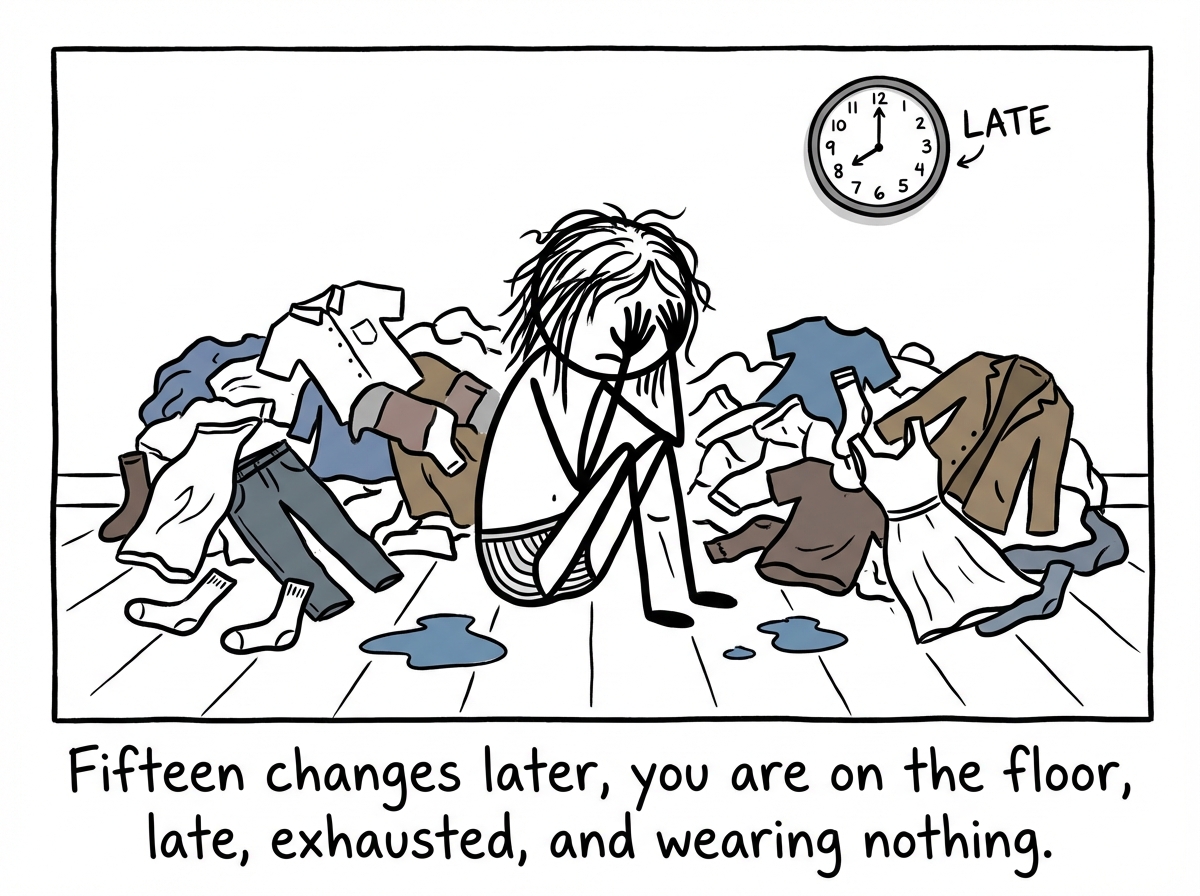
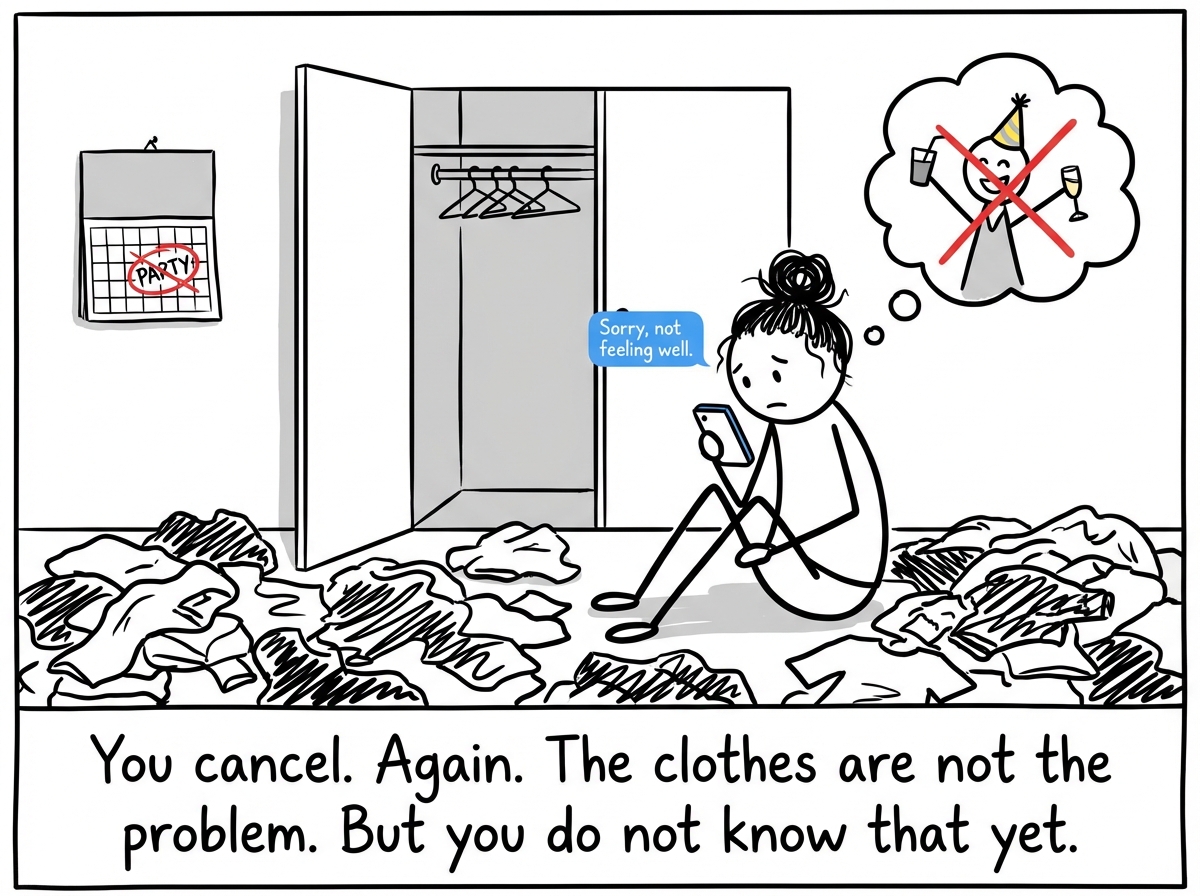
A person tries on fifteen outfits before leaving the house, hating every single one -- not because nothing fits, but because their perception of themselves makes everything look wrong.
Explanation
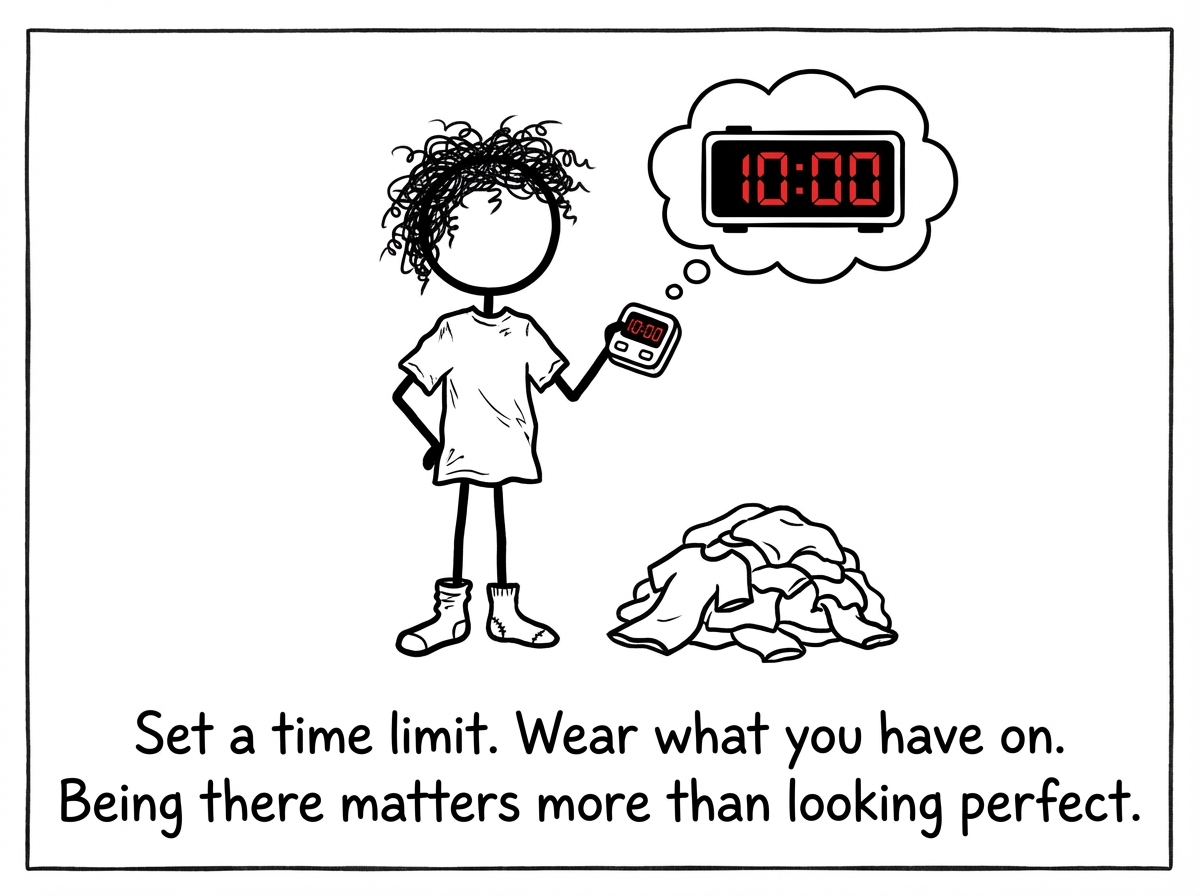
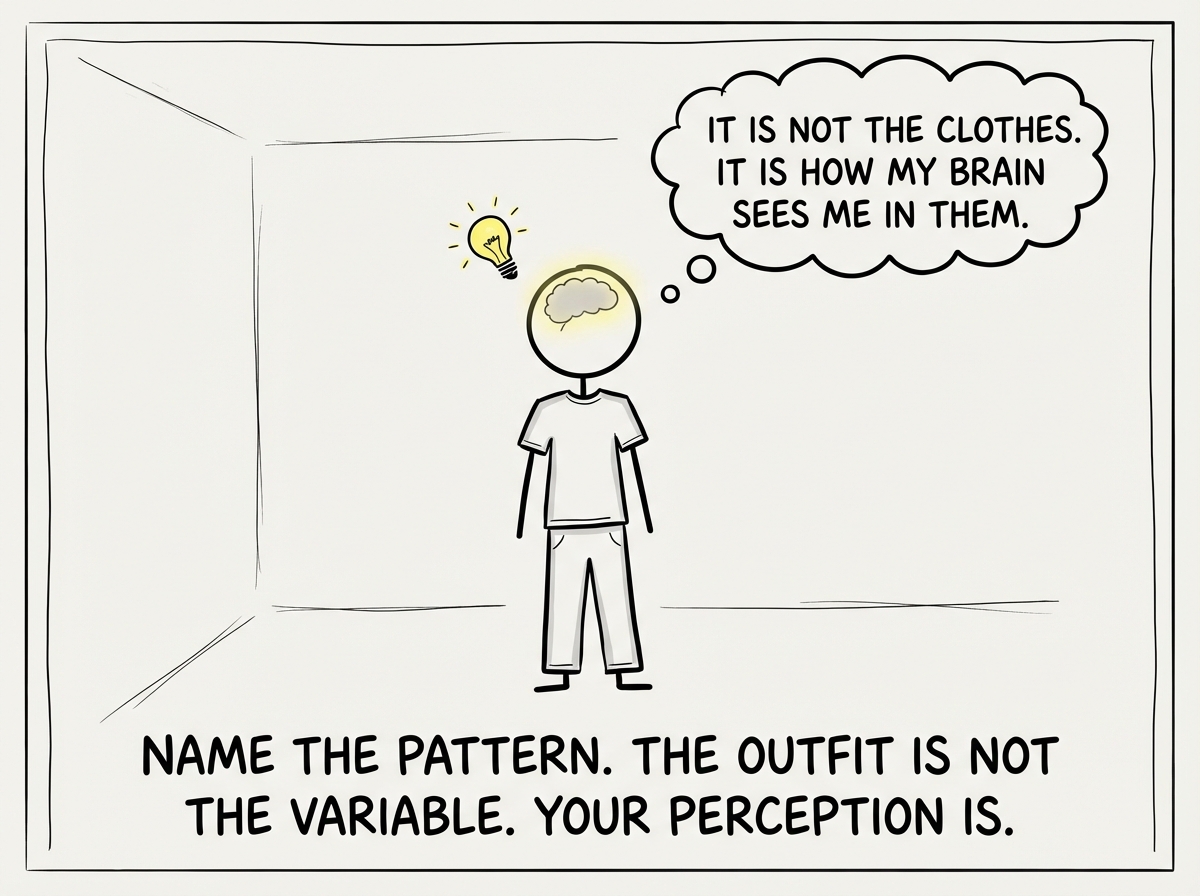
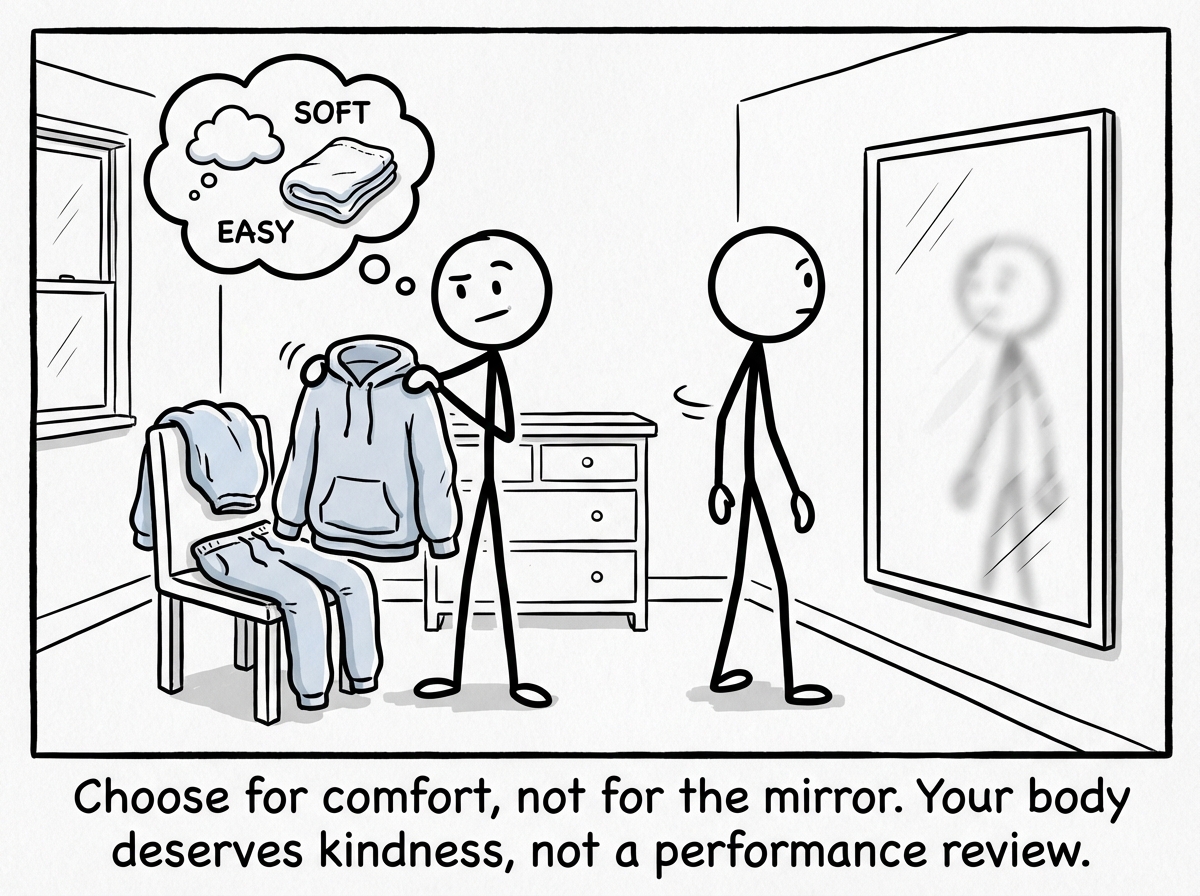
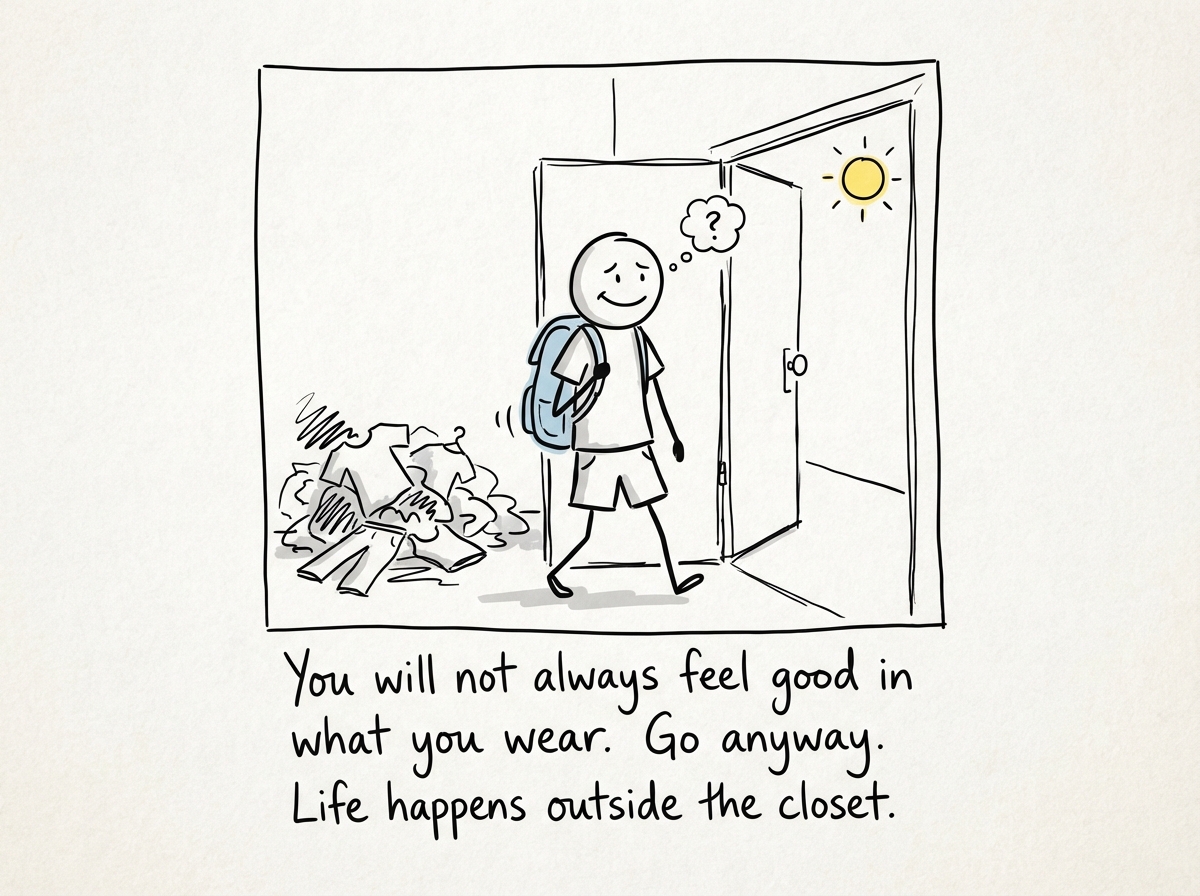
You have been standing in front of the closet for forty-five minutes. Outfit one looked wrong. Outfit two was worse. By outfit seven you were spiraling. By outfit twelve you were in tears. The floor is covered in rejected clothes and you are now running late for something you no longer want to attend, because how can you go anywhere looking like this? This ritual -- the outfit change marathon -- is one of the most recognizable behavioral symptoms of body dysmorphia, though many people who experience it do not realize that is what it is. They assume the problem is their wardrobe, their body, or their taste. They buy new clothes hoping the next purchase will be the one that finally looks right. It never does, because the problem is not the fabric. It is the filter through which the fabric is being evaluated. In body dysmorphic disorder, the brain applies disproportionate scrutiny to appearance. Neuroimaging research shows that BDD involves overactivation in detail-oriented visual processing regions. When you look at yourself in outfit after outfit, your brain is not doing a normal evaluation. It is zooming in, magnifying, comparing each angle to an impossible standard, and declaring every version insufficient. The emotional cost is enormous. The outfit change marathon steals time, energy, social connection, and self-worth. It turns getting dressed -- something most people do on autopilot -- into a daily battle. And the battle is rigged, because no outfit can fix a perception that is broken at the source. The path forward involves treating the perception, not the wardrobe.
Key Takeaway
Fifteen outfit changes is not indecision about clothes. It is a brain that cannot stop evaluating and a perception that refuses to approve.